
 TürkiyeVisas
Türkiye's New Investor Visa: $150,000 for a Three-Year Residence Permit
Türkiye has enacted a foreign investor visa offering a three-year residence permit for a $150,000 investment, or five years for $200,000. Spouses and dependents are covered, but no application date has been announced.
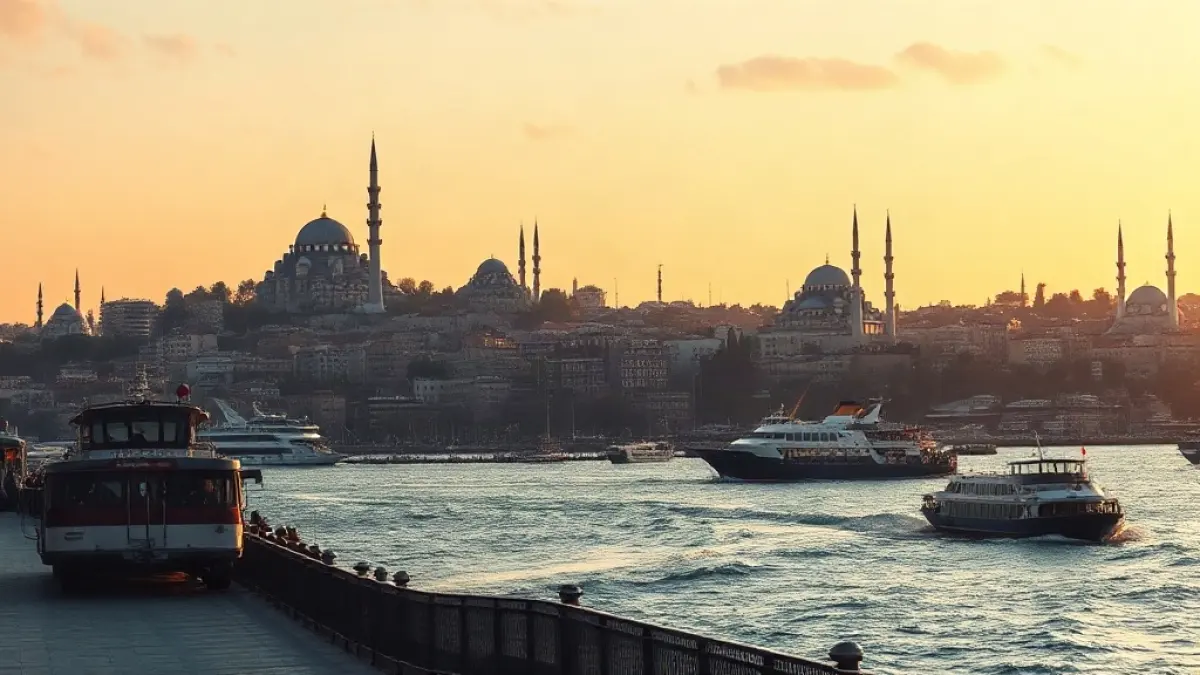
President Recep Tayyip Erdoğan signed a decision on 17 November 2026 to enact a new foreign investor visa in Türkiye. The scheme grants residence permits to people who invest in the country, with a minimum outlay of $150,000 — one of the lower price points among comparable relocation programmes.
Key facts
- $150,000 investment buys a three-year residence permit
- $200,000 investment buys a five-year residence permit
- Both permits can extend to the applicant's spouse and dependents
- Investments must be held for at least half the visa term
- The permit does not lead to citizenship
- No application date or process has been announced
What are the investment options?
Applicants can place their funds in a local bank, buy government debt instruments, contribute to a pension plan, or invest in real estate or venture capital funds. Whichever route is chosen, the investment must be held for at least half the length of the visa — 1.5 years for the three-year permit and 2.5 years for the five-year permit.
That minimum holding period means the money could potentially be withdrawn after as little as 18 months on the three-year route, according to IMI Daily, an investment migration trade publication.
Who is covered?
The residence permit can extend to the applicant's spouse and dependents, so a single investment can cover a family. The signed decision does not name any excluded nationalities or set out eligibility criteria beyond the investment itself.
How do I apply?
The president's announcement does not detail when or how foreigners can begin applying, nor which documents will be required. Türkiye's Investment and Finance Office notes that applications for the country's other residence-by-investment permits require items such as proof of financial means and health insurance, but the new scheme's own paperwork has not been published.
Does it lead to citizenship?
No. The new golden visa grants residence only. Türkiye's citizenship-by-investment route remains separate and costs considerably more: buying a home worth at least $400,000, investing at least $500,000 in sectors such as government bonds or venture capital funds, or creating at least 50 jobs.
What are the alternatives?
Türkiye offers other renewable residence routes that do not require a large investment. A two-year Short-Term Residence Permit is available for reasons including tourism and university-sponsored research, while those married to a Turkish citizen can apply for a three-year Family Residence Permit. After eight years of continuous residence, a person can apply for the indefinite Long-Term Residence Permit, which carries almost the same rights as citizenship apart from civic duties such as voting and mandatory military service.
How does it compare?
For travellers weighing other destinations, New Zealand offers a three-year work-to-residency track for an investment of NZ$1 million (about $567,300), and Greece grants a five-year permit for a €250,000 (about $291,120) investment in a startup. Paraguay has a permanent residency programme requiring $150,000 in "tourism projects" or $200,000 in stocks or real estate.
What this means for travellers
Anyone considering the new route should note that the application process, required documents and opening date have not yet been published, so there is nothing to submit at this stage. The key decision to weigh is the choice between the $150,000 three-year permit and the $200,000 five-year permit, keeping in mind the minimum holding period attached to each.
No timetable for the first applications has been announced. Further details on how and when to apply are expected to follow the presidential decision.
Also about:  New Zealand
 Greece
 Paraguay