
 Saint Kitts and NevisPassports
Second Passports in 2026: St Kitts and Nevis Fast-Track Route and Timelines
Citizenship-by-investment programmes advertise timelines from about one to two months, and St Kitts and Nevis offers paid expedited review. Enhanced due diligence, source-of-funds checks and document preparation can add weeks to any advertised figure.
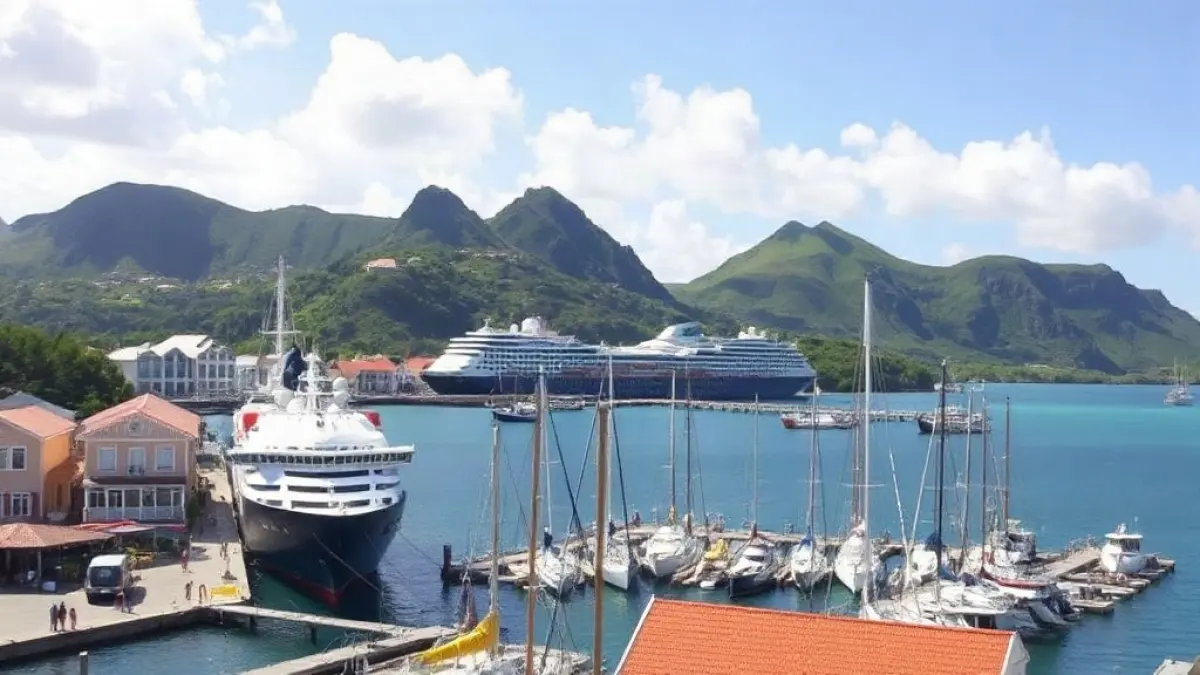
Applicants weighing a second citizenship in 2026 face shorter advertised processing windows than ever in some jurisdictions, but stricter vetting behind them. A review of citizenship-by-investment (CBI) programmes names Vanuatu and streamlined Caribbean options — including expedited routes in St Kitts and Nevis — as the quickest, with some cases reportedly completed in under 60 days.
The same review warns that a headline timeline usually covers only one stage of a longer process. Document preparation, compliance checks and passport delivery sit outside most advertised figures.
Key facts
- Vanuatu: development-support style citizenship, processing frequently reported to finish in roughly 1 to 2 months when due diligence goes smoothly.
- St Kitts and Nevis: one of the longest-established CBI programmes, with paid expedited review options that can compress a standard multi-month window.
- Antigua and Barbuda: typically 3 to 6 months, depending on due-diligence complexity.
- Dominica and Grenada: typically several months.
- All figures are described as indicative and conditional on due-diligence outcomes and programme reforms.
What does St Kitts and Nevis offer?
St Kitts and Nevis runs one of the longest-established citizenship-by-investment programmes. Its Citizenship by Investment Unit (CIU) publishes the legal framework, authorised-agent requirements and fee structures, and qualifying routes include a government fund contribution or an approved real-estate investment.
Applicants willing to pay a premium can request expedited review, which the review says can bring some cases well below the usual multi-month window. No specific day count is published for the expedited tier. Eligibility requires a clean criminal record, verifiable source of funds and compliant documentation, and costs comprise the contribution or investment plus government and due-diligence fees and professional fees.
Which routes are fastest overall?
Vanuatu is the route most often cited for short timelines, with processing frequently reported at one to two months subject to clearance. Antigua and Barbuda generally takes three to six months and is described as offering competitive family pricing. Dominica and Grenada are usually measured in several months, with Dominica's expectations affected by coordinated regional improvements to due diligence.
Turkey's investment route is typically measured in several months and is valued for its larger economy rather than speed. Emerging programmes in São Tomé and Príncipe advertise competitive timelines, but the review advises examining their statutory basis carefully. A few countries allow discretionary fast-track naturalisation for exceptional contribution; those cases are described as specific and unpredictable.
How long does the process really take?
Advertised processing times commonly measure the government review alone. The full chain runs from application processing, to registration and issuance of the certificate, to printing and delivery of the passport booklet, which can add days or weeks depending on courier logistics and the applicant's location.
For the fastest programmes, the review sets these typical allowances: 2 to 6 weeks for document preparation, a few days for submission and fee processing, 2 to 8 weeks for due diligence, days to a week for the grant of citizenship after clearance, and 1 to 3 weeks for passport printing and delivery.
Most delays arise from applicant-side work and compliance checks: enhanced background checks against international databases, proof of the lawful origin of invested capital, and police certificates from every country of previous residence.
What documents and costs should applicants expect?
Programmes generally require valid passports and identity cards for the main applicant and every dependant, police clearances from every country of residence over a defined look-back period, full source-of-funds and source-of-wealth evidence, and supporting records such as birth and marriage certificates, medical certificates where required, and professional or bank references.
Most jurisdictions require a licensed or authorised agent to lodge the file with the relevant unit rather than the applicant directly. Government processing and due-diligence fees are typically due on submission, while the qualifying investment or donation is usually paid after approval in principle. Hidden costs flagged include per-applicant due-diligence fees, dependant surcharges, professional fees and passport delivery charges. Most CBI jurisdictions impose no physical residency requirement.
What this means for travellers
Treat every advertised timeline as a best-case scenario conditional on due diligence. Applicants should gather police clearances and source-of-funds evidence early, since these are the slowest steps, and confirm current rules, fees and timelines directly with the relevant national CIU before acting. The review notes that some rapidly issued passports have had their travel access reviewed by third countries, so quick issuance does not guarantee lasting mobility.
No new rule changes or effective dates are announced in the review; the figures it gives are current programme expectations for 2026 and remain subject to reform.
Also about:  Vanuatu
 Antigua and Barbuda
 Dominica
 Grenada
 Türkiye