
 TürkiyeVisas
Longer, Multiple-Entry Schengen Visas on Table for Turkish Travellers in New Review
Schengen diplomatic missions in Türkiye have set up a working group to review visa procedures and clear bottlenecks for Turkish applicants. Türkiye also wants wider use of the cascade regime that grants longer multiple-entry visas.
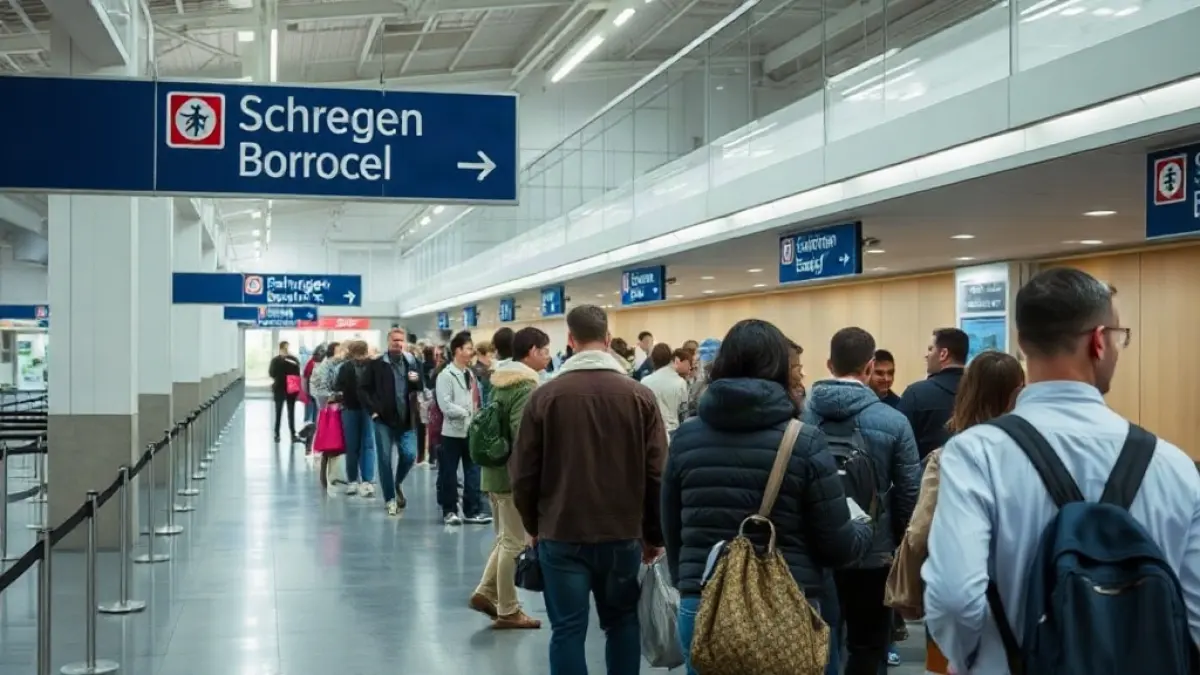
Schengen diplomatic missions in Türkiye and the EU Delegation have created a dedicated working group to review Schengen visa procedures and tackle the bottlenecks Turkish applicants face. The move came after a meeting of the Local Schengen Cooperation (LSC) group in Ankara on 18 November 2026, which for the first time also included officials from the Turkish Foreign Ministry and the European Commission, diplomatic sources told Turkish state broadcaster TRT.
Key facts
- Working group set up by Schengen missions in Türkiye and the EU Delegation to review visa procedures
- Followed the LSC meeting in Ankara on 18 November 2026
- Targeted problems: appointment availability, processing times, documentation demands
- Cascade regime in place since July 2025: possible one-year, three-year and five-year multiple-entry visas
- Short stays remain limited to 90 days in any 180-day period
- In 2025, Schengen consulates issued more than 1 million visas in Türkiye; refusal rate 14.6 percent
What is being reviewed?
The Turkish side raised several problems in the application process: difficulties securing appointments, lengthy processing times, excessive documentation requirements and the need to simplify procedures for applicants who already hold previous Schengen visas. Türkiye also asked for a wider rollout of the EU's graduated visa system, known as the cascade regime, under which eligible Turkish citizens with a record of lawful travel can obtain progressively longer multiple-entry visas.
The Turkish Foreign Ministry highlighted the continuing struggle to book visa appointments, noting that these backlogs have allowed unauthorized intermediaries to charge applicants for securing slots.
Who is affected?
Turkish citizens applying for Schengen visas are the main group behind the review. Türkiye said the arrangement introduced by the EU in July 2025 — which lets eligible applicants progress from shorter visas to one-year, three-year and eventually five-year multiple-entry visas — excludes professional truck drivers.
Ankara also pressed for uninterrupted access to the Schengen area for Turkish truck drivers, warning that restrictions on their length of stay are disrupting road transport and trade with the EU. Under the current short-stay framework, travellers are generally limited to 90 days within any 180-day period, which the Turkish side said creates particular problems for drivers who regularly cross European borders for work.
Problems affecting Turkish students admitted to European universities have declined considerably compared with the previous two years, following diplomatic initiatives by Ankara. The Foreign Ministry received only a limited number of individual complaints about student visa applications in 2026, and officials said work to resolve the remaining cases continues.
How big is demand for Schengen visas?
European Commission figures show Türkiye is the bloc's second-largest source of Schengen visa applications after China. Schengen consulates issued more than 1 million visas to applicants in Türkiye in 2025, with a refusal rate of 14.6 percent.
What this means for travellers
No procedural change has taken effect yet: the working group has been set up to review procedures, and the source gives no timeline for decisions. Turkish travellers applying for Schengen visas should continue to follow the current process, including the 90 days in any 180-day period short-stay limit.
Travellers with a history of lawful Schengen travel can ask whether they qualify for the cascade regime for longer multiple-entry visas. Türkiye said completing the EU-Türkiye Visa Liberalization Dialogue and securing visa-free travel for Turkish citizens remain its primary objectives, while easing the application process continues in the meantime.