
 South KoreaVisas
South Korea's digital nomad visa now in force, with a 104 million won income bar
South Korea's digital nomad, or "workation", visa formally took effect at the end of June, following a pilot programme. It sets an annual income threshold of 104 million won (US$78,000).
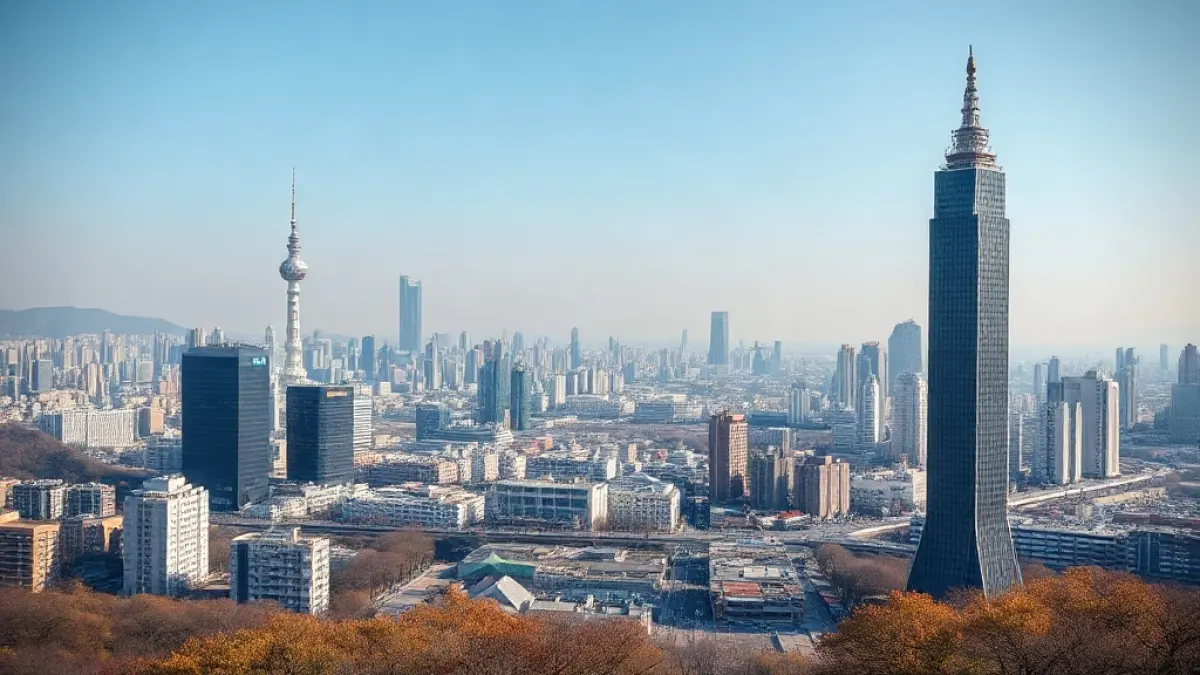
South Korea's digital nomad visa, also called a "workation" visa, formally took effect at the end of June after running first as a pilot programme. The scheme lets remote workers live in South Korea while working for employers or clients abroad, and it sets a high minimum income that not every nomad will meet.
Key facts
- South Korea's digital nomad, or "workation", visa formally took effect at the end of June; the source does not state the exact date or year.
- It was already available under a pilot programme before the formal start — one applicant received hers in April.
- The annual income threshold is 104 million won (US$78,000), described as relatively high compared with other countries' schemes.
- Visa holders can live in South Korea while working for employers or clients elsewhere.
- The source does not give the length of stay, visa fee, application procedure or eligible nationalities.
What is the visa for?
Governments across Asia have launched digital nomad visas that allow foreigners to live in a country while working for employers or clients in other countries. South Korea's version is known as the "workation" visa, and it formally came into force at the end of June.
Alina Radulescu, an IT consultant from Romania who works for a US technology company, received her visa in April under the pilot programme and now lives in a co-living space in Seoul.
How much do you need to earn?
The visa sets an annual income threshold of 104 million won (US$78,000). By comparison, Nomads.com, an online community for remote workers, estimates that nearly half of all digital nomads earn US$100,000 or more a year — so a substantial share of nomads can clear the bar, while many others cannot.
How does South Korea compare with other Asian destinations?
Of the 11 cities with the most consistent growth in digital nomad numbers over the past five years, 10 are in Asia, according to Nomads.com; the exception is Asuncion in Paraguay. Thailand received more than 35,000 applications for its digital nomad visa in 2024-25, though it has since tightened application rules. Portugal introduced its digital nomad visa in 2022.
Kim Eje, a geography professor at Gyeongin National University of Education, said South Korea was fast catching up with destinations such as Thailand, and urged the country to learn from tensions between nomads and locals elsewhere so as to protect residential space for local communities.
What this means for travellers
Remote workers considering South Korea should first check whether their annual income meets the 104 million won (US$78,000) threshold set by the visa. The source gives no further application requirements, visa duration, fee or processing details, so those would need to be confirmed before making plans.
No start date has been announced for any change to the visa rules. Kim said South Korea and its neighbours should prepare now, while they are still in the welcoming stage of new foreign visitors.
Also about:  Thailand
 Portugal
 Japan
 Indonesia
 France
 Romania