
 United StatesVisas
US E-2 visas for South Korean investors fell to 5,359 in FY2025
U.S. issuances of the E-2 treaty investor visa fell 7.7% to 51,047 in fiscal 2025, the first drop since 2020. South Korean nationals saw a 21% fall to 5,359, while Taiwan fell 27% to 2,137.
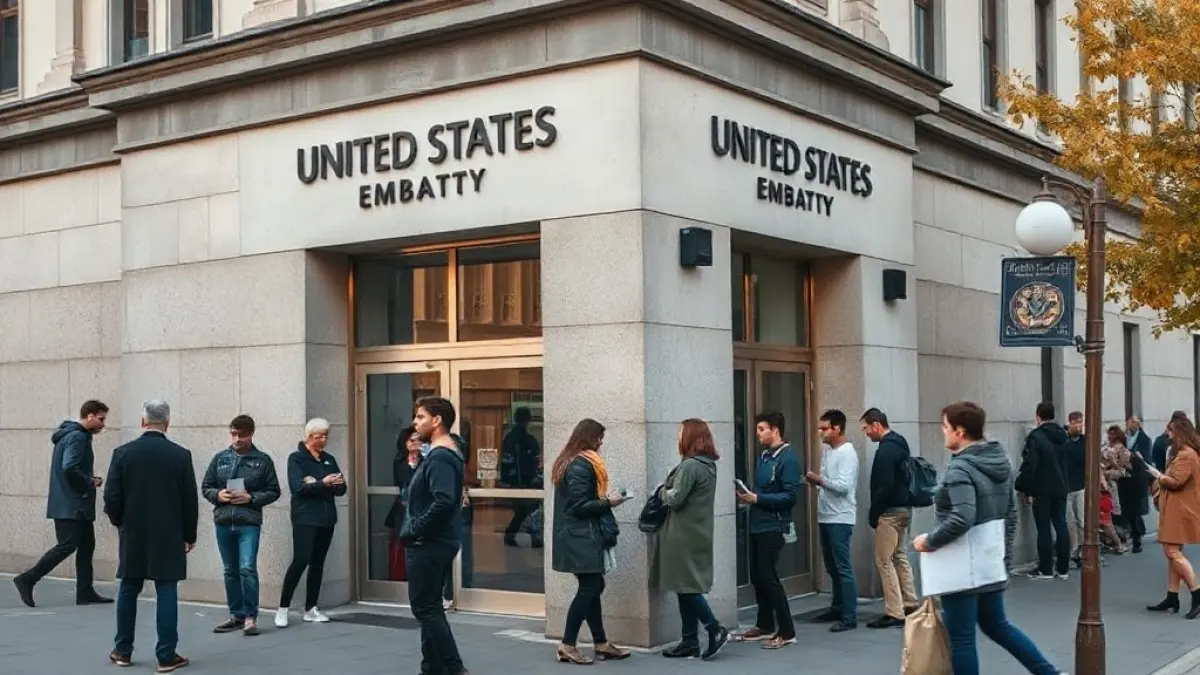
The United States issued 51,047 E-2 treaty investor visas in fiscal 2025, 7.7% fewer than a year earlier and the first annual decline since 2020, according to a tally of U.S. State Department monthly reports. South Korean nationals made up a large share of the drop, and together with Taiwan accounted for 51% of the global fall.
The E-2 visa allows nationals of treaty countries to enter the United States to run or work for a business they have invested in. Fiscal 2025 covers October 2024 to September 2025.
Key facts
- 51,047 E-2 visas issued in fiscal 2025, down 7.7% and the first drop since 2020
- South Korea: 5,359 visas, down 21%; Taiwan: 2,137, down 27%
- Canada became the second-largest E-2 nationality with 6,779 visas; Japan led with 15,367
- Early fiscal 2026 data shows a small recovery: 20,480 visas from October 2025 to February 2026
- Fiscal 2025 figures are preliminary, and final tables had not been published as of 19 November 2026
How far did South Korean numbers fall?
Issuances to South Korean nationals dropped 21% to 5,359 in fiscal 2025. Consulates issued 4,277 fewer E-2 visas worldwide than in fiscal 2024, and South Korean and Taiwanese applicants received 2,203 fewer between them.
South Korea had been one of the main drivers of growth before the drop: Korean issuance rose from 2,554 in fiscal 2019 to 6,778 in fiscal 2024. Canada has now passed South Korea for second place among E-2 nationalities.
Why are issuances falling?
The Government Accountability Office found that the State Department lost a third of its nonimmigrant visa officers in fiscal 2025. Hiring freezes and attrition cut the number of consular officers handling nonimmigrant visas by 438, from 1,342 to 904. Average interview waits for visitor visas reached 201 days that year, against 26 days in fiscal 2019.
George Ganey, founding partner of the U.S. immigration firm Ganey Law Group, said "consular appointment availability can have a significant impact on issuance numbers." His firm saw no consistent increase in scrutiny of E-2 cases, but found that appointment availability and processing speed vary widely between consulates. At the U.S. embassy in Madrid, files are sorted into categories for new companies, owner renewals and companies with a recent approval, with renewals and established cases moving faster.
Which other nationalities moved?
Canada issued 6,779 E-2 visas, almost unchanged from 6,747 in fiscal 2024, while Japan remained first with 15,367, or 30.1% of the total. British nationals received 2,140 visas, down 21.3%, leaving Britain three visas ahead of Taiwan. German issuance fell 16.2% and Italian issuance 18.9%. France added 232 visas to reach 3,806, and Mexican nationals gained 225 for a total of 1,739.
What do the refusal figures and early 2026 data show?
Application and refusal counts for fiscal 2025 have not yet been published. In fiscal 2024, E-2 applications reached 61,432, up 1.7% on fiscal 2023, while 6,108 applications were refused, 8.8% more than a year earlier. The refusal share rose from 9.3% to 9.9%, though applicants can overcome a refusal after the fiscal year closes, so year-end figures miss later approvals.
Early fiscal 2026 figures point to a small recovery. Consulates issued 20,480 E-2 visas from October 2025 to February 2026, 2.6% more than in the same months a year earlier, though 3.8% below the 21,300 issued in the same period of fiscal 2024. February 2026 brought 4,393 visas against 3,697 in February 2025, with South Koreans receiving 676, up from 396.
What this means for travellers
South Korean applicants planning a U.S. business or investment route should factor consular appointment availability into their timing, since interview waits varied widely between posts in fiscal 2025. Applicants already in the United States may be able to change status through U.S. Citizenship and Immigration Services, and those approvals are not counted in State Department visa totals.
Investors make up only part of each year's E-2 total; employees and family members are also included. Under U.S. Citizenship and Immigration Services rules, employees must share the investor's treaty nationality, while spouses and children do not have to.
Figures remain preliminary
The fiscal 2025 total is based on the 12 monthly reports published by the State Department for October 2024 to September 2025; the department warns that monthly reports are not an accurate basis for fiscal-year totals. Applying the same method to fiscal 2024 produced 55,385 visas, 61 above the finalised total. Finalised fiscal 2025 nationality tables had not appeared as of 19 November 2026.
Also about:  South Korea
 Taiwan
 Canada
 Japan
 United Kingdom
 Germany
 Italy