
 South KoreaVisas
Seoul class trains marriage visa holders for South Korea citizenship interviews
Seven marriage immigrants from China and Vietnam are taking a course at a Seoul family centre to prepare for South Korean naturalisation interviews. The seven-session programme ends with a mock interview.
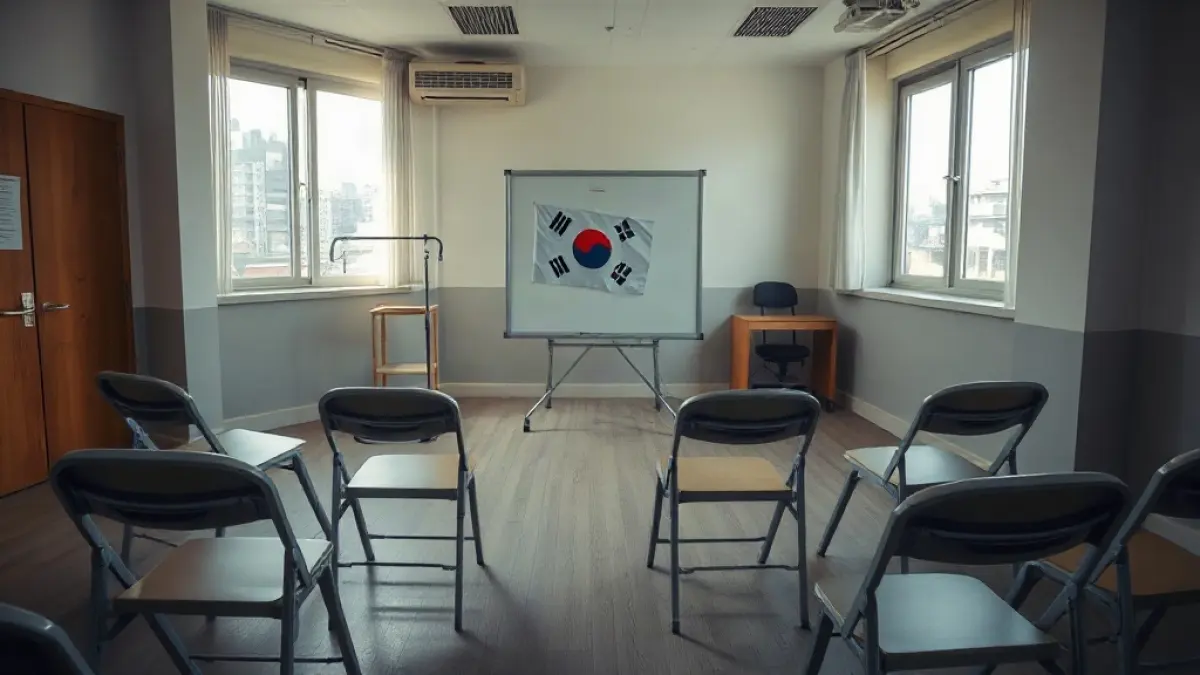
Seven marriage immigrants from China and Vietnam are attending a preparation course at the Guro-gu Family Center in Seoul as they get ready for South Korean naturalisation interviews. All seven hold marriage visas and are seeking citizenship in the country where they have settled.
The first class on Tuesday was a two-hour session led by social worker Ock He-won, who walked participants through the naturalisation process and what to expect in the interview.
Key facts
- Who: Seven marriage immigrants from China and Vietnam holding marriage visas
- Where: Guro-gu Family Center, Seoul
- Format: Seven sessions in total, ending with a mock interview
- Topics covered: Application process, Korean politics, economics and history, national symbols, anthem etiquette and self-introductions
- Interview aim: South Korean citizenship through naturalisation
Why do participants want citizenship?
Wang Yue, a 38-year-old Chinese national who married a Korean man in 2019 and has a son, said the main draw was ending the cost and hassle of renewing her visa every three years. She also wanted the security of knowing she could keep living in the country regardless of whether her marriage continued.
Another participant, Zou Chunyang, a 42-year-old Chinese national, is preparing for a fourth attempt at the interview. She sat it twice after studying alone and a third time after preparing with the centre's help, but was unsuccessful on each occasion. She said questions on Korean history had been the hardest part.
What does the course cover?
The opening lesson moved from the application procedure to the kinds of material that may come up in an interview. Participants reviewed Korean banknotes and the four trigrams on the national flag — "geon," "gon," "gam" and "ri" — as well as the mugunghwa, or rose of Sharon, and the etiquette of facing the flag during the national anthem.
They also practised self-introductions, starting with the greeting "annyeonghaseyo." Ock coached them on tone, eye contact and keeping answers brief, and advised each applicant to explain why they want to live in Korea — a point most had left out. The session closed with each participant singing "Aegukga," the national anthem, and getting feedback on rhythm and pitch.
What happens next?
Six more sessions will follow Tuesday's class, covering Korean politics, economics and history, among other subjects that could arise in the interview. The seventh and final session will be a mock interview so participants can see what they still need to work on before facing the real thing.
Zou is due to sit her fourth interview soon. The source does not give details of South Korea's naturalisation requirements, fees or processing times.
 China
 Vietnam