
 South KoreaVisas
Planning to study and work in Korea? Visa rules leave most grads without jobs
Only 34.3 percent of international students who graduated from Korean universities between 2019 and 2025 and stayed in the country found jobs, Justice Ministry data show. Student visa work limits and post-graduation rules remain the main obstacles.
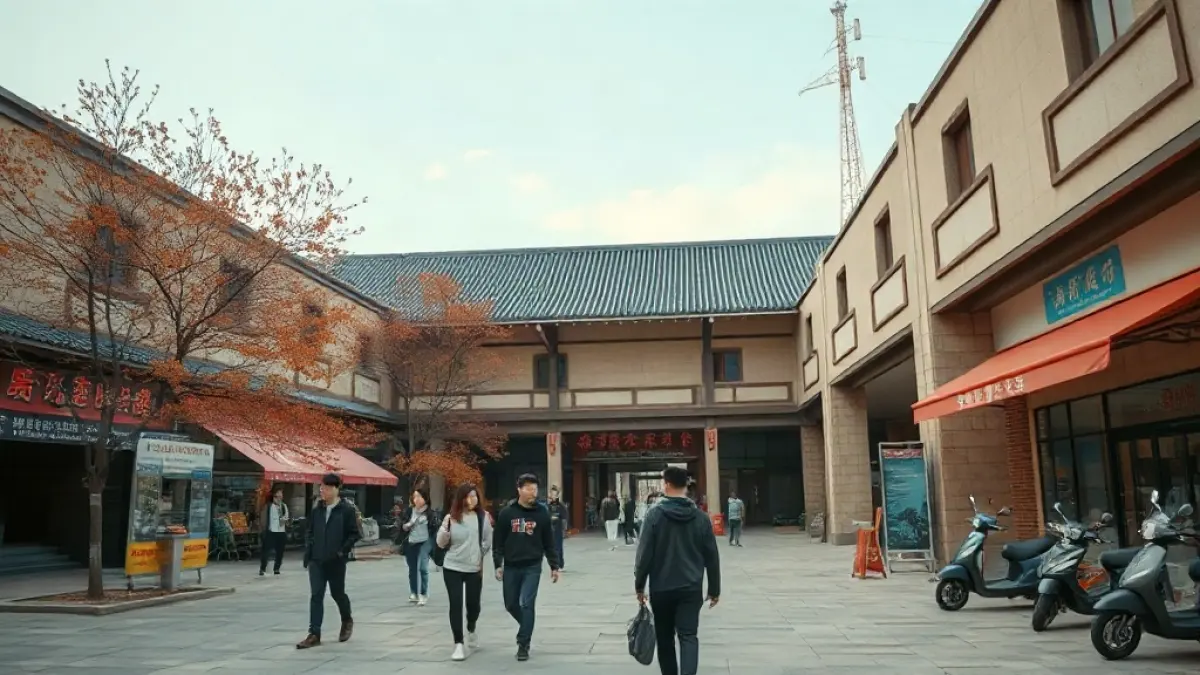
International students are an increasingly important part of the workforce in South Korea's shrinking regions, yet only 34.3 percent of those who graduated from Korean universities between 2019 and 2025 and stayed in the country found jobs, according to Ministry of Justice data. Visa rules that restrict what students may do while studying, and the difficulty of switching status after graduation, sit at the centre of the problem.
Key facts
- 34.3 percent of the 150,000 international graduates who stayed in Korea between 2019 and 2025 found jobs, against a 69.5 percent employment rate for Korean university graduates in 2024.
- 367,000 international students were in Korea as of September, with about 30,000 more graduates looking for work.
- 117,000 international students entered Korea in 2025, up 75 percent from 2019.
- Delivery work is prohibited for holders of D-2 and D-4 student visas.
- The Korea Immigration Service announced visa reform measures in October tied to regional development and industry needs.
How many international students are in Korea?
Ministry of Justice figures put the number of international students at 367,000 as of September. Including roughly 30,000 graduates seeking jobs, the total approaches 400,000. In 2025 alone, 117,000 international students entered the country, 75 percent more than in 2019.
The wider migrant-background population reached 2.81 million in 2025, or 5.4 percent of the country's 51.82 million people, according to the Ministry of Data and Statistics. Among people in their 20s, about 607,000 had migrant backgrounds — roughly one in 10 nationwide — after a rise of 36,000 in a year, the largest increase of any age group.
What work can student visa holders do?
International students may work part-time with permission from the Ministry of Justice. In Gangwon, around 34 percent of international students do so, often in restaurants and lodging businesses, according to the Migration Research and Training Centre.
Delivery riding is off limits for D-2 and D-4 student visa holders. Under current law, that work requires an F-2 long-term residency visa, an F-5 permanent residency visa or an F-6 marriage migrant visa. Choi Seo-ri, a principal research fellow at the Migration Research and Training Centre, said many students want to work beyond permitted hours because of housing and living costs, while some avoid reporting income to keep the 3.3 percent income tax from being withheld.
What happens after graduation?
Employment is the weak point. Of the 150,000 international students who graduated from Korean universities between 2019 and 2025 and remained in the country, only 34.3 percent found jobs — about half the 69.5 percent rate for Korean university graduates in 2024.
Staying is clearly the preference for many: around 70 percent of international students who had worked part-time said they wanted to remain in Korea after graduating, in a survey by local news outlet etoday in August. Those who do find work tend to settle near their university — more than half of employed international students in every region except Gangwon, where the figure was 48 percent, found jobs in the same area as their institution, Ministry of Justice data show.
One 23-year-old student from Uzbekistan, who came to Korea at age 8 on her father's business visa, must now obtain a separate visa through university enrolment or employment. She said she wants to work in South Gyeongsang, where her family lives, but finds few suitable jobs outside the Seoul metropolitan area.
What is the government doing?
The Korea Immigration Service announced visa reform measures in October aimed at attracting international students and helping them settle in Korea based on regional development and industry needs. The announcement did not include specific visa categories, eligibility rules or a start date.
What this means for travellers
Students planning to study in Korea on a D-2 or D-4 visa should note that delivery work is not permitted for them, and that part-time work requires Ministry of Justice permission. Anyone hoping to stay after graduating needs to secure a qualifying visa or job, and should check which visa fits their plans before taking work.
Lee Jong-kwan, professor of economics at Yonsei University and head of the school's Migration Research Hub, said "some jobs may put Korean young people and international students in direct competition," but argued the aim should be a cycle in which students fill regional shortages and help local economies grow.
No further details of the October visa reform measures have been announced.
Also about:  Uzbekistan