
 PhilippinesTravel
Travellers to Manila now pay £1,350 for December 2026 London returns
Flights between Europe and the Philippines cost about 60% more than a few years ago, with a London–Manila return for December 2026 at around £1,350 versus roughly £850 in 2019. Longer routings, higher Manila airport fees and grounded aircraft are behind the rise.
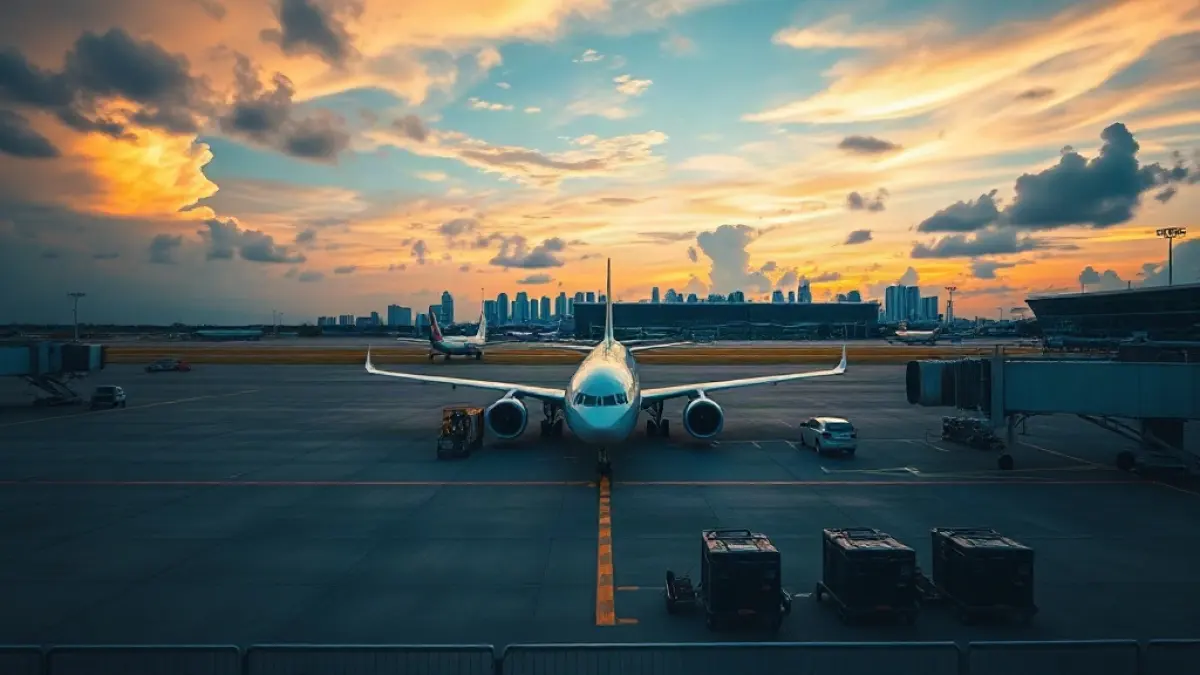
Travellers flying between Europe and the Philippines are paying far more than they did a few years ago. Fares on the route are about 60% higher, and a London–Manila return ticket for this December costs around £1,350, compared with roughly £850 for the same trip in 2019.
Four factors are driving the increase: longer flight paths, higher charges at Manila's main airport, aircraft grounded by engine problems and heavy Christmas demand.
Key facts
- Europe–Philippines fares are about 60% above levels of a few years ago.
- A London–Manila return for December 2026 costs around £1,350; the same trip in 2019 cost about £850.
- Avoiding Russian and Ukrainian airspace adds up to 3.5 extra hours to the journey.
- Manila airport landing charges and passenger taxes are rising to help fund a $3 billion upgrade.
- Engine problems are not expected to be fully resolved until late 2026.
- February and March are described as the quieter, cheaper months to travel.
Why are Europe–Philippines flights so expensive?
Planes can no longer fly over Russia or Ukraine, which adds up to 3.5 hours to Europe–Asia journeys. Airlines burn more fuel and need extra crew on these longer routings, and those costs are passed on to ticket prices.
Manila's main airport has been privatized, and the new operators are raising fees sharply to fund a $3 billion upgrade. Landing charges and passenger taxes are jumping significantly in 2025, and airlines pass those costs to passengers.
At the same time, engine problems have grounded many aircraft in the Philippines. Cebu Pacific has had to park a chunk of its fleet because of a manufacturing defect, so fewer seats are on sale and prices rise across the market.
Christmas adds peak-season pressure. Millions of Filipino workers living abroad fly home regardless of cost, and airlines price tickets accordingly — whether travellers book Philippine Airlines, Emirates or Qatar Airways.
When could fares come down?
Bargains are not expected soon. The airport fees are described as permanent, and the engine issues will not be fully resolved until late 2026. The practical advice for this route is to book early or travel in the quieter months of February or March.
Nonstop Europe–Philippines flights take 13–15 hours and cost 20–40% more than connecting itineraries, so travellers weighing the direct premium should compare both options.
What do European travellers need to enter?
Most European passport holders, including EU, UK and Swiss citizens, receive a 30-day visa-free entry stamp on arrival. They need a passport valid for at least six months beyond the stay and a confirmed outbound ticket leaving the Philippines within that 30-day window.
For longer trips, travellers can apply for a 59-day tourist visa at a Philippine embassy in Europe before departure, or extend their stay for a fee of approximately €50 at a Bureau of Immigration office in major Philippine cities.
Airlines in Europe deny boarding to passengers who cannot show proof of an onward or return ticket from the Philippines within 30 days for visa-free entry. This rule is enforced more strictly here than almost anywhere else in Southeast Asia.
What should travellers expect on arrival?
Manila (MNL) has four terminals separated by public city roads rather than airside trains. Connecting from an international flight to a domestic one often means exiting immigration, collecting bags and taking a taxi through heavy traffic, and the official airport shuttle is described as unreliable and infrequent. A minimum of four hours is advised for terminal transfers.
Terminal assignments have been reshuffled under the airport's new private management, with Philippine Airlines consolidating mainly in Terminals 1 and 2 and several foreign carriers shifting. Travellers should confirm their terminal 24 hours before departure via the Manila International Airport Authority (MIAA) website or their airline's app.
An alternative gateway is Mactan-Cebu International Airport (CEB), served directly by carriers including Emirates, Qatar Airways and Cathay Pacific. Immigration processing there averages 15–20 minutes, against 45–90 minutes at Manila.
Tourist SIM cards (Globe or Smart) bought at the airport are deactivated unless registered immediately by uploading a passport and return ticket through the carrier's portal. Tourist SIMs are valid for 30 days; longer trips require an extension at a carrier store.
What this means for travellers
Travellers heading to the Philippines from Europe should budget for higher fares, book as early as possible and consider February or March for lower prices. Anyone entering visa-free must carry proof of departure within 30 days, and passengers connecting in Manila should allow at least four hours between terminals.
Those flying to the south of the country should also note that most Western governments, including the UK, US and EU, maintain "Do Not Travel" advisories for western and central Mindanao and the Sulu Archipelago because of kidnapping and terrorism risks, and travel insurance is void in those zones. Tourist areas such as Siargao, Camiguin and Davao City are described as generally safe, but overland travel across Mindanao is discouraged.
With airport fees staying in place and engine problems not fully resolved until late 2026, the fare pressure on this route is expected to persist. Terminal assignments at Manila continue to shift, so rechecking departure details the day before travel remains important.
Also about:  United Kingdom
 Russia
 Ukraine