
 PhilippinesPassports
Philippines Halts Hajj Passports After 168 Indonesians Sent Home
The Philippines has suspended issuing Hajj passports after 168 Indonesians caught at a Manila airport with such documents were deported, while nine others remain in custody. The passports were allegedly bought from a fraud syndicate.
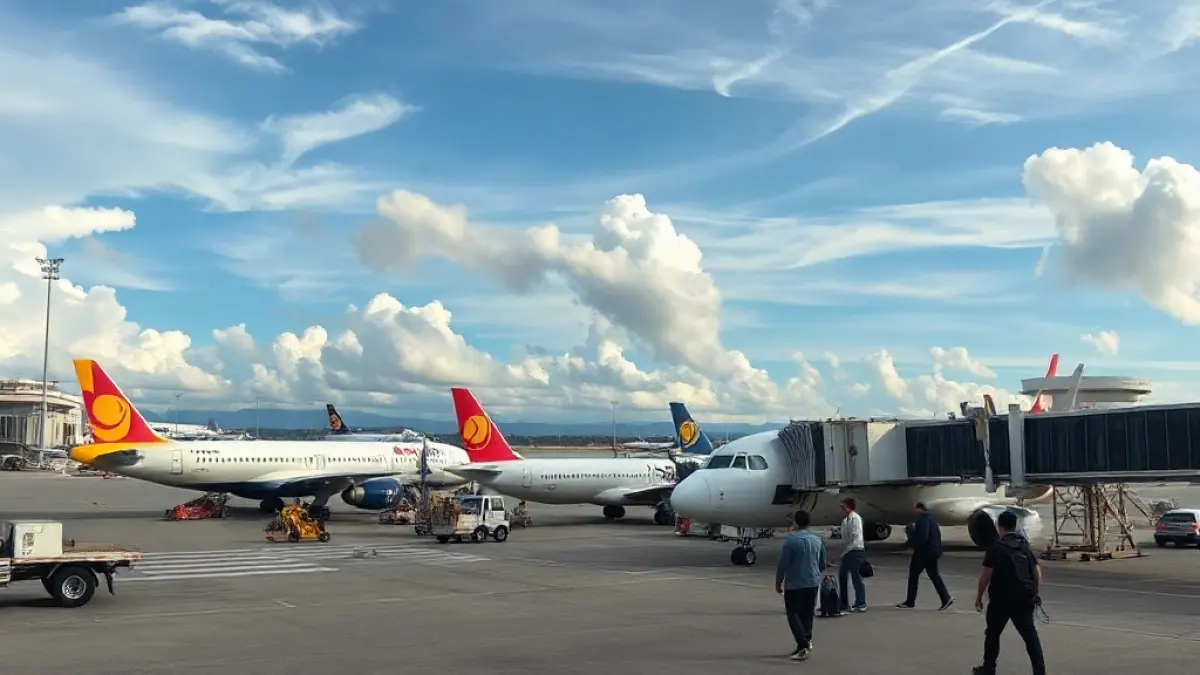
Philippine authorities have released and deported 168 Indonesians who were detained at a Manila airport carrying Philippine Hajj passports, while nine others were kept in custody for further investigation. The case has prompted the Philippines to suspend issuing Hajj passports to pilgrims travelling to Saudi Arabia pending the outcome of an investigation.
Key facts
- 177 Indonesians were arrested at a Manila airport on 19 August holding genuine Philippine Hajj passports.
- 168 were cleared for deportation and repatriated; 9 remain under investigation.
- The passports were believed to have been acquired through fraudulent means for $6,000-10,000 each.
- Indonesian pilgrims pay a deposit of around $2,500, and more than 2 million are on the waiting list.
- The Philippines has suspended issuing Hajj passports to Saudi Arabia-bound pilgrims while it investigates.
What happened to the detained pilgrims?
Indonesia's ambassador to the Philippines, Johny Lumintang, accompanied the deported pilgrims to an airport in Makassar, the capital of South Sulawesi, where 110 of them were dropped off. Speaking in the province, he thanked the Philippine authorities for the group's return after they had been placed in detention by Philippines Immigration.
The group included an elderly couple, both aged 70, whose niece said they had sold one hectare of farmland and paid 250 million rupiah (around $19,000) to a local travel agency to go on pilgrimage. She said the family was happy they had been released but sad that their pilgrimage had been cancelled.
Why did this happen?
The ambassador said fraud syndicates offer Indonesians the chance to travel to Saudi Arabia using the unused Hajj quota allocated to the Philippines. Indonesian national police chief Gen. Tito Karnavian said officials had compiled a list of names linked to the syndicate, which included Indonesians and at least one Malaysian national.
Indonesia receives the largest Hajj quota and sends around 200,000 pilgrims to Mecca and Medina every year, but each pilgrim must pay a deposit of around $2,500 and more than 2 million people are on the waiting list. In South Sulawesi, residents face the longest queue, of up to 32 years, which the ambassador said pushes some to look for alternatives.
What has the Philippines changed?
Philippine officials confirmed that the passports held by the 177 people arrested on 19 August were genuine documents believed to have been obtained fraudulently in exchange for $6,000-10,000 each. After the scandal, the Philippines suspended issuing Hajj passports to pilgrims travelling to Saudi Arabia until its investigation concludes.
What this means for travellers
Anyone considering Hajj travel through documents linked to another country's quota should be aware that Philippine authorities treated these passports as fraudulently obtained, detained the holders and deported most of them. Hajj passports for Saudi Arabia-bound pilgrims are not being issued by the Philippines while the investigation is ongoing.
No timeline has been announced for the conclusion of the investigation or for the resumption of Hajj passport issuance by the Philippines.
Also about:  Indonesia
 Saudi Arabia
 Malaysia