
 PakistanPassports
Diplomatic travel perks survive Senate bid to trim Pakistan official access
Pakistan's Senate has rejected a proposal to introduce a bill that would have stopped ministers of state, advisers, special assistants to the prime minister and senior civil servants from getting diplomatic passports because of their post alone.
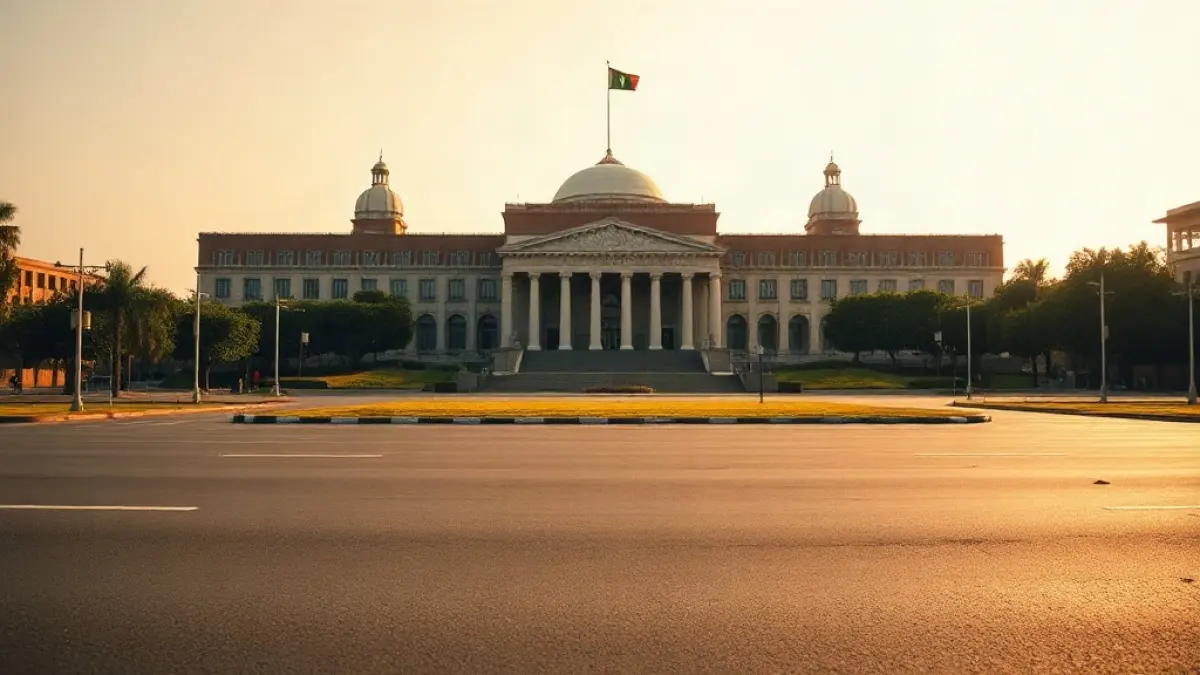
Pakistan's Senate has rejected a proposal to introduce a bill that would have ended the automatic right of a range of senior officials to hold a diplomatic passport. Because the move failed, the rules it proposed — including a mandatory surrender of existing documents — will not come into force.
Key facts
- What happened: the Senate blocked a proposal to introduce the bill.
- What law it targeted: the Passports Act of 1974.
- Who put it forward: PTI Senator Faisal Saleem Rehman, with Senators Samina Mumtaz Zehri and Saifullah Abro.
- Who would have been affected: ministers of state, advisers, special assistants to the prime minister, federal secretaries and directors general.
- Proposed deadline: existing holders would have had 30 days to hand in their passports after the law took effect.
What did the bill propose?
The draft would have added a new Article 12A to the Passports Act of 1974. That article would have barred the issuance, reissuance or renewal of diplomatic passports to the listed officials on the sole basis of the position they hold.
The only federal secretary excluded from the ban would have been the foreign secretary. Directors general would also have been covered.
Who would have been affected?
The restrictions would have applied to ministers of state, advisers and special assistants to the prime minister, federal secretaries apart from the foreign secretary, and directors general.
The explanatory note to the bill stated that the Passport Rules 2021 currently provide for diplomatic passports to be issued to various categories of officials, including ministers of state.
What would existing holders have had to do?
Officials already holding diplomatic passports would have had to surrender them to the authorised body within 30 days of the law entering into force.
The proposal would not have blocked them from holding an ordinary or official passport where other rules allow it. It also would not have cancelled a diplomatic passport obtained through another position, appointment or diplomatic assignment.
Why did senators oppose it?
Minister of State for Interior Talal Chaudhry spoke against the bill, arguing that its authors were proposing to change the powers of the cabinet. Faisal Saleem Rehman countered that "diplomatic passports should be held only by ministers" and should not be handed out without restriction.
Pakistan Peoples Party Senator Zamir Hussain Ghumro objected that a minister of state is also a representative of parliament.
The bill's authors argued a diplomatic passport should follow the nature and needs of diplomatic or state functions rather than being an automatic privilege of status. In their view, the change would separate diplomatic duties from political standing and make issuance more transparent.
What this means for travellers
The vote affects Pakistan's rules on diplomatic passports, not ordinary travel documents used by the general public. Nothing in the proposal concerned standard passports, visas or entry requirements for visitors to Pakistan.
No further legislative steps on the issue have been announced.