
 IranVisas
Afghan Arrivals in Iran, Pakistan Face School Bans, Stricter Residency Checks
Afghan girls and women who fled to Iran and Pakistan to continue studying are being refused places at school and university as both countries tighten residency rules and step up deportations of Afghans.
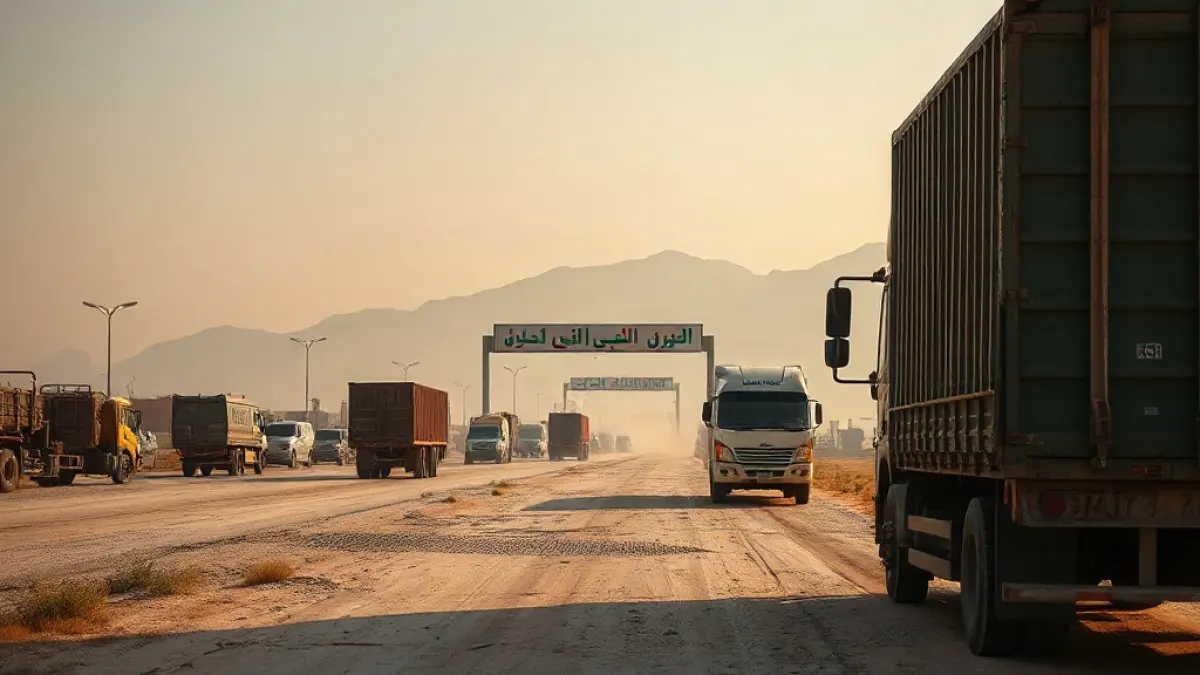
Afghan girls and women who left Afghanistan for Iran and Pakistan so they could keep studying are increasingly being turned away from schools and universities in both countries. Tighter residency rules and large-scale deportations of Afghans mean that students without legal paperwork are refused enrolment, interviews with affected women show.
Key facts
- The Taliban suspended girls' education beyond sixth grade in March 2022, banned women from universities in December 2022, and barred women from medical training courses in December 2024.
- Iran limited access to services, including education, to foreigners holding valid residency documents from 21 March 2025.
- Pakistan says Afghans need valid visas, residency papers and local identity cards to study in schools and universities.
- About 1.9 million Afghans returned from Iran in 2025, including 1.26 million who were deported; nearly 492,300 were deported from Iran by 12 October 2026.
- More than 2.39 million Afghans returned from Pakistan between September 2023 and 16 May 2026.
What rules apply in Iran?
Registration slips that had given temporary legal status to an estimated 2 million Afghans in Iran expired in March 2025. From 21 March 2025, Iranian authorities restricted access to services, including education, to foreigners holding valid residency documents.
Iran's Education Ministry requires foreign nationals to hold valid residency documents, enrol at schools in the area where they are registered, and obtain letters of introduction from agencies responsible for migrants. Many Afghans who entered Iran in recent years have expired visas and say obtaining legal residency has become nearly impossible.
Iranian officials say the door is not entirely shut. Nader Yarahmadi, head of the Interior Ministry's centre for foreign nationals and immigrants, told the Tasnim news agency on 27 September that Afghan children can attend school without documents if their parents hold valid residency permits, and that paperwork can be completed during the school year. The Tehran Times has reported that Afghan children can study alongside Iranian pupils without paying extra tuition fees.
One woman in Tehran, using the name Zahra, said she was a few months short of a medical degree in Kabul when the Taliban banned women from universities. Her family moved to Iran so she and her sister could continue studying, but four years on both have been excluded because their visas expired and they have no legal residency permits. "It's not just me. Many Afghan girls here are facing the same problems," she said.
Another woman, Roya, applied to several Iranian universities for a master's programme and was refused because she had no legal residency permit, despite holding a bachelor's degree. Both women say they live with the daily risk of deportation.
What rules apply in Pakistan?
Pakistani officials say Afghans with valid visas, residency papers and local identity cards can study in schools and universities. Rights advocates say that policy does not help those who lack formal visas because of administrative backlogs or cancelled refugee status.
Nilofar was in her final year of high school in Afghanistan when the Taliban's restrictions ended her education. She went to Pakistan with relatives but was never enrolled after failing to obtain a residency permit, and now takes an English-language course in Hazara Town, a neighbourhood of Quetta, the capital of Balochistan Province, which does not require an identity card.
Hundreds of Afghan medical students, including many women, are fighting to continue their studies after the Pakistan Medical and Dental Council ordered them to return home and told colleges not to facilitate their enrolment this academic year. Pakistani courts have issued interim orders protecting the students from immediate deportation, but their future remains uncertain.
Several Afghan migrants said they live in constant fear of arrest in police raids since Islamabad began a new wave of crackdowns on undocumented Afghans in 2023.
Why are Afghan students being blocked?
Girls and women are barred from secondary school and university inside Afghanistan. The United Nations said in August that about 2.4 million girls in Afghanistan have been denied secondary education since the Taliban returned to power in August 2021, and that Afghanistan is the only country where girls and women are formally banned from secondary and higher education.
What this means for Afghan travellers
Anyone heading to Iran or Pakistan to study should check their immigration paperwork first. In Iran, access to schooling depends on holding a valid residency document, although children whose parents have valid permits can enrol and complete paperwork during the school year. In Pakistan, enrolment requires a valid visa, residency papers and a local identity card.
The interim court orders are currently the only protection described for the Afghan medical students in Pakistan, and their future remains uncertain.
Also about:  Afghanistan
 Pakistan