
 NigeriaPassports
Nigerian travellers to get locally printed e-passport booklets from 2027 Abuja plant
Nigeria has broken ground on a $70 million passport booklet factory in Abuja, due to open in May 2027 with capacity for six million booklets a year. The plant aims to end the country's reliance on imported e-passport booklets.
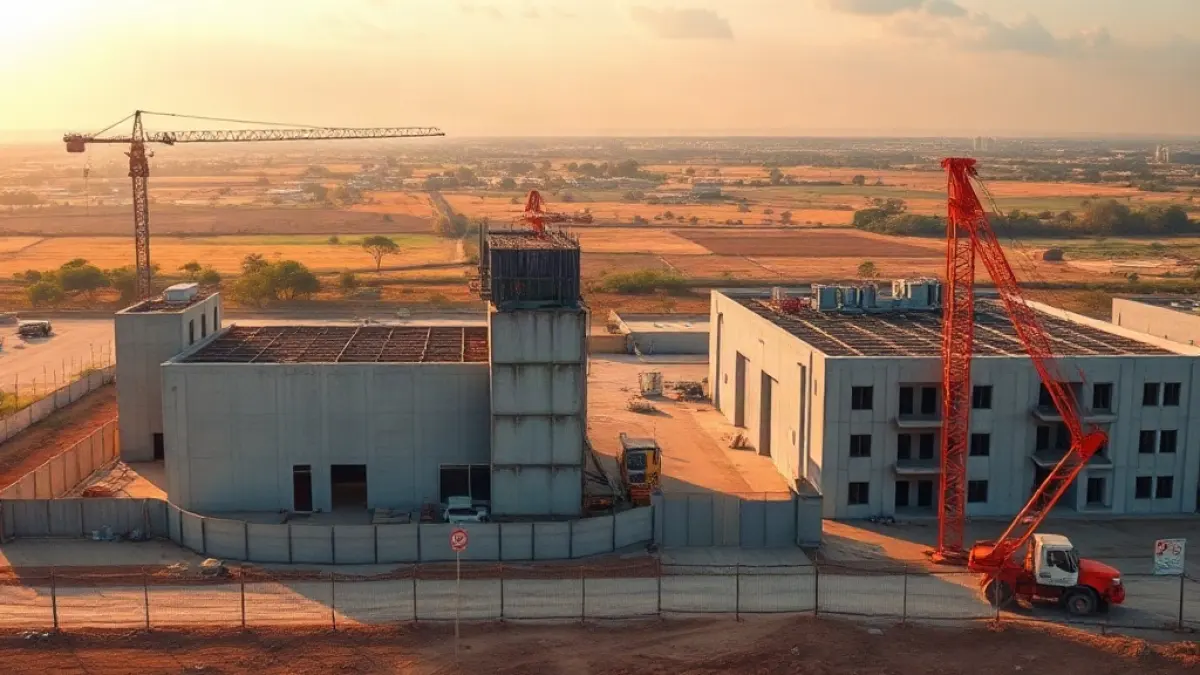
Nigeria has begun construction of a $70 million plant to produce its biometric passports with electronic chips (e-passports) domestically, with the facility due to open in May 2027. The National Passport Booklet Manufacturing Centre is being built in the capital, Abuja, and is intended to end the country's dependence on imported passport booklets.
Key facts
- Cost: $70 million, with no direct government funding, according to the Minister of Interior
- Location: Abuja, in partnership with Abuja-based Iris Smart Technologies
- Opening: slated for May 2027
- Output: six million passport booklets a year initially, rising over time to 10 million
- Estimated demand: between 800,000 and 2 million booklets a year
What is being built?
The National Passport Booklet Manufacturing Centre will manufacture Nigeria's biometric passport booklets within the country. Interior Minister Dr. Olubunmi Tunji-Ojo said the plant would make Nigeria the first country in West Africa to produce electronic passports domestically, and that it is being built without direct government funding.
Officials say the facility will start with an annual capacity of six million passport booklets, scaling over time to 10 million. The country's yearly demand for passport booklets is estimated at between 800,000 and 2 million.
Why is Nigeria doing this?
Nigeria Immigration Service Comptroller-General Kemi Nandap said producing passport booklets inside a secured, regulated national environment strengthens oversight of Nigerian travel documents and cuts external dependency while keeping the international partnerships and standards a credible passport requires.
Passport booklets have previously been produced abroad. Malaysia-based Iris Corporation Bhd held a three-year e-passport production contract with Nigeria's government from 2016, and Abuja's Iris Smart Technologies held the contract in 2023, but the passports were still being made in Malaysia. That arrangement led to backlogs and delays that were investigated by a parliamentary committee the year before.
What this means for travellers
The manufacturing centre is the final stage of reforms since then, according to Tunji-Ojo, which included clearing the passport backlog and setting up a data centre and a passport personalization centre. Iris Smart Technologies also built the Nigeria Immigration Service Contactless Biometrics App, launched in 2024 with partner Newworks.
Travellers holding or applying for Nigerian passports should not expect any change from this project before the facility's scheduled opening in May 2027. No changes to application procedures, fees or processing times have been announced alongside the groundbreaking.
Also about:  Malaysia