
 BarbadosVisas
Barbados Welcome Stamp: Costs and Rules for Remote Workers on a 12-Month Visa
Barbados's Welcome Stamp lets remote workers live on the island for 12 months, with a non-refundable fee of US$2,000 per person or US$3,000 for a family, an income test of at least US$50,000 a year and compulsory health insurance.
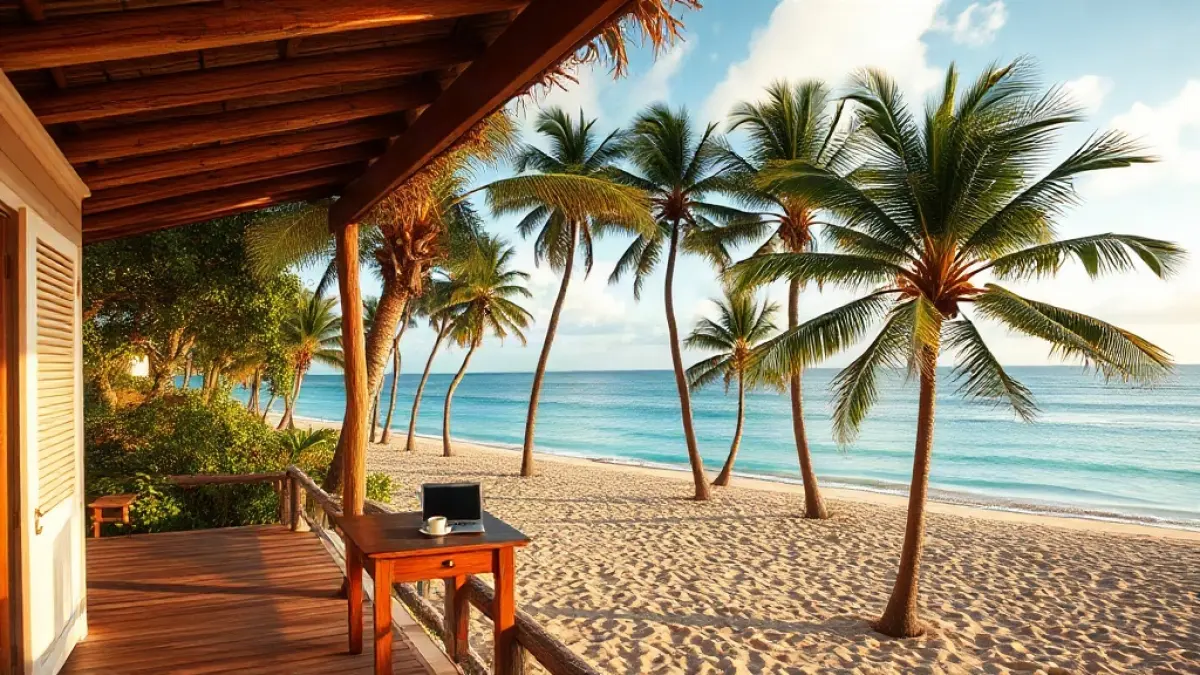
Remote workers planning a year in Barbados need to budget well beyond the application fee. The Barbados Welcome Stamp, a 12-month visa run as an initiative of the Ministry of Tourism and International Transport, carries a fixed government charge, an income threshold and mandatory health insurance — and the fee is not refunded if the application fails.
Key facts
- Duration: 12 months
- Fee: US$2,000 for an individual applicant, US$3,000 for a family bundle — both non-refundable
- Income test: at least US$50,000 a year across the 12 months the stamp is held
- Health insurance: required as part of eligibility
- How to apply: electronically at barbadoswelcomestamp.bb
Who is the Welcome Stamp for?
The stamp is aimed at non-nationals who are resident and employed in a country other than Barbados and who will carry out remote work for non-Barbados employers or clients. Taking local employment in Barbados requires a separate work permit, as Invest Barbados explains.
Applicants who own a business should keep their client base overseas. The guide notes that setting up a Barbadian company or selling to the local market is not covered by the visa and needs the right permission first, while contracts, invoices and payments should remain traceable to non-Barbados counterparties.
What does it cost?
The government figures are the only fixed lines: US$2,000 for an individual and US$3,000 for a family bundle, both paid with the application and non-refundable. Over 12 months that works out at roughly US$167 a month per person, or 4 per cent of the US$50,000 minimum income; the family bundle equals about US$250 a month, or 6 per cent of the same income level.
Everything else is variable, and the guide says flights, accommodation and insurance will usually far exceed the fee. It recommends getting written insurance quotes and accommodation quotations before paying the application fee, and holding off on non-refundable travel or a long lease until written approval arrives.
The Barbados dollar is linked to the US dollar at two to one, a rate the Central Bank of Barbados sets, so US-dollar earners face little exchange risk on local prices. Earners in sterling, euros or other floating currencies do not, and are advised to budget at the worst realistic rate.
What documents and insurance are needed?
Applications take electronic uploads, including a passport and a passport-sized photograph to the specification on the form. The passport should be valid for the whole stay. Income evidence depends on the applicant: employment letters for salaried staff, signed contracts and recent invoices for freelancers, and consistent figures for founders, who should match what they report to their tax authority.
Health insurance is part of eligibility, not an optional extra. The policy should cover the whole stay with no gap on arrival or at departure, and applicants are advised to check exclusions such as pre-existing conditions and medical evacuation. No Barbadian bank account is listed as an application requirement in the official sources cited, and travellers should check the portal for the current position.
Can families apply?
The family bundle costs US$3,000, and the Ministry of Education's Welcome Stamp schools page states that school-aged children of approved applicants are covered. Admission, documents and costs are set by schools and the Ministry, and the guide advises families to budget separately for uniforms, transport and school fees.
What happens after 12 months?
The programme does not publish a decision time that applicants can rely on, so schedules should allow slack. Renewal should not be assumed: the guide recommends planning the year as 12 months and treating any extension as a bonus, with a decision point around month nine. A longer stay based on local work would need a different route, such as a separate work permit.
What this means for travellers
Remote workers considering Barbados should confirm their income evidence meets the US$50,000 threshold, arrange health insurance covering the full year and check that their passport is valid for the entire stay before paying the non-refundable fee. Applications are made online through barbadoswelcomestamp.bb, and the official programme pages hold the exact insurance and evidence wording.
Applicants should also settle tax, payroll and residency questions with an adviser before departure, since the position depends on their home country, nationality and payment arrangements. Nothing in the guide's confirmed official sources states a processing time, a renewal policy or how combined household income is treated — those points should be checked directly with the programme.