
 EthiopiaVisas
Ethiopia Among Six Countries With Security Flaws in Visa Systems
A security researcher found serious flaws in the online visa and passport systems of Ethiopia and five other countries. The issues could have exposed traveller data and are now fixed.
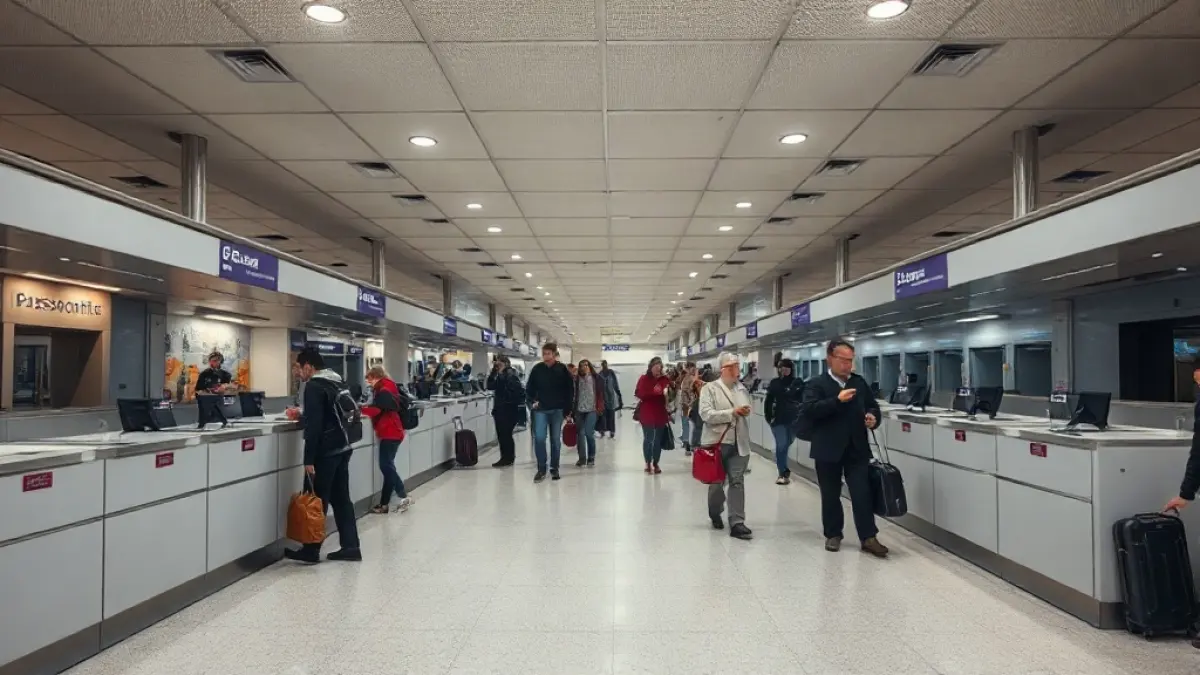
The online visa and border-control systems of Ethiopia and five other countries contained serious security weaknesses that could have let attackers read travellers' personal data and even approve or deny entry, independent security researcher Eaton Zveare has revealed. He says the flaws have now been fixed.
Key facts
- Affected countries: Ethiopia, Nigeria, Ghana, Zambia, Fiji and Sri Lanka.
- The flaws were in online systems used for visa applications, passports and authorising entry.
- Attackers could potentially have reached millions of travellers' visa and passport data, including biometrics such as fingerprints.
- Fixes took from a few days to more than six months, Zveare says.
- Full technical details are due to be presented on 10 December 2026.
What was found?
Zveare identified critical API — application programming interface — vulnerabilities in the platforms these countries use to process visa applications and authorise travellers to enter. The problems included broken object-level authorization, broken function-level authorization and missing authentication, all of which he described as common web security failures that should never exist in systems vital to national security.
In Nigeria alone he found roughly a dozen vulnerabilities, while the other countries had several each. He developed working exploits showing that the flaws could expose personally identifiable information belonging to visa applicants and provide access to administrative functions that determine whether someone is granted entry.
Which countries and systems are affected?
The systems affected belong to Ethiopia, Nigeria, Ghana, Zambia, Fiji and Sri Lanka. Zveare found the flaws in online passport-control and visa platforms built with modern web technologies such as Angular and React, many of them created by third-party contractors of varying expertise, which he believes contributed to the simple, easily avoidable gaps. In Nigeria's case, he suggested that heavy reliance on AI to build the system may also have introduced flaws into the code.
What could attackers have done?
Because some flaws granted administrative access, Zveare described the level of access as "God mode at the border". He said attackers could have viewed all past visa and passport applicants and approved or denied live applications. One worst-case scenario he outlined involved identifying a person of interest and using exposed travel itineraries and hotel details to track their movements. The report does not state that any traveller data was actually taken or that any entry decision was altered.
Have the problems been fixed?
Disclosure was complicated because the systems span several countries and are often run by outside contractors. Zveare said many national computer emergency response teams (CERTs) did not respond, so in those cases he contacted the contractor that had built the system directly, which was often the fastest route to a fix. Nigeria, which had the most problems, responded particularly quickly, he said. Response times ranged from a few days to more than six months, and by now he says everything is essentially fixed.
What this means for travellers
Anyone who has submitted a visa or passport application through the online systems of these six countries should be aware that the platforms had weaknesses that could have exposed application data. No changes to visa procedures, fees or entry rules have been announced as a result of the findings, and the source gives travellers no specific action to take beyond noting the disclosures still to come.
Zveare is scheduled to present the technical details of the flaws in a session at Black Hat Europe, which runs from 7 to 10 December 2026 at Excel London.
 Nigeria
 Ghana
 Zambia
 Fiji
 Sri Lanka