
 NepalTravel
Nepal flood recovery begins as 1,500 dead and 5,000 still missing
The emergency response to Nepal's glacial flood is ending and rebuilding is starting. At least 1,500 people died, more than 5,000 are missing and around 100,000 have been affected.
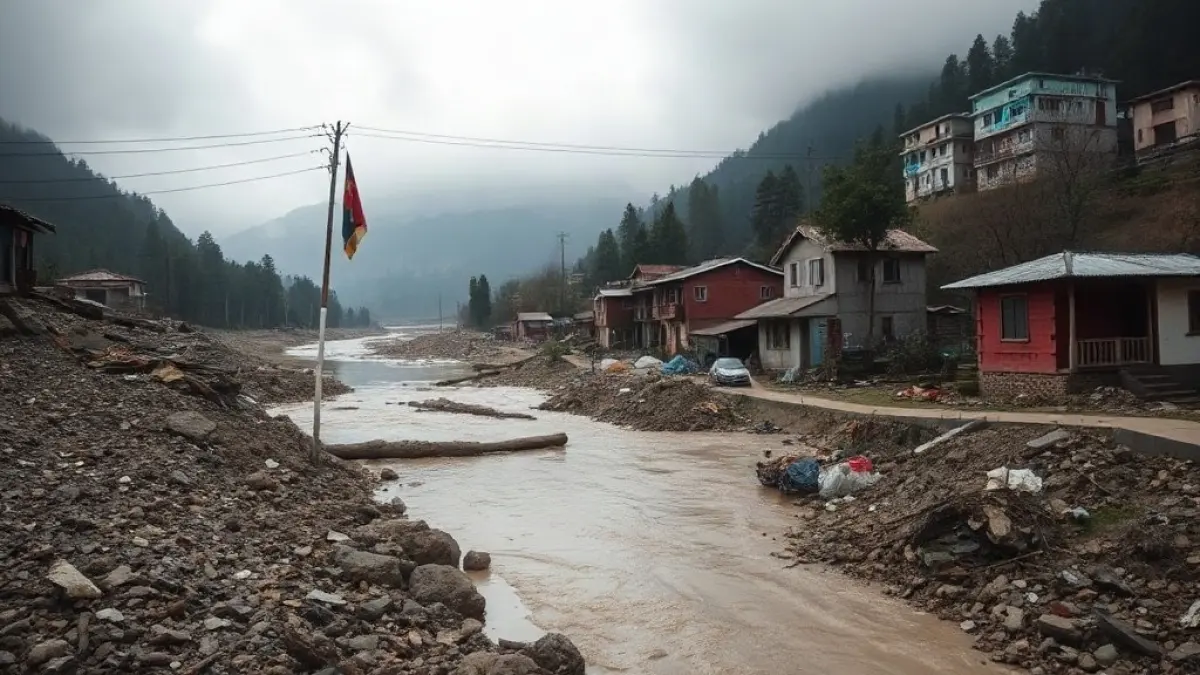
The emergency response to Nepal's catastrophic flood is drawing to a close, and aid workers are turning to the long task of rebuilding communities hit after a glacial collapse along the Trishuli River. At least 1,500 people have died and more than 5,000 are still missing.
Key facts
- The disaster was triggered by a glacial collapse and a massive debris flow along the Trishuli River.
- At least 1,500 people have died and more than 5,000 are still missing.
- Around 100,000 people have had their lives upended.
- Seven health facilities, 23 schools, 10,000 toilets and 64 water systems were damaged or destroyed, the United Nations says.
- Thousands are still living in temporary shelters or tents.
What happened?
Flash floods and mudslides struck Devighat, in Bidur Municipality of Nuwakot district, after a glacial collapse sent a massive debris flow down the Trishuli River. In Uttargaya, caterer Januka Dhital was preparing snacks for an event when a man on a scooter came to warn of the flood. She grabbed her young son and escaped to higher ground on the back of the scooter.
Her husband and daughter were at work and school when the water came. After hours of waiting and searching, the family was reunited; her husband was badly injured but alive. Their home was gone. "We have lost everything. We have nothing now," Dhital says.
Who has been affected?
Dhital's family is among the roughly 100,000 people whose lives have been upended by floods sparked by glacial melt, a phenomenon made worse by climate change. At least 1,500 people have died, more than 5,000 remain missing, and thousands are still living in temporary shelters or tents.
What has been damaged?
The United Nations reports that the flood damaged or destroyed seven health facilities, 23 schools, 10,000 toilets and 64 water systems. There are early signs that malnutrition is spiking as winter approaches.
What is happening now?
As the emergency response ends, aid workers are moving on to rebuilding communities that lost everything. Many of those workers lost everything too: Dhital, who ran her catering service out of her house, has taken on a new role helping survivors.
What this means for travellers
The source does not report any travel restrictions, official visitor advice, or the status of roads and airports. It does report that thousands of people remain in temporary shelters and that health facilities and water systems were damaged or destroyed in the affected area.
Winter is approaching and there are early signs that malnutrition is rising. No timetable for reconstruction has been announced.