
 BhutanEntry rules
India Sets New ID Rules for Bhutan and Nepal Trips From 4 November 2026
India's Home Ministry now requires Indian citizens travelling to Bhutan or Nepal by road or air to carry a passport or an original photo Voter ID card. Aadhaar, PAN cards, driving licences and digital copies are not accepted.
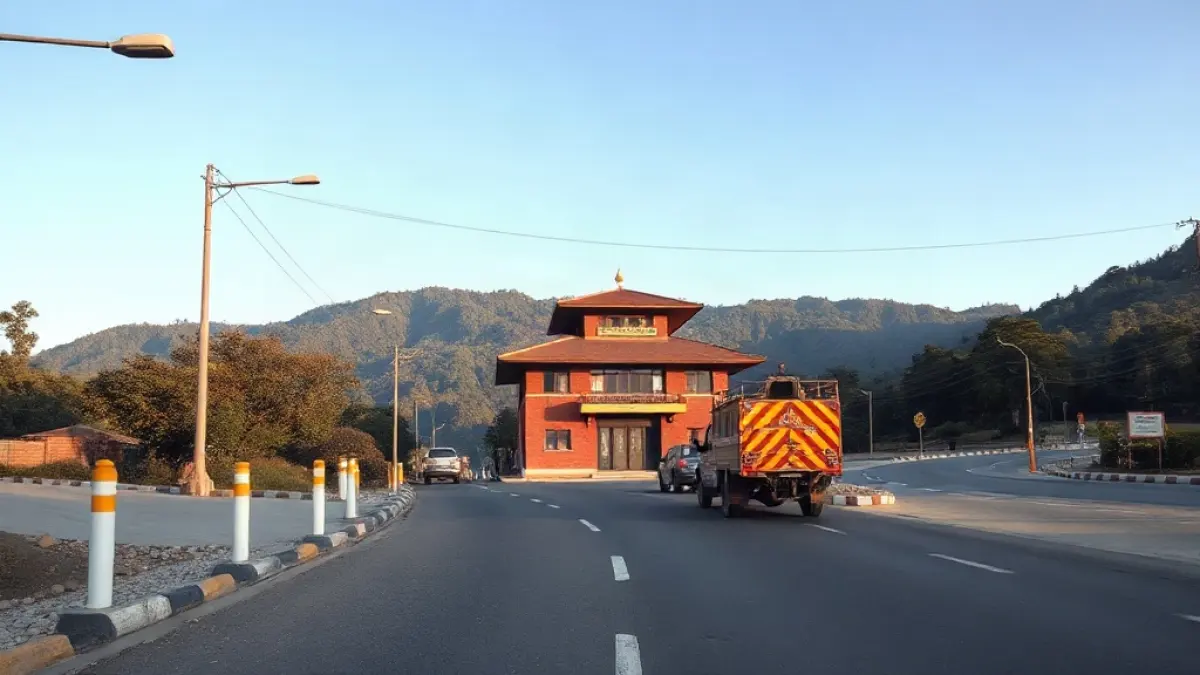
Indian citizens travelling to Bhutan or Nepal — or returning from either country — must now produce a specific identity document when passing through immigration. India's Ministry of Home Affairs (MHA) revised the Immigration and Foreigners (Exemption) Order, 2025, through a notification dated 4 November 2026, formalising identity checks for cross-border journeys by road or air.
The change also draws a line between direct travel and trips that use Nepal or Bhutan as a gateway to a third country, which are treated differently.
Key facts
- Announced by India's Ministry of Home Affairs in a notification dated 4 November 2026
- Applies to Indian citizens travelling to or returning from Nepal and Bhutan by road or air
- Accepted documents for direct travel: a valid passport, or an original Voter ID card with photograph
- Not accepted: Aadhaar, PAN cards, driving licences, photocopies and digital documents stored in DigiLocker
- Transit via Nepal or Bhutan to a third country is outside the exemption and requires a valid passport
- Indian travellers to Bhutan also need an entry permit
What are the new document rules?
Under the revised order, Indian citizens making the journey by road or air must show an identity document recognised under the government's Visa Manual. Immigration officers may also ask travellers to provide additional information.
For direct travel, Indian adults should carry either a valid passport or an original Voter ID card with photograph. The rules state that Aadhaar, PAN cards, driving licences, photocopies and digital documents stored in DigiLocker should not be treated as substitutes for accepted immigration documents.
What if I am transiting through Nepal or Bhutan?
The exemption does not cover Indian citizens who use Nepal or Bhutan as a transit point to cross into a third country. In those cases, travellers must carry a valid passport and enter or exit India through official immigration check points.
Why can visa-free travellers still be denied entry?
Visa-free access lets eligible Indian passport holders visit some destinations without arranging a visa beforehand, but the decision to admit a visitor rests with the immigration authorities of the destination country. Reasons travellers can be refused entry include missing travel documents or failing passport-validity requirements; not holding a return ticket; being unable to show they can afford accommodation, transport and other costs; being unable to explain the purpose, duration and itinerary of the visit; missing accommodation details such as hotel bookings, host addresses or invitation letters; earlier overstays, deportations or breaches of immigration conditions; and contradictions between bookings, documents and answers given to officers.
What should travellers check before departure?
The MHA guidance points travellers to review the latest entry rules through official embassy websites and the Ministry of External Affairs' country-wise travel information. Travellers should also verify passport validity, permitted length of stay, transit visa rules and any electronic travel authorisation. For Bhutan, Indian travellers additionally require an entry permit, while those heading to Nepal should carry the required original identity documents.
No separate start date beyond the 4 November 2026 notification has been announced in the rules described.
 India
 Nepal