
 MadagascarTravel
Madagascar raids tie scam compounds to networks that left Cambodia
Raids on online scam centres in Madagascar uncovered links to criminal groups that ran similar operations in Cambodia. Authorities say recruits were lured with fake job offers, had passports taken and were forced to carry out fraud.
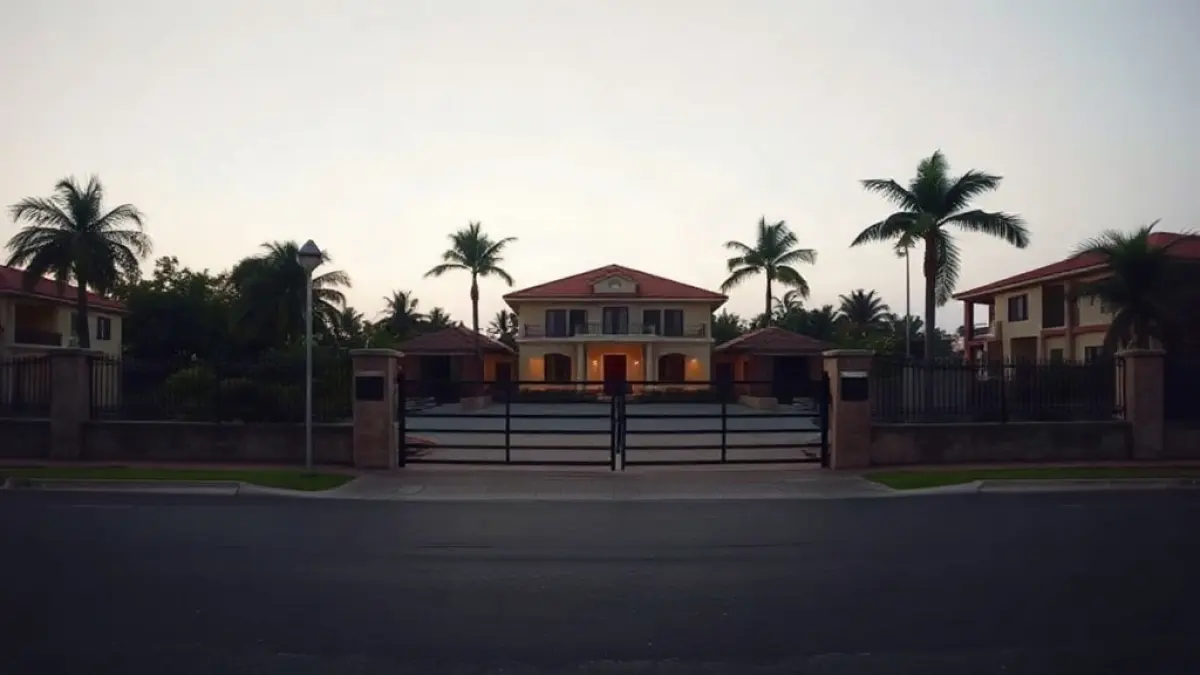
Madagascar has dismantled 13 Chinese-run online scam compounds in operations carried out in August and September with the US Department of Justice (DOJ), according to the country's justice ministry and US authorities. Investigators say the networks are linked to criminal groups that previously ran similar operations in Cambodia and relocated after law enforcement action there.
The centres carried out romance, cryptocurrency and investment fraud, and authorities say African nationals were recruited through alleged human trafficking.
Key facts
- 13 Chinese-run scam compounds were taken down in Madagascar in August and September
- 148 Chinese nationals have been extradited to China, Madagascar's justice ministry said
- About $52 million in cryptocurrency was seized in a single day and more than 3,200 electronic devices were processed, US authorities said
- Around 20 nationals of Kenya, Rwanda, Uganda and Zimbabwe were in custody
- Three Brazilian witnesses said they were moved to Antananarivo in early May 2026, according to an FBI court document
What did the raids uncover?
Most of the sites were operated by Chinese nationals, Madagascar's justice ministry said, and 148 of them have been extradited to China. In a separate development, 11 Chinese nationals arrested in the online scam crackdown walked free from a Madagascar jail in August in a widely publicised scandal allegedly implicating the head of the prison service.
Several African nationals remained in custody even though initial findings suggested they may have been victims of human trafficking, officials said. The man charged with running one romance scam scheme was a Malaysian national identified as Chui Kok Wa, who had been living in a villa in the upscale Ivato neighbourhood near Antananarivo, US authorities said. Police crime unit chief Hassan Mouigni said his passport indicated he first arrived in 2024 and had previously been in Cambodia.
How were workers recruited?
Officials said the Madagascar centres lured Africans to the island through social media with promises of salaries, in the same way scam operations in Southeast Asia work. Around 20 nationals of Kenya, Rwanda, Uganda and Zimbabwe were in custody.
Mouigni said the recruits were told they were coming to work in Madagascar's commercial sector, but on arrival most had their passports confiscated by their boss and were forced to carry out scams. "They were victims of deception," he said.
Why did the operations leave Cambodia?
The DOJ said it believes the criminal group, with connections to Malaysia and China, opened scam compounds in Madagascar in early 2025, likely having moved the operations from Cambodia after law enforcement action there. Tsitohaina Ralihivao, coordinator of the cybercrime unit at Madagascar's communications ministry, linked the move to a 2025 crackdown on scam compounds in Cambodia near the border with Thailand, when the two militaries also clashed.
An FBI court document reached a similar conclusion after questioning three Brazilian nationals who worked at a compound in Antananarivo. They said they had answered online job offers, ended up at a compound in Cambodia and were moved to Madagascar in early May 2026 amid armed conflict between Cambodia and Thailand and police activity in Cambodia. The FBI said cyber scam centres are increasingly opening in Africa after such compounds closed in Southeast Asia.
What this means for travellers
Authorities describe a pattern in which people are recruited through social media with offers of work abroad and then have their passports taken away once they arrive. The US authorities intervened because the centres primarily targeted English-speaking countries, including the United States, Canada and Pakistan, Mouigni said.
The arrival of the centres was noticed in the capital: Mouigni said they first occupied discreet villas and then began renting entire hotels. The suspected head of one compound based at the Live Hotel in the city was a Chinese national who was among those extradited to Beijing.
The United Nations Office on Drugs and Crime had warned last year about the expansion of these networks, particularly into Southern Africa. No further operations or court dates have been announced.
Also about:  Cambodia
 China
 Malaysia
 Thailand
 United States
 Pakistan
 Canada