
 MozambiqueTravel
Travellers to Mozambique Face Growing Risks as Channel Shipping Comes Under Attack
The US Africa Command has warned that ISIS-linked insurgents in Mozambique are building maritime capacity, with recent piracy off the coast threatening shipping through the Mozambique Channel. Washington plans more training and exercises with Mozambique.
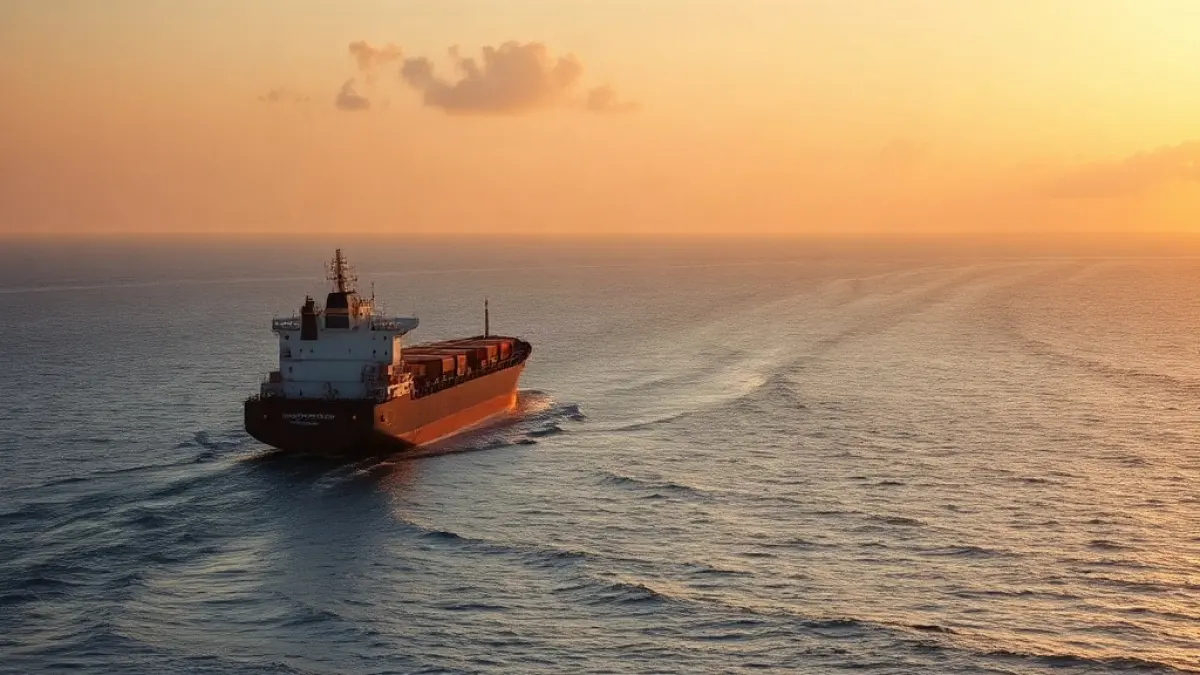
The United States Africa Command (AFRICOM) has warned that Islamic State-linked insurgents in Mozambique are expanding their maritime capability, and that recent piracy incidents off the country's coast could threaten shipping and trade through the Mozambique Channel.
AFRICOM Deputy Commander Lt Gen John W. Brennan set out the concerns at a virtual briefing organised by the US Department of State's Africa Regional Media Hub on Tuesday. He said the developments had become a concern for regional security partners.
Key facts
- Who issued the warning: US Africa Command, through Deputy Commander Lt Gen John W. Brennan
- What is happening: growing maritime capacity and recent piracy activity by ISIS-Mozambique off the coast
- Area of concern: the Mozambique Channel, described as a strategic corridor for international shipping and commerce
- Planned training: a Joint Combined Exchange Training (JCET) exercise in Mozambique later in the year
- Named exercises: Cutlass Express and Epic Guardian, which the US wants Mozambique to join and eventually host
- Investment at risk: a multibillion-dollar liquefied natural gas project involving ExxonMobil and Total at Afungi
What is the threat?
Brennan said ISIS-Mozambique's maritime activities had increased, pointing to recent piracy actions off the coast. He said the volume of traffic passing through the Mozambique Channel made that route important to global shipping and commerce, and that Washington wanted to protect it from the group and anyone else seeking to harm global trade.
He also described protecting major foreign investment in Mozambique as a priority, specifically the liquefied natural gas project involving ExxonMobil and Total at Afungi. Brennan said the investment was strategically important to Mozambique's economy and that the US wanted to prevent interference with its operations, adding that the results of the investment could double the country's GDP within the first year it is fully operational.
What does the US plan to do?
Brennan, who recently visited Mozambique and Madagascar alongside AFRICOM's Deputy Commander for Civil-Military Engagement and former US Ambassador to Mozambique, Peter Vrooman, said Washington wanted to increase security engagement with both countries. Plans include military exercises, specialised training and closer cooperation with Mozambique's defence authorities.
A Joint Combined Exchange Training exercise is planned for Mozambique later in the year, and the US is encouraging the country to host more regional security exercises. Brennan said the US wanted Mozambique to take part in Cutlass Express and Epic Guardian, and to host some exercises in future alongside Madagascar; he said Cutlass Express typically attracted about 30 countries.
Earlier training plans had been frustrated by administrative hurdles, Brennan said, including visa issues and difficulties bringing special forces personnel, equipment and weapons into the country. He said he had asked President Chapo and Mozambique's minister of defence to help cut through the bureaucracy so training events can happen.
What else was raised?
Brennan called for stronger regional maritime intelligence sharing, noting that Mozambique was absent from a maritime information-sharing network he visited in Madagascar, which comprises seven countries including Western Indian Ocean island nations, Kenya and France. He said the US was also considering technological support, including the SeaVision maritime monitoring system and uncrewed systems.
He said the US was supporting efforts to counter misinformation and propaganda attributed to Russia's Africa Corps, and warned African countries about extending Russia's security model from the Sahel to East Africa. On Somalia, he said the relocation of US forces from Baledogle Airfield was "100 per cent an economic decision" because the runway surface had deteriorated to the point of being dangerous, with resurfacing set to cost tens of millions of dollars; personnel moved mostly to Mogadishu.
What this means for travellers
The warning is directed at shipping and international trade along the Mozambique coast rather than at tourist travel, and it sets out no new entry rules or advice for visitors. Anyone planning sea journeys in the region should note that the US has flagged piracy activity off Mozambique's coast and a wider threat to traffic through the Mozambique Channel.
No date has been given for the planned JCET exercise beyond "later in the year", and no start date has been announced for any of the other measures described.
Also about:  Madagascar
 Somalia
 Kenya
 France
 United States