
 JapanVisas
Japan Simplifies Visa Applications for Nigerians in Abuja and Lagos
Japan has streamlined visa processing for Nigerians through Japan Visa Application Centres in Abuja and Lagos, bookable online. A published checklist covers tourist, business, family visit, student and work visas, and no visa fee is charged if a visa is not issued.
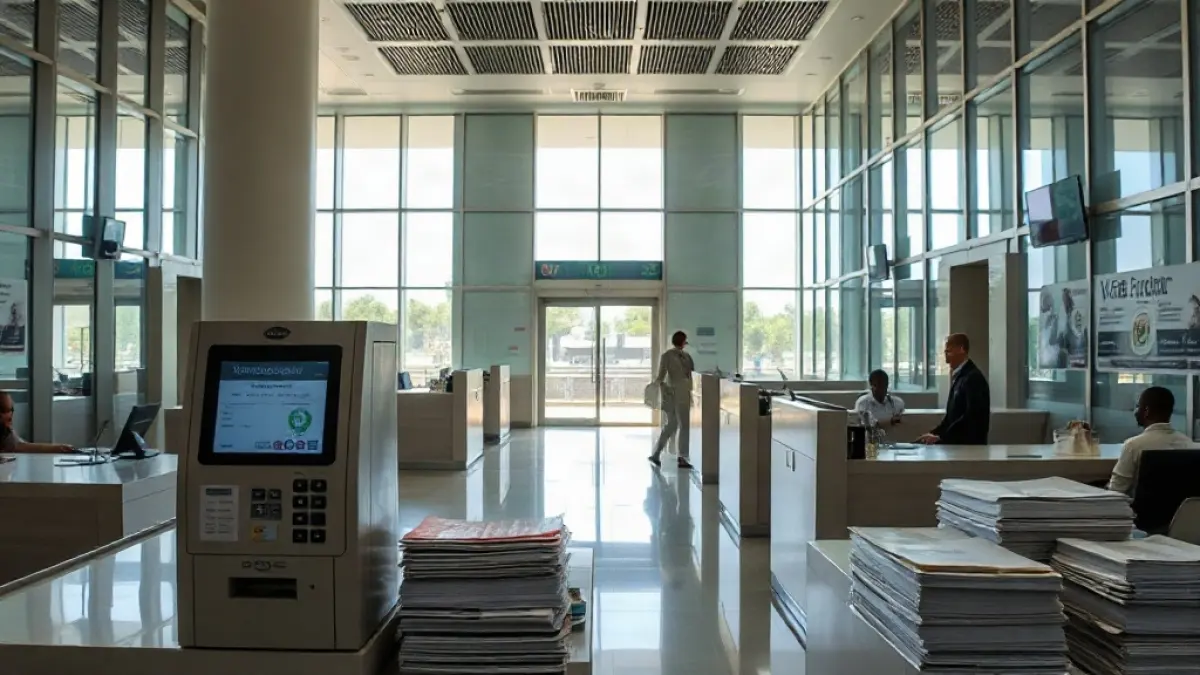
Japan has simplified how Nigerians apply for Japanese visas, replacing walk-in submissions with appointments at dedicated Japan Visa Application Centres (JVAC) in Abuja and Lagos. The Embassy of Japan in Nigeria says the aim is to keep bureaucracy and language from blocking genuine travel, study and business exchange.
Key facts
- Who it affects: Nigerian applicants for Japanese visas
- Where to apply: Japan Visa Application Centres in Abuja or Lagos
- How: by prior online appointment, not walk-in
- Visa types covered: tourist, business, family visit, student and work
- Cost: no visa fee if a visa is not issued; only the centre service charge applies
- Visa still required: Nigerians must obtain a visa before travelling to Japan
What has changed?
Applications from Nigeria are no longer accepted through a walk-in system. They are now processed through the Japan Visa Application Centres in Abuja or Lagos, and applicants must book an appointment online beforehand.
The Embassy describes the process as structured, transparent and predictable, with a clear checklist published for each visa category: tourist, business, family visit, student and work. Requirements are published, the centres are accessible, and the timeline is known, the Embassy says. No start date for the appointment-based system is given.
How much does it cost?
If a visa is not issued, no visa fee is charged — only the centre's service charge applies. The source does not state the amounts of either the visa fee or the service charge.
What support is available?
Optional services at the centres include courier return of documents, SMS alerts and premium lounge assistance.
Japan's Ambassador to Nigeria, Suzuki Hideo, also assured Nigeria's Foreign Minister, Ambassador Bianca Odumegwu-Ojukwu, during recent high-level talks in Abuja that visa matters involving businesspeople, students, researchers, government officials and tourists would be handled expeditiously.
Why is Japan doing this?
The visa changes sit alongside wider cultural and educational outreach. On 31 October 2026, Ambassador Suzuki hosted the final of the 7th Japanese Speech Contest at his residence in Abuja, where five finalists delivered speeches in Japanese and Adebowale Ayomide Adewale won with a speech titled 'Beyond the Wall of Fluency'. The Embassy organises the contest to promote Japanese language learning in Nigeria.
The Embassy frames these programmes as cultural and economic exchange, school and community partnerships — not immigration — with the purpose of mutual understanding between Nigerians and Japanese.
What this means for travellers
Nigerians still need a visa before travelling to Japan, so applications should be planned through the JVAC in Abuja or Lagos with an online appointment booked in advance. Applicants can check the published checklist for their visa category — tourist, business, family visit, student or work — before submitting.
The Embassy has reaffirmed its commitment to Japanese language education, cultural exchange and academic partnership, and the speech contest is now an annual fixture in Abuja. No further changes to visa rules have been announced.
Also about:  Nigeria