
 JapanVisas
Japan's tighter deportation and business visa rules cut foreign resident numbers
Japan's revised immigration law and a much higher capital requirement for the business manager visa are shrinking foreign communities, including the Sri Lankan community in Ashikaga, Tochigi Prefecture.
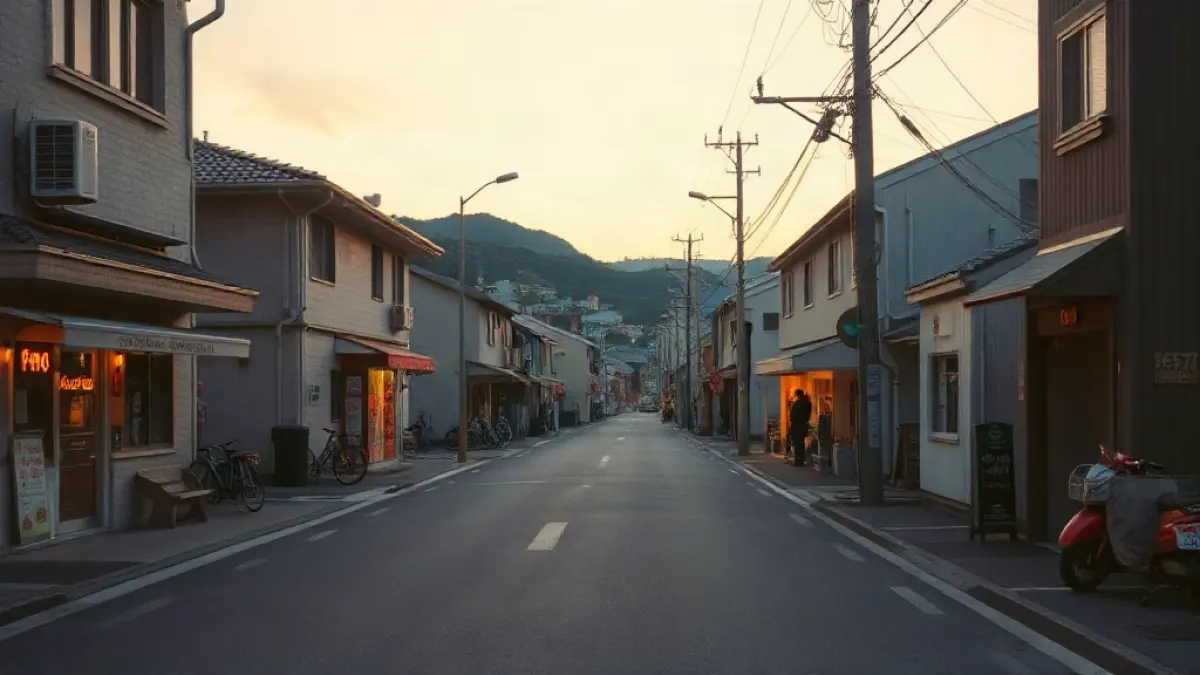
Two changes to Japan's immigration system are pushing foreign residents out of the country: a revised law that allows the forcible deportation of asylum seekers whose claims have been rejected twice, and a steep increase in the capital required for a business manager visa. The effects are already visible in the Sri Lankan community of Ashikaga, Tochigi Prefecture, one of the largest in Japan.
Key facts
- A revised immigration law took effect in June 2024, allowing forcible deportation after two rejected refugee applications, even if a third application is pending
- Japan's Immigration Services Agency said 59 deportations were carried out under that exception provision last year
- The business manager visa minimum capital rose from 5 million yen ($31,600) to 30 million yen in October 2025
- Monthly applications for that visa fell from about 1,700 to about 70 after the change, according to the Cabinet Secretariat
- Sri Lankan residents in Ashikaga dropped by around 100 between August 2025 and August 2026
What changed for asylum seekers?
Under the previous refugee recognition system, asylum seekers were not deported while their applications or re-applications were under review. The revised immigration law that took effect in June 2024 includes an exception provision permitting the forcible deportation of people rejected twice, even if they have filed a third application.
The Immigration Services Agency said 59 deportations were carried out under the exception provision last year. One case involves a Sri Lankan man in his 40s living in Oyama, Tochigi Prefecture, who came to Japan in 2006 on a tourist visa after fleeing the civil war in his home country. Muslims, about 10 percent of Sri Lanka's population, were targeted in the violence. After his refugee applications were rejected twice, immigration authorities summoned him and in October gave him a document stating he would be forcibly deported after one month.
What changed for business owners?
In October 2025, Japan raised the minimum capital needed to obtain a business manager visa, which allows foreign nationals to run restaurants and retail shops, from 5 million yen ($31,600) to 30 million yen. The change followed criticism from lawmakers who argued the visa allowed foreigners to settle in Japan too easily. More than 40,000 foreign nationals held this residency status nationwide at the end of 2024.
According to the Cabinet Secretariat, about 1,700 new business manager visa applications were filed on average each month between May and October 2025. Between October 2025 and March 2026, that monthly figure fell to about 70.
Who is affected?
The Ashikaga municipal government says Sri Lankan residents in the city rose nearly fourfold in a decade, from 405 to 1,592 in August 2025, roughly 40 percent of all Sri Lankans in the prefecture. By August 2026 the number had fallen by around 100.
Community leader Abdul Nasser, 54, who arrived in Japan as an international student in 1996, said people are returning home despite the risks while their refugee applications are pending, and that the Ashikaga community will likely shrink significantly.
Foreign business owners are also affected. A Nepalese man, 49, who opened an Indian cuisine restaurant in Kodaira, Tokyo, in 2021 after arriving in Japan in 2007, said he cannot save 30 million yen while prices are rising and has given up hope of permanent residency after three applications. Administrative scrivener Kazuki Yuda, 34, said the revised requirements are hitting business owners running honest businesses and called for rules that assess a business's actual operations.
What this means for travellers
Anyone planning to move to Japan on a business manager visa should confirm the current minimum capital requirement before making plans, as the figure rose sharply in October 2025. People considering applying for refugee status in Japan should note that under the revised law, a second rejection can lead to forcible deportation even if a further application is filed.
No further changes to either rule have been announced in the accounts described.
 Sri Lanka
 Nepal