
 GhanaTravel
Ghana Eases Bawku Curfew and Motorcycle Ban After 150 Calm Days
Ghana has relaxed a nighttime curfew and lifted a five-year motorcycle travel ban in the Bawku area near Burkina Faso and Togo, after 150 days without gun violence. A $85.7 million revitalization fund is planned for 2026-2028.
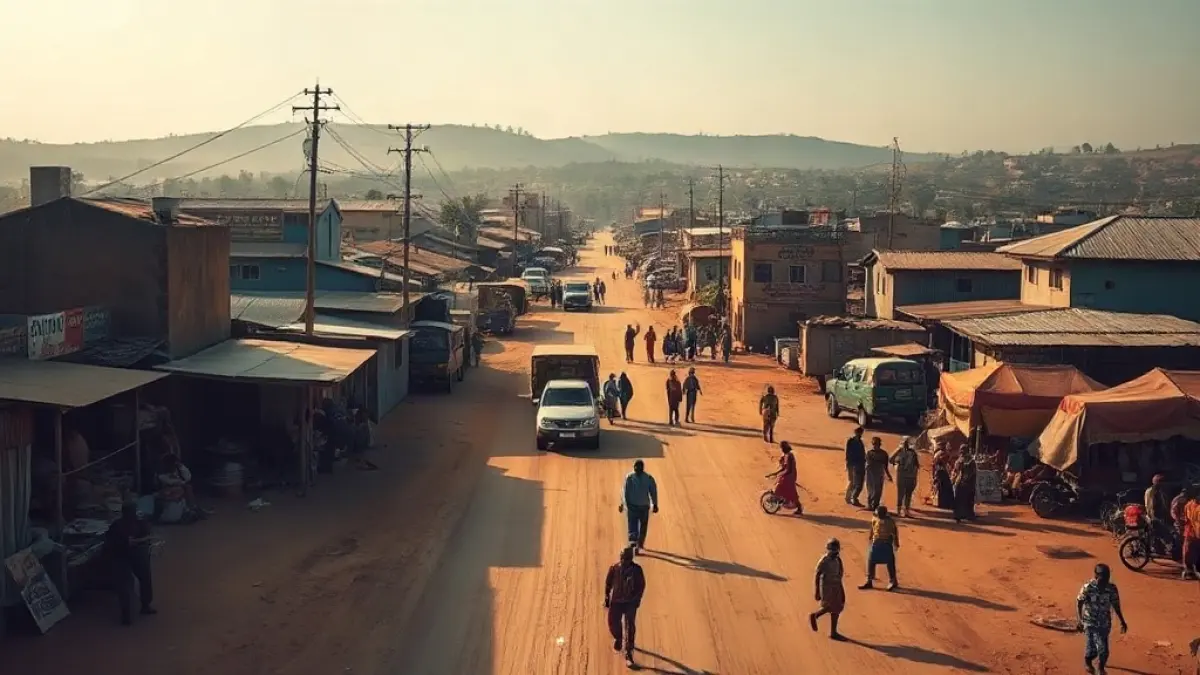
Ghana's government has loosened a nighttime curfew in the Bawku area of the country's northeast and lifted a five-year-old ban on motorcycle travel, the Ministry of the Interior said. The changes follow 150 days without gun violence in a region close to the borders with Burkina Faso and Togo.
Key facts
- 150 days without gun violence in Bawku, marked in mid-October 2026
- Nighttime curfew loosened; five-year motorcycle travel ban lifted
- $85.7 million (1 billion cedi) Bawku Revitalization Fund planned over three years
- Fund spending period: 2026 to 2028
- Bawku population: about 80,000 residents
What has changed for travellers?
Interior Ministry official Mubarak Mohammed Muntaka told Joy FM radio that improving security conditions in Bawku allowed the government to relax the nighttime curfew in the region. He also said the government has lifted a ban on travelling by motorcycle that had been in place for five years.
The source does not give the exact hours of the remaining curfew or the date the changes took effect.
Why is Bawku important?
Bawku lies in northeastern Ghana near the borders with Burkina Faso and Togo. For centuries, the town's open-air market has served as a crossroads for communities across the Sahel and the forests of West Africa. The town has about 80,000 residents, mostly Muslim.
Ghana's leaders see calm in Bawku as a hedge against the possible spread of Jama'at Nusrat al-Islam wal-Muslimin (JNIM) and other violent groups from Burkina Faso, Mali and Niger. JNIM has a history of exploiting ethnic conflicts and anti-government sentiment to gain a foothold in Sahel communities and along the border regions Burkina Faso and Niger share with Ghana and other coastal nations.
What is behind the calm?
Kusasi and Mamprusi groups have disputed for decades which group holds the chieftaincy of Bawku. Their conflict erupted into violence in 2021 and has continued sporadically. Ghanaian authorities deployed soldiers to the region in July 2025 after gunmen killed three students near a school.
Experts credit the recent calm to intensive mediations by the National Peace Council, an increased security presence and promised government investment. George Amoh, the council's executive secretary, said the current calm could signal that the conflict is burning out.
What investment is planned?
Ghana announced plans for a three-year, $85.7 million (1 billion cedi) Bawku Revitalization Fund. Between 2026 and 2028, the fund will pay for roads, healthcare, education, dam and irrigation facilities for year-round agriculture, security installations and economic and commercial facilities, according to a government statement.
Felix Kwakye Ofosu, Ghana's minister of government communications, said insecurity has constrained public and private investment and stalled infrastructure development. The goal, he added, is "to restore Bawku to its historic position as a significant economic and trading hub in Northern Ghana."
What this means for travellers
Travellers passing through the Bawku area should note that the nighttime curfew has been relaxed and the motorcycle travel ban lifted, though the source does not state the current curfew hours. The area sits near the borders with Burkina Faso and Togo, and a security analyst quoted in the report warned that porous borders, illicit weapons markets and organized crime could still create openings for armed groups.
Security analyst Col. Festus Aboagye cautioned that the region's porous borders and cross-border networks remain a concern if Bawku's internal conflict stays unresolved. "The calm is real, but it is not yet the same as peace," he said.
Also about:  Burkina Faso
 Mali
 Niger
 Togo