
 MaltaEntry rules
Ghanaians still eligible for Malta residence permits as fees start at €99,000
Ghana is not on the Residency Malta Agency's 12-country exclusion list, so Ghanaians can apply for the Malta Permanent Residence Programme. State fees before housing total at least €99,000.
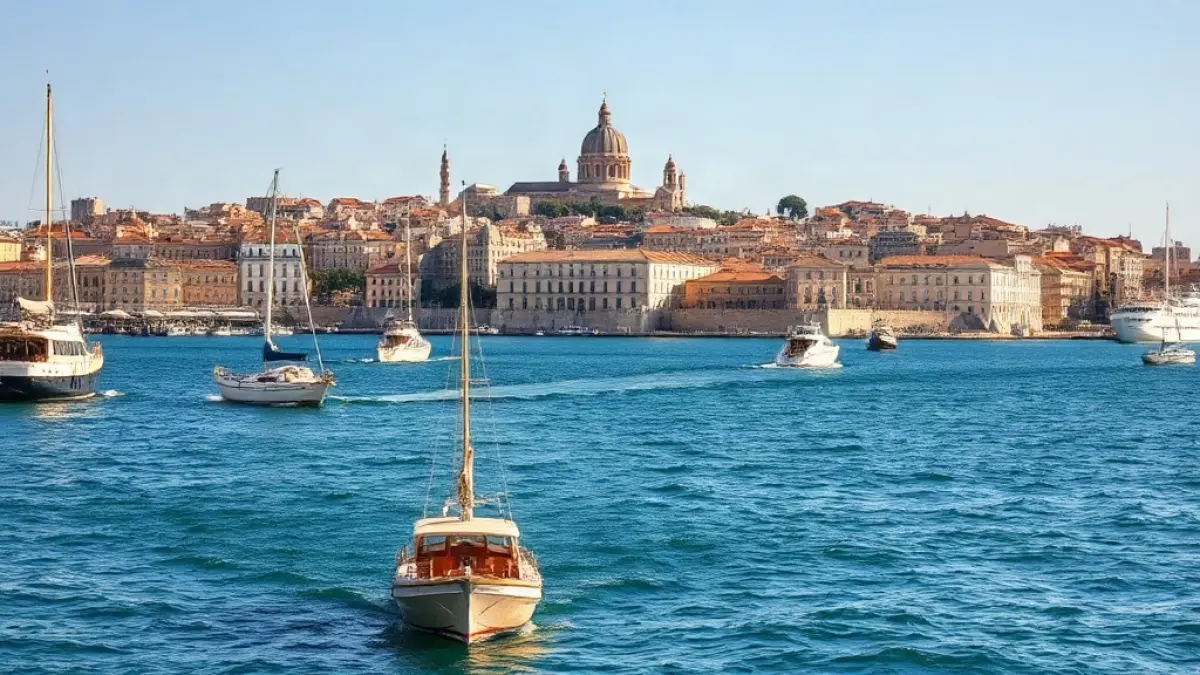
Ghanaian nationals can still apply for permanent residence in Malta, because Ghana is not among the 12 nationalities the Residency Malta Agency refuses to accept. The exclusion list is standing policy rather than a new decision, and the residence route it governs involves substantial costs: at least €99,000 in state fees before any property is paid for.
The Agency's rules, set out in its answers to frequently asked questions published in September 2024, also bar people with close ties to the listed countries. The Agency says it may revise the list at its discretion.
Key facts
- 12 nationalities are excluded from the Malta Permanent Residence Programme (MPRP); Ghana is not one of them
- Minimum state outlay before property: €99,000
- Property route: rent for €14,000 or more a year, or buy at €375,000 or more, held for at least five years
- Capital requirement: €500,000 (including €150,000 in financial assets) or €650,000 (including €75,000 in financial assets)
- Remote workers can instead seek the cheaper Nomad Residence Permit, which needs a gross income of €42,000 a year
Which nationalities cannot apply?
The Residency Malta Agency excludes applicants from Afghanistan, North Korea, Iran, DR Congo, Somalia, South Sudan, Sudan, Syria, Yemen and Venezuela, plus Russia and Belarus. Four of the 12 are African: DR Congo, Somalia, South Sudan and Sudan. The bar also applies to people with close ties to those countries.
Ghanaians who qualify gain the right to live in Malta permanently and can travel across the Schengen area without a visa for 90 days in any 180-day period. Ghana ranked fifth in Africa for Schengen visa rejections in 2024.
What does the Malta Permanent Residence Programme cost?
The MPRP is a residency-by-investment programme built around property investment and government contributions, and every application goes through due diligence checks. Under Malta's regulations, a non-refundable administration fee of €60,000 applies: €15,000 is due within a month of applying, and the balance within two months of approval in principle.
A government contribution of €37,000 follows, together with €7,500 for each adult dependant other than a spouse and a €2,000 donation to a registered Maltese non-governmental organisation. The contribution falls due within eight months of approval in principle. The donation goes to a local philanthropic, cultural, sporting, scientific, animal welfare or artistic body registered with the Commissioner for Voluntary Organisations.
Those elements together put the minimum outlay before any property at €99,000.
What are the property and capital rules?
Applicants must either rent a home for at least €14,000 a year or buy one at €375,000 or more, and hold the property for at least five years. They must also prove capital of at least €500,000, of which €150,000 is in financial assets, or €650,000 in capital with €75,000 of it in financial assets.
Each applicant needs a clean criminal record and health insurance cover, and every application must be submitted through a Licensed Agent.
Is there a cheaper route for remote workers?
Malta's Nomad Residence Permit requires a gross income of €42,000 a year, with a €300 application fee and €100 for the residence card. Nomad applicants must be 18 or older and work remotely for employers or clients outside Malta; they cannot take on work for companies registered in Malta or for people there.
The nomad permit lasts one year and can be renewed up to four years in all. Its exclusion list is the same as the MPRP's, except that Syria is not on it.
What this means for travellers
Nationals of Ghana and other non-excluded countries considering Malta should check whether their nationality, or their close ties, fall within the 12-country exclusion list before applying. Applicants then need to decide between the investment-heavy MPRP route and, if they work remotely for employers or clients outside Malta, the Nomad Residence Permit.
The Agency has not announced any planned change to the exclusion list, but states it may revise it at its discretion.
Also about:  Ghana