
 DominicaVisa-free
Dominica among five states facing EU deadline to end citizenship schemes
Dominica is one of five Caribbean nations warned by the European Commission to phase out citizenship-by-investment programmes or risk losing Schengen visa-free access. St Kitts and Nevis has already agreed to wind its scheme down.
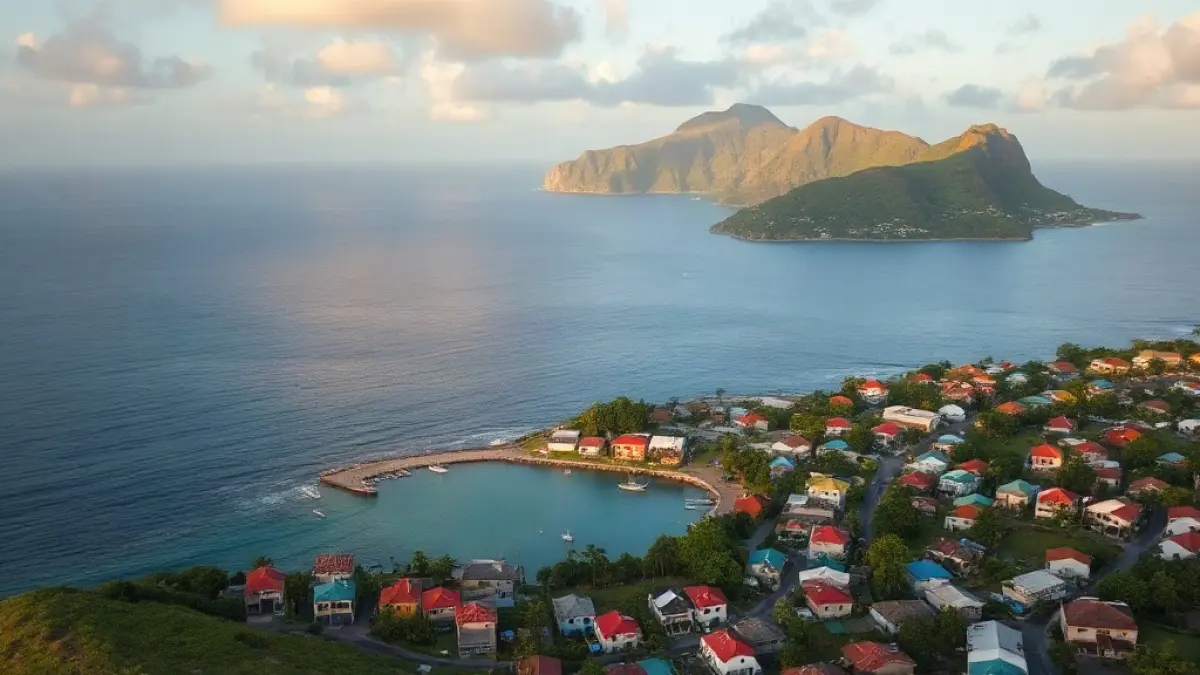
Dominica is one of five Caribbean countries that run citizenship-by-investment (CBI) programmes and have been warned they could lose visa-free access to the European Union's Schengen area unless the schemes are phased out. St Kitts and Nevis has become the first of the five to commit to closing its programme.
Key facts
- In June, the European Commission wrote to the five Caribbean nations running CBI schemes: St Kitts and Nevis, Dominica, Antigua and Barbuda, Grenada and St Lucia.
- Those countries may lose visa-free access to the 29-country Schengen area if they do not phase out their programmes.
- The EU deadline given to St Kitts and Nevis to phase out its programme is 1 June 2028.
- CBI programmes give wealthy foreigners citizenship and ultimately a passport in return for investment in infrastructure and other development projects.
- Dominica and St Lucia have replied to Brussels without publicly committing to end their programmes.
What is happening?
On Friday, St Kitts and Nevis prime minister Terrance Drew announced that he would wind down the country's CBI programme. The scheme, now 42 years old, was pioneered by St Kitts and Nevis and has brought billions of dollars into the country; in some years it accounted for the largest share of government revenue.
Drew blamed concerns about the programme on mismanagement by previous administrations, citing years of underselling to undercut other countries, a controversial prison project, weak escrow protections and investment sums that were not properly paid into the citizenship unit. He said his government had led major reforms of the Caribbean's programmes with international partners, including the US treasury.
Why is the EU pushing for change?
The European Commission warned the five governments in June that failing to phase out CBI could cost them visa-free travel to the Schengen area. Drew argued that continuing to run the programme risked both visa-free travel to parts of Europe and access to international banking, which could disrupt services allowing visitors to use overseas cards and families abroad to send money home. He said the CBI programme "did a lot of good, but it also created a danger", adding that relying on a single source for half or more of government spending left the country exposed.
What are the other Caribbean countries doing?
The five governments have taken different positions. Antigua and Barbuda has said it is willing to end its programme but is trying to negotiate a longer transition period. Grenada has indicated it wants its programme to continue until 2032. Dominica and St Lucia have responded to Brussels without publicly committing to ending their schemes.
Mark Brantley, premier of Nevis — which has autonomous self-governance in some areas — said he understood that the country was given very little choice, but did not support winding down the programme. He said the EU had offered no help with the transition and described the 1 June 2028 deadline as absurd.
What this means for travellers
For nationals of these five countries, and for anyone who has obtained citizenship through a CBI scheme, the practical consequence is a possible loss of visa-free entry to the Schengen area if the programmes are not phased out. The Nevis premier also warned of wider effects on access to international banking, paying with overseas cards and sending remittances.
St Kitts and Nevis plans to replace the revenue by strengthening tourism, yachting and digital and creative industries, with the sale of clean geothermal energy central to the plan; drilling and exploration are already planned. Drew said raising taxes was not part of the plan. Antigua and Barbuda is still seeking a longer transition, Grenada wants its programme to run to 2032, and Dominica and St Lucia have yet to publicly state whether they will close theirs.
Also about:  Antigua and Barbuda
 Grenada