
 Antigua and BarbudaVisas
US Restricts Tourist Visas for Antigua and Barbuda and Dominica
The United States has sharply restricted tourist visa issuance for Antigua and Barbuda and Dominica this year, with most applicants rejected. Separately, Eastern Caribbean states must end citizenship-by-investment passport sales by 2028 after EU complaints.
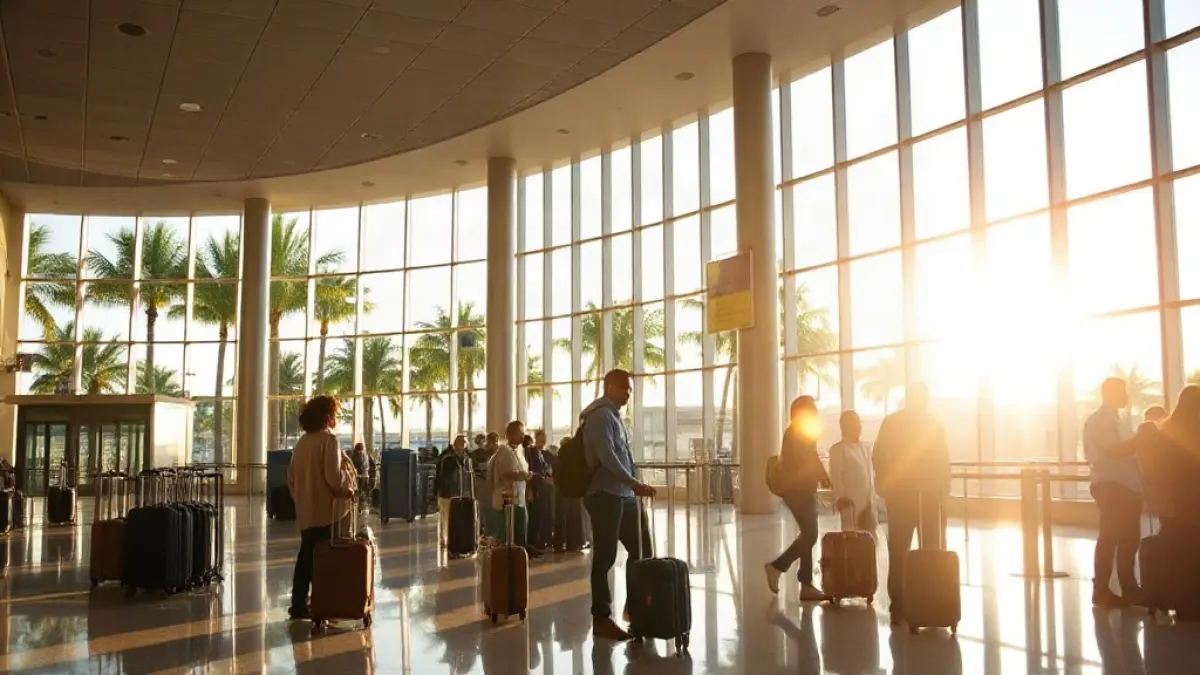
Travellers from Antigua and Barbuda and Dominica face severe difficulties getting United States tourist visas, with most applications from the two countries reportedly rejected this year. The restrictions, in place since the start of 2026, are one of two recent developments involving the U.S. and the European Union that have forced small Eastern Caribbean states to change course on issues they consider vital.
Key facts
- The U.S. has imposed severe restrictions on tourist visa issuance for Antigua and Barbuda and Dominica since the start of 2026.
- Most tourist visa applicants from both countries this year have been rejected by U.S. officials.
- Antigua and Barbuda dropped plans to vote at the United Nations to end the U.S. embargo against Cuba after a State Department call.
- Eastern Caribbean states taking part in citizenship-by-investment programmes must abandon the passport-sale schemes by 2028.
- The European Union complained that some applicants passed background checks who should not have.
What has changed for visa applicants?
Since the beginning of this year, the U.S. has penalised Antigua and Barbuda and neighbouring Dominica with severe restrictions on issuing tourist visas. Antiguan Prime Minister Gaston Browne said the measures were closely linked to his country's refusal to accept large numbers of U.S. third-country, non-national deportees. Latest reports indicate most tourist visa applications from the two countries this year have been turned down by U.S. officials.
Why did Antigua and Barbuda change its UN vote?
Browne said his administration cancelled plans to join dozens of other nations in voting at the United Nations to end the decades-old U.S. embargo against Cuba. He said a senior State Department official warned his government of difficulties its nationals would face if the vote went ahead.
Browne said the State Department told him negotiations were making progress and that support for Cuba would undermine them. He said instructions were sent to Antigua and Barbuda's ambassador in New York to abstain, although the ambassador did not show up. "It's not something we have any control over," Browne said.
His administration has been resisting U.S. pressure to accept relatively large numbers of deportees, citing security concerns in a nation of just over 100,000 people.
What is happening to citizenship by investment?
Several member states of the Organisation of Eastern Caribbean States (OECS), part of the Caribbean Community, run citizenship-by-investment programmes that sell passports and citizenship to wealthy foreigners for a relatively small fee. Successful applicants gain local citizenship and passports and can then travel to countries they would not normally have been granted a visa for, using visa-free arrangements with the European Union and the OECS.
The EU has complained that a few people who should not have passed were cleared by the system of background checks. That is now forcing the participating nations to abandon the passport-sale schemes completely by 2028.
What this means for travellers
Nationals of Antigua and Barbuda and Dominica who need a U.S. tourist visa should be aware that most applications from the two countries have been rejected this year. The source does not state which visa categories are affected, how long the restrictions will last or how a rejected applicant can appeal, so travellers should confirm current requirements before making plans.
Anyone considering a citizenship-by-investment passport from an OECS state should note the programmes are due to end by 2028. No dates have been announced for winding them down, and the source gives no further detail on the EU's complaints.
Also about:  Dominica
 United States
 Cuba