
 ChadTravel
UNHCR: Sudan conflict still driving displacement into eastern Chad
UNHCR says security along the Chad-Sudan border remains a concern, with Wadi Fira, Ennedi Est and Ouaddaï affected by spillover from the conflict in Sudan. Armed clashes and aerial strikes continued in Sudan in late September 2026.
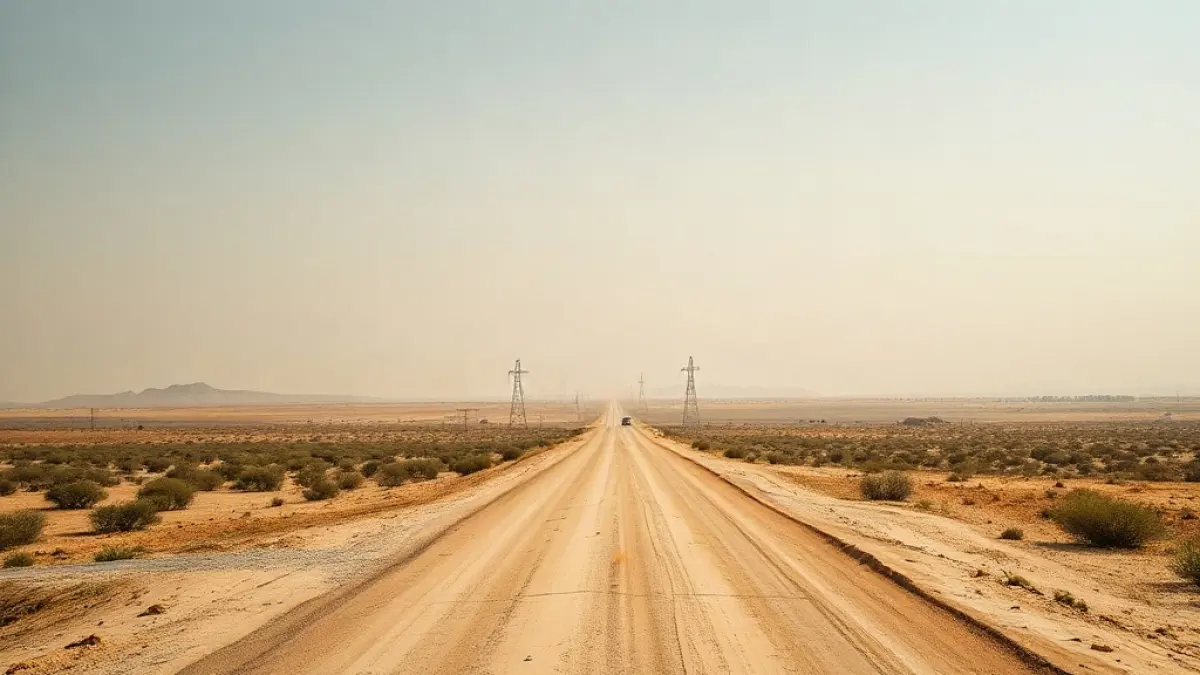
The security situation along the Chad-Sudan border remains a concern, although conditions inside Chad are generally stable, according to UNHCR's Flash Update #58 on the Sudanese situation, dated 28 September 2026. The border provinces of Wadi Fira, Ennedi Est and Ouaddaï continue to feel the effects of the conflict in neighbouring Sudan, which keeps pushing people to seek safety in Chad and affects border communities and humanitarian operations.
Key facts
- Border provinces affected: Wadi Fira, Ennedi Est and Ouaddaï
- Recent clashes reported in North Kordofan, North Darfur and South Darfur
- Residents of Nyala, South Darfur, reported renewed aerial strikes on 27 September
- Below-average rainfall and water scarcity are also driving displacement
- Source: UN High Commissioner for Refugees (UNHCR), Flash Update #58, 28 September 2026
Where is the insecurity concentrated?
UNHCR reports continued insecurity and armed clashes in several parts of Sudan, including North Kordofan, North Darfur and South Darfur. As hostilities continue and frontlines shift, civilians face protection risks and new waves of displacement.
In Nyala, South Darfur, residents reported renewed aerial strikes on 27 September, after a period of relative calm. UNHCR highlights risks including injuries and loss of life from hostilities, forced displacement, disrupted livelihoods and reduced access to essential services, and says humanitarian actors are concerned about the impact of intensified military operations on civilians.
What else is driving people towards Chad?
Beyond the conflict, several regions of Sudan are experiencing worsening climatic conditions: below-average rainfall, degraded grazing land and growing water scarcity are undermining livelihoods, particularly for communities dependent on agriculture and livestock.
New arrivals interviewed at the border frequently cited insecurity and the loss of livelihoods it caused as the reasons for leaving. Insufficient rainfall and drying water sources have further eroded livelihoods, UNHCR says, adding to movements towards safer areas, including eastern Chad.
What this means for travellers
The report describes continuing insecurity and shifting frontlines along the Chad-Sudan border and inside Sudan, as well as disrupted humanitarian operations and services in affected areas. Anyone planning travel to or through the border provinces of Wadi Fira, Ennedi Est and Ouaddaï should weigh that ongoing insecurity and follow updates on the situation.
UNHCR's Flash Update #58 covers developments up to 28 September 2026; the report states no arrival figures, entry-rule changes or new travel procedures.
Also about:  Sudan