
 BangladeshTravel
Travellers face closed roads and rail lines as Bangladesh shutdown sparks clashes
A nationwide lockdown called by the banned Awami League shut parts of Bangladesh on 19 November 2026 amid clashes, bomb blasts and arson, as supporters demand the government reverse its refusal to issue exiled Sheikh Hasina a passport.
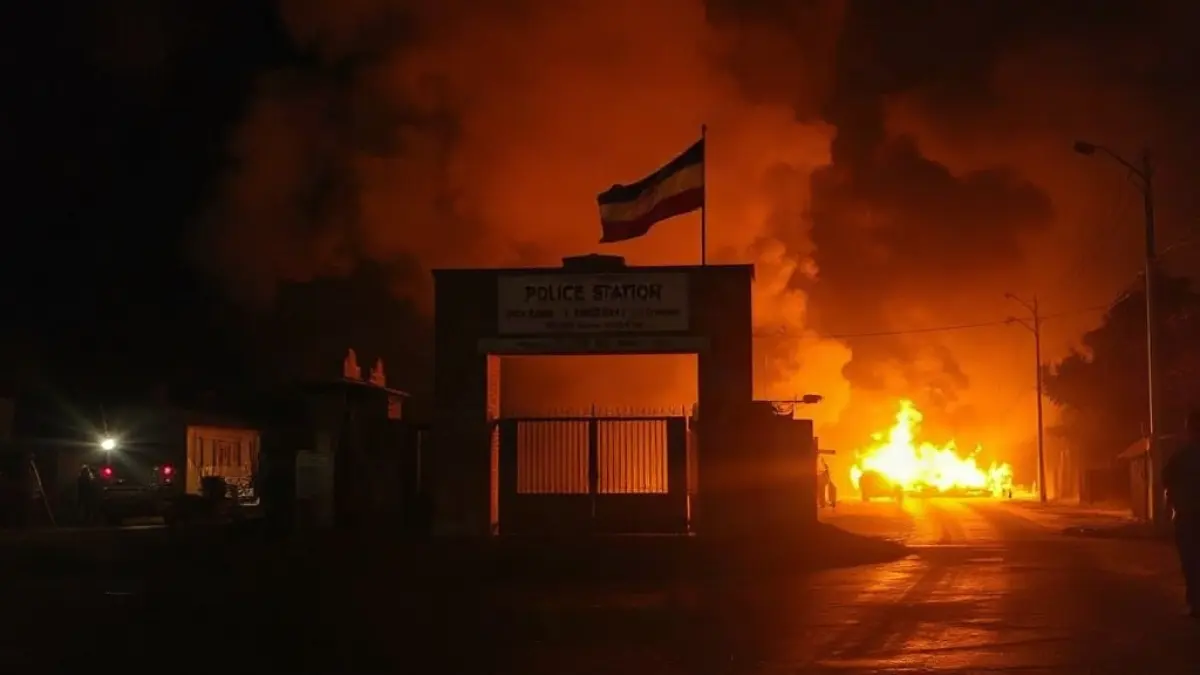
Parts of Bangladesh were brought to a standstill on 19 November 2026 as supporters of former prime minister Sheikh Hasina staged a nationwide shutdown, sparking clashes, crude bomb blasts and arson attacks across several districts. The unrest is directed at the government's refusal to give Hasina a new passport and identity card needed for her planned return in December.
Key facts
- The Awami League called a week-long protest programme culminating in a nationwide lockdown on Thursday 19 November 2026
- The government has rejected Hasina's request for a new passport and identity card
- 97 platoons of the Bangladesh Border Guard were deployed across seven districts
- Police reported crude bomb blasts and vehicle fires in at least 28 districts over 10 days
- At least 37 Grameen Bank branches and offices have been hit by arson or attempted fires since 10 November
- Hasina has been in exile in India since August 2024 and plans to return in December
What is happening and where?
Supporters of the banned Awami League held marches and rallies that ended in violence, with bomb blasts and vehicles set alight. The ancestral home of former interim leader Muhammad Yunus in Chattogram, about 300km (186 miles) south-east of Dhaka, was set on fire late on Wednesday. Police said flammable substances were likely thrown into an unused ground-floor room and that Yunus's paternal family members, who live upstairs, are safe.
Police also reported a crude bomb exploding outside the Dhaka home of cultural affairs minister Nitai Roy Chowdhury on Tuesday night, while a Bangladesh Nationalist Party (BNP) lawmaker's house and shops owned by BNP supporters in Gopalganj were set alight. A BNP activist was allegedly killed by unidentified people during a protest near Gopalganj late on Tuesday, and on Wednesday morning a bus company helper burnt to death in Pirojpur after two buses were set on fire. On Thursday, police detained former education minister Nurul Islam Nahid at his Dhaka home over charges relating to killings during the 2024 protests.
Why are the protests happening?
Hasina has lived in exile in India since fleeing Dhaka in August 2024 after violent protests demanded her resignation. She asked for a new passport and identity card to facilitate her return, and her supporters are demonstrating against the government's rejection of that request. Tuesday also marked a year since a local court sentenced her to death after finding her guilty of ordering a deadly crackdown on a student-led uprising in 2024.
Home minister Salahuddin Ahmed accused Awami League leaders abroad of inciting supporters to destabilise Bangladesh and torch property, and said those involved in the violence would be identified and prosecuted. Awami League leaders, most in hiding, could not be reached for comment.
What this means for travellers
The shutdown closed parts of the country on Thursday, and the Bangladesh Border Guard has deployed 97 platoons across seven districts, including Gopalganj and Faridpur, to deter further violence. Travellers already in Bangladesh or planning journeys through the affected districts should expect disruption and follow local guidance.
The Awami League's protest programme runs to a planned return by Hasina in December; no further official travel restrictions are mentioned in the available reporting.
Also about:  India