
 VietnamVisas
Travellers to Vietnam gain easier visa-free visits and long-stay trial options in 2027
Vietnam's National Assembly has approved a resolution opening the way to broader visa-free entry and controlled trials of visa and residency rules for remote workers and long-stay medical and wellness travellers. It takes effect on 1 January 2027.
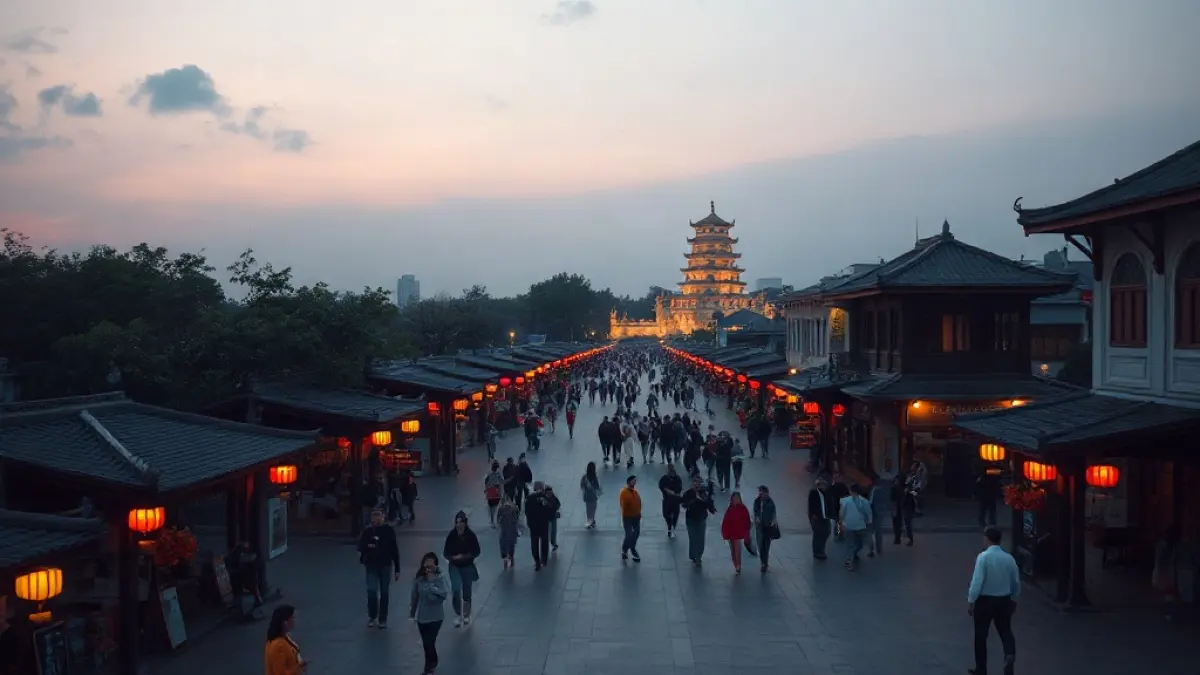
Vietnam's National Assembly has passed a resolution that points to wider visa-free entry for visitors from priority markets and a controlled trial of visa and residency rules for remote workers and long-stay medical and wellness travellers. The measure, part of a wider package to make tourism a key economic sector, applies from 1 January 2027.
Resolution No. 59/2026/QH16 was approved by 468 of 480 delegates during the second session of the 16th National Assembly. It runs until 31 December 2036 and puts into law a Politburo resolution on making tourism a key economic sector.
Key facts
- Effective: 1 January 2027 to 31 December 2036
- Approved: by 468 of 480 National Assembly delegates
- Visa exemptions: to be expanded for key source markets and markets with strong growth potential and high spending power
- Pilots: visa and residency rules for remote workers and medical, rehabilitation and wellness visitors
- Not yet specified: which countries qualify, permitted stay lengths and pilot requirements
What is changing?
The resolution directs the government to expand bilateral visa exemptions for key source markets and for markets seen as having strong growth potential and high spending power. Visa policy is to be tailored market by market.
Priority goes to long-stay visitors and repeat visitors, as well as travellers combining a trip with official business, conferences or international seminars. The resolution also calls for controlled pilots of visa and residency policies for foreigners working remotely, and for visitors travelling for medical treatment, rehabilitation, resort stays and extended health and wellness care.
What has not been decided yet?
Reports of the resolution do not specify which countries would qualify for the expanded exemptions, how long visitors could stay, or what the pilot schemes would require. Those details have not been announced.
Why is this happening?
The visa measures form part of a 14-article package aimed at making tourism a key economic sector. The wider package also covers investment incentives, support for small tourism businesses and community-run tourism, and a pilot allowing some entertainment venues to operate around the clock.
Vietnam received nearly 21.17 million international visitors in 2025, up 20.4 per cent year-on-year. Arrivals in the first 10 months of 2026 reached 19.5 million, up 13.8 per cent year-on-year and about 78 per cent of the 25 million target for 2026.
What this means for travellers
Travellers planning trips to Vietnam should watch for the government's follow-up decisions, since the resolution itself does not list the countries covered or the length of stay allowed under the expanded visa exemptions. Remote workers and people travelling for medical treatment, rehabilitation or extended wellness stays should likewise wait for the details of the planned pilots before making long-term arrangements.
The resolution applies nationwide from 1 January 2027, with Hà Nội, HCM City and Đà Nẵng prioritised as growth hubs alongside tourism centres and national tourist areas.