
 JapanVisas
Myanmar job seekers in food service face Japan entry freeze with no end date
Japan's April suspension of new foreign worker admissions in the food service sector is weighing most heavily on restaurants outside the major metropolitan prefectures, a survey of 113 companies found. No end date for the freeze has been announced.
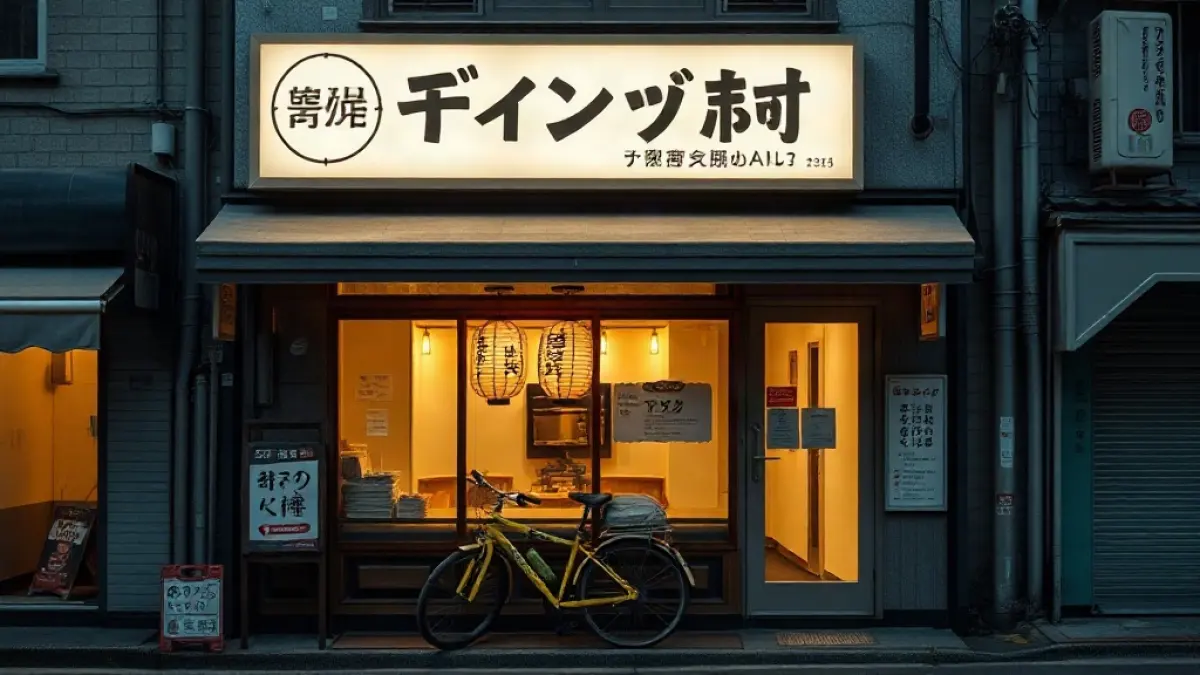
Restaurants across Japan are struggling to recruit staff after the government stopped approving new foreign workers for the food service sector in April, and the shortage is biting hardest outside the big cities. A survey released this week found that operators far from the major metropolitan areas report a much heavier recruitment impact than those in Tokyo and other large prefectures.
Key facts
- The government paused approvals for foreign workers in the restaurant industry in April 2026.
- The freeze applies to the specified skilled worker program, in the food service category, at Type 1 residency status.
- Approvals were paused as holders of that status in the category approached the upper limit of 50,000.
- 44.1% of restaurant operators outside the six major metropolitan prefectures reported a "very significant" recruitment impact, against 27.8% inside them.
- The survey, by Mynavi Global, covered 24 September to 20 October and drew responses from 113 companies.
What has changed?
In April, the government paused approvals for foreign workers in the restaurant industry. The specified skilled worker program grants a Type 1 residency status to foreign workers with designated skills, and the number of holders in the food service category was approaching the upper limit of 50,000. The source does not state when, or whether, the suspension will be lifted.
Who is affected?
The survey by Mynavi Global, a Tokyo-based company that supports foreign workers seeking employment in Japan, was released on Tuesday and covered 24 September to 20 October — six months after the suspension of new admissions took effect. It received responses from 113 companies.
Among restaurant operators outside Tokyo, Kanagawa, Chiba, Saitama, Osaka and Aichi prefectures, 44.1% said the suspension had made a "very significant impact" on their recruitment efforts. The comparable figure for companies in those six major metropolitan prefectures was 27.8%, pointing to a widening human resource gap between urban and regional areas. Nationwide, nearly 70% of respondents reported either a "very significant" or "somewhat significant" impact on recruitment.
What are the consequences for restaurants?
Regional operators told the survey that the labour shortage and rising personnel costs had forced them to scale back or alter their business operations, with some postponing plans to open new restaurants or facilities. The suspension is believed to have intensified competition for foreign workers and pushed more of them towards major cities, where wages are typically higher.
A restaurant in Kusatsu, Shiga Prefecture, which has two employees from Vietnam and Myanmar working in its kitchen, illustrates the difficulty. Its operator, Excellent, a company based in Kurashiki, Okayama Prefecture, had informally offered positions to two additional foreign workers just before the suspension took effect, but lengthy administrative procedures have prevented them from starting work. The company plans to hire two Vietnamese workers who are changing jobs by the end of this year.
Excellent president Hideki Toyota said the delayed hires "couldn't bring them on board in time for the Bon summer holiday season", adding that foreign workers, like others, head to Tokyo where hourly wages are higher.
What this means for travellers
Anyone planning to take up restaurant work in Japan under the specified skilled worker program should check whether new approvals are still paused before making arrangements, as the suspension remains in force and no end date has been announced. Foreign nationals already recruited but not yet started may face lengthy administrative procedures, and regional employers report that the freeze is making hiring harder outside the major cities.
 Vietnam
 Myanmar