
 United KingdomVisas
UK halts study visas for Cameroon, Myanmar, Sudan and Afghan applicants
The UK Home Office paused study visas for nationals of Cameroon, Myanmar, Sudan and Afghanistan in March 2026, and also paused skilled work visas for Afghans. Afghan women with UK university offers say they have lost places.
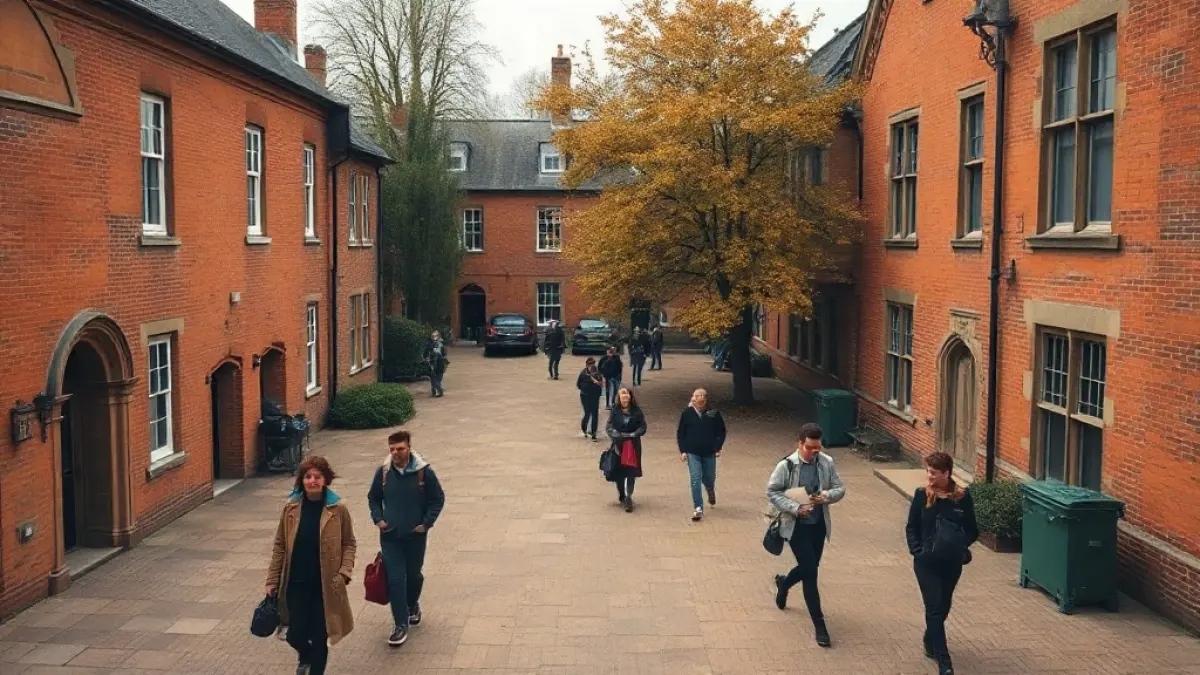
Applicants from Cameroon, Myanmar, Sudan and Afghanistan can no longer get UK study visas under an "emergency visa brake" announced by the UK's Home Office in March 2026. Skilled work visas for Afghan nationals were paused at the same time, leaving students who already held university offers without a route to enter the country.
Key facts
- The Home Office announced the suspension in March 2026
- Study visas are affected for nationals of Cameroon, Myanmar, Sudan and Afghanistan
- Skilled work visas for Afghan applicants were also paused
- The United States barred all visas for Afghan nationals earlier in 2026
- Fewer than 400 Afghan students were among more than 680,000 international students in the UK in 2024-25
Who is affected?
Any national of Cameroon, Myanmar, Sudan or Afghanistan applying to study in the UK falls under the brake. Among them are women in Afghanistan who hold UK university places: Shahira Sadat, a software engineer in Kabul, had three acceptance letters for a masters in AI and machine learning from Sussex, Bradford and Northeastern University London and had been invited to a Chevening Scholarship interview before being told she would no longer be considered because she is from Afghanistan.
Alia, whose name has been changed, had offers for a digital media masters in the UK withdrawn. She is from the western city of Herat.
Why did the UK do this?
The Home Office said the move was a response to widespread visa abuse and had been triggered by a sharp rise in asylum claims made through these visa routes. Home Secretary Shabana Mahmood said she was acting "to refuse visas for those nationals seeking to exploit our generosity".
The Home Office said its policy aims to address disproportionate levels of student asylum claims and ease pressure on the system. It has previously said that between 2021 and September 2025, the number of Afghan asylum claims amounted to 95% of the study visas issued. It did not answer a question about how many Afghan students went on to claim asylum.
What alternative routes exist?
Asked about the suspensions, the Home Office pointed to the reopening of the UK Resettlement Scheme for refugees, "including Afghan women and girls", and said it was introducing named sponsorship and refugee study routes to give refugees a safe pathway to the UK. The department did not answer whether these routes would be open to women in Afghanistan who are not classified as refugees, or how many places would be available to Afghans.
What this means for travellers
Nationals of the four countries planning UK study should check their position before paying deposits or making travel plans, as applications under the affected routes are being refused. The source gives no date for the pause to be lifted and no fee, deadline or application procedure for the alternatives the Home Office named.
Applicants from Afghanistan also face practical barriers before reaching the visa stage: the women interviewed described power cuts and the nationwide internet shutdown ordered by the Taliban's supreme leader in September 2025, difficulties sitting English language tests, and trouble finding countries that will admit Afghan nationals so they can attend a visa appointment. Opportunities to study in Europe, Asia and elsewhere still exist, but those interviewed fear other countries will follow the US and UK.
There is no published review date for the policy, and the Home Office has not said how long the suspension will last.
Also about:  Afghanistan
 Cameroon
 Myanmar
 Sudan
 United States