
 Timor-LesteVisas
Timorese Workers Abroad Face Tied Visas, Low Pay and Few Protections
Timorese working overseas on temporary and employer-tied visas report low pay, wage theft and restricted job changes in Australia, South Korea and Singapore. An analysis says stronger protections abroad and opportunities at home are needed.
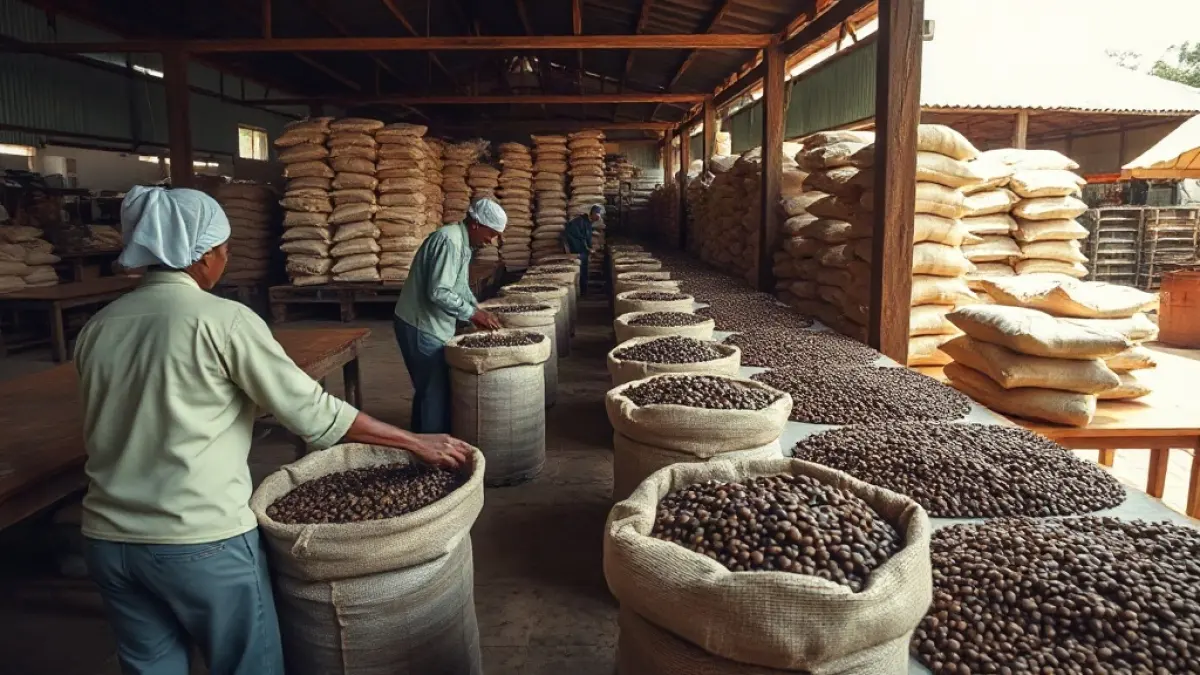
Timorese heading overseas for work face restrictive visa systems, limited job mobility and weak labour protections that leave them open to exploitation, according to an analysis by Sara Niner of Monash University. The conditions matter for anyone from Timor-Leste planning to work abroad, as overseas employment has become a major source of national income.
Key facts
- As of 2020, approximately 50,000 Timorese migrants lived abroad, mainly in Indonesia, Australia, the United Kingdom, Portugal and South Korea.
- More than 70 per cent are working-age men, and 48 per cent cite employment as their main reason for migrating.
- Remittances contributed US$181.9 million to the economy in 2025, received by one in five Timorese households.
- Petroleum exports ceased in June 2025, making labour effectively Timor-Leste's largest export.
- Timor-Leste acceded to ASEAN in October 2025, opening new labour markets in Southeast Asia.
Where does the money come from?
By comparison with remittance income, 2025 non-oil goods exports totalled US$48 million, while services exports reached US$147 million, driven mainly by tourism. Remittances finance everyday essentials and support small-scale entrepreneurship, alongside cash, in-kind gifts and skills gained overseas.
Limited domestic job opportunities stem from what the analysis describes as a low skills base, high operating costs and a small domestic market. The state therefore encourages workers to go abroad where wages are substantially higher, though ASEAN accession could also increase competition for the limited number of better-paid jobs at home.
What is the situation in destination countries?
In Australia, one in six recent migrants are paid below the legal minimum wage. Labour law experts cited in the analysis argue that workers on temporary visas are excluded from social and health services despite paying taxes, and have restricted employment and residency rights.
South Korea's Employment Permit System limits how often migrants can change employer, which human rights advocates say can trap workers in abusive environments. Migrant labourers make up roughly 3.5 per cent of the national workforce but accounted for about 13 per cent of workplace fatalities, concentrated in construction and manufacturing. A dedicated abuse reporting option launched in May 2026 in 20 languages led to an immediate rise in complaints over wage arrears and mistreatment.
Singapore uses employer-tied visas within a tightly regulated system, and civil society organisations highlight wage theft, contract substitution and limits on switching employers.
What changes are being called for?
The analysis argues that governments benefiting from migrant labour should give these workers the same protections and working conditions as their own citizens. International experts agree that visas tying migrants to a single employer are a key source of precarity, and changing that one condition would remove conditions for serious mistreatment.
What this means for travellers
Timorese considering work in Australia, South Korea or Singapore should check the conditions attached to their visa before accepting a job, particularly whether it ties them to one employer. Those already abroad who face wage arrears or mistreatment can use South Korea's reporting option introduced in May 2026.
The analysis also calls for opportunities for returning workers to apply their skills at home, so that migration delivers lasting development benefits rather than only short-term income. No new visa rules or entry requirements for Timor-Leste were announced.
Also about:  Indonesia
 Australia
 United Kingdom
 Portugal
 South Korea
 Singapore