
 AustraliaVisas
Timor-Leste travellers to Australia face 25,000 cap and four-month work rule
Australia has raised the cap on third-year Working Holiday Maker visas to 25,000 places and will require an invitation to apply from 1 March 2027. Regional work requirements rise from three to four months.
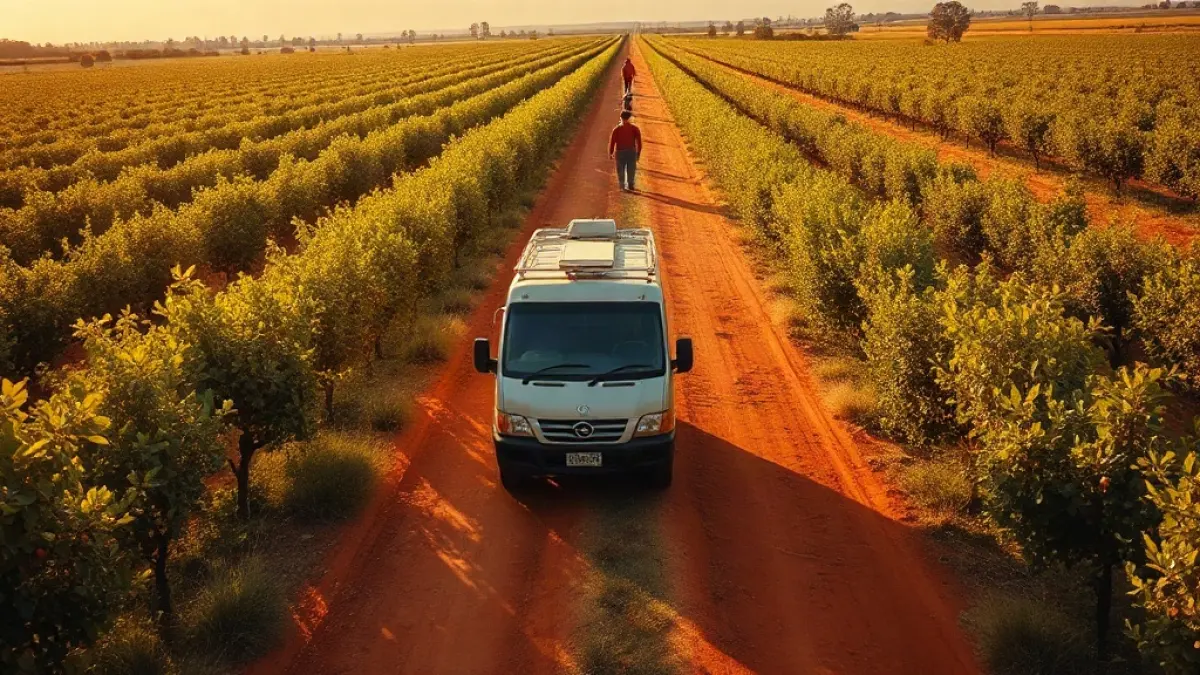
The Australian government has revised its planned Working Holiday Maker (WHM) visa restrictions after agricultural and regional industries raised concerns about access to seasonal labour. Home Affairs Minister Tony Burke announced a higher cap on third-year visas and a new invitation step for backpackers seeking extra years in the country.
Key facts
- Third-year visa cap raised from a proposed 5,000 to 25,000 places, compared with approximately 31,000 previously
- Second-year visas capped at 45,000
- From 1 March 2027, second- and third-year applicants must register and receive an invitation to apply
- Regional work requirement rises from three to four months (88 to 120 days)
- UK backpackers remain exempt from visa caps under a 2021 free trade agreement
What is changing?
Under the revised arrangements, the cap on third-year WHM visas will be 25,000 places — up from the 5,000 originally proposed, but below the roughly 31,000 in place previously. Second-year visas will be capped at 45,000.
The mandatory regional work backpackers must complete to qualify for a further year will also increase, from three months to four months, or from 88 days to 120 days.
When do the new rules start?
From 1 March 2027, anyone applying for a second- or third-year visa will need to register and receive an invitation to apply. Backpackers who finish their existing requirements by the end of February will be exempt from the new arrangements.
A ballot system, initially scheduled for November, has been postponed until early 2027. The government said that from December applicants can seek guarantees for subsequent visas, subject to completing regional work requirements.
Who is affected?
The changes apply to Working Holiday Maker visa holders seeking second- and third-year visas through regional work. UK backpackers remain exempt from visa caps under a 2021 free trade agreement. The government has maintained its net overseas migration target of 245,000 for 2026-27.
Why is this happening?
Victorian Farmers Federation (VFF) President Ryan Milgate said the increase in third-year places would let experienced workers return, though he warned caps could still affect workforce availability at harvest time. "When farms need workers, we need them urgently," he said.
The National Farmers' Federation (NFF) Horticulture Council went further, calling for the proposed caps and ballots to be withdrawn. Council Chair Paul Burke disputed claims that the revised plan would increase labour availability, saying the program would deliver "nearly 700,000 fewer days of specified work" in regional Australia than was needed last year.
The Council asked the government to publish its calculations on regional workdays and remaining visa allocations for the current financial year, and called for further discussions involving government, industry, unions, Pacific Nations and Timor-Leste on migration arrangements for horticultural employers.
What this means for travellers
Backpackers planning a second or third year in Australia should note the longer work requirement — 120 days instead of 88 — and the new register-and-invite step applying from 1 March 2027. Those finishing the old requirements by the end of February will be exempt.
The ballot system has moved to early 2027, and the NFF Horticulture Council is still pressing for the caps and ballots to be scrapped, so further changes remain possible.
Also about:  United Kingdom
 Timor-Leste