
 Saudi ArabiaTravel
Riyadh flights mostly halted since 10 October after Houthi attacks on airport
Flying into Riyadh has been mostly impossible since 10 October following deadly Houthi attacks on the capital's airport, while missile interceptions sound over the city almost daily and Saudi Arabia has cancelled high-profile events this year.
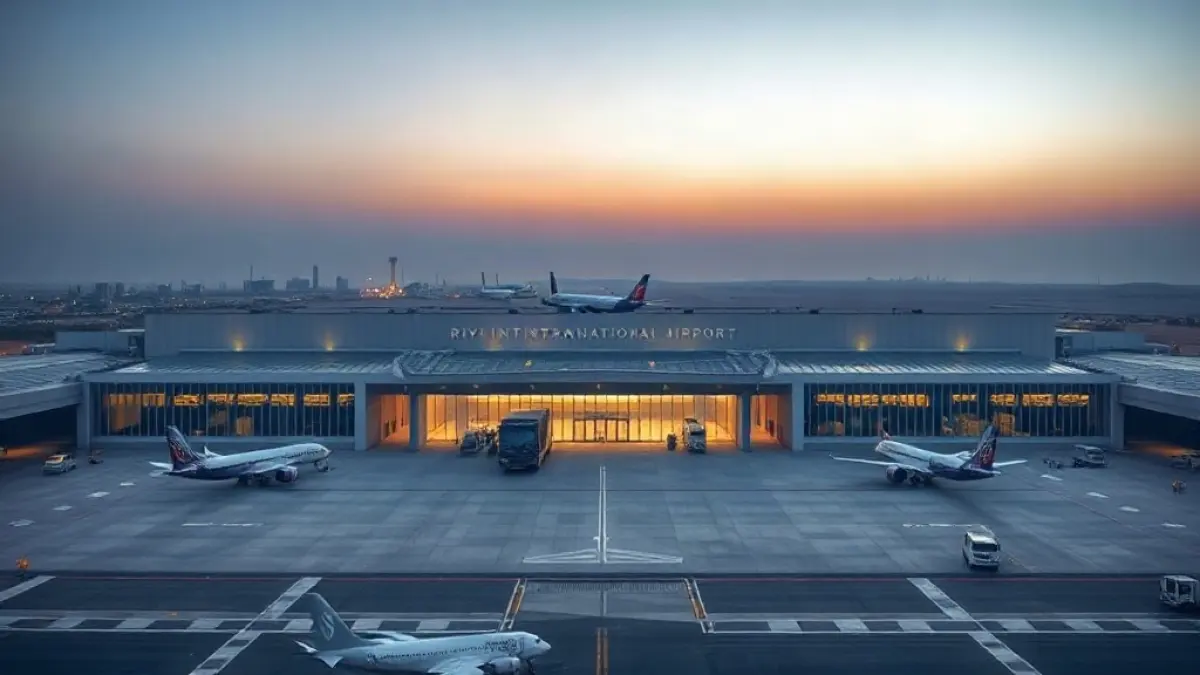
Flying into the Saudi capital Riyadh has been mostly impossible since 10 October, when deadly Houthi attacks struck the airport. The war in Yemen has effectively reached Riyadh's doorstep, with the sound of missile interceptions ringing out over the city almost daily.
The disruption comes as Saudi Arabia presses ahead with a tourism and economic overhaul built around mega-projects, and as the kingdom faces the possibility of further attacks if the U.S. and Israel renew strikes on Iran after an election due the following day.
Key facts
- Flights into Riyadh have been mostly impossible since 10 October, after deadly Houthi attacks on the airport
- Missile interceptions are heard over the capital almost daily
- High-profile events in Saudi Arabia have been cancelled this year because of the attacks
- Crown Prince Mohammed bin Salman is spending billions on infrastructure for Expo in 2030 and the FIFA World Cup in 2034
- The Houthis are blocking Saudi oil tankers at the mouth of the Red Sea and targeting refineries and oil fields
What is happening to travel in Saudi Arabia?
The Houthi attacks on the airport have made flying into Riyadh largely unworkable since 10 October. The attacks have also forced Saudi Arabia to cancel high-profile events this year. Elsewhere, the Houthis are blocking Saudi oil tankers at the mouth of the Red Sea and targeting refineries and oil fields.
The Houthis say these actions are a response to deadly Saudi airstrikes and a long-running blockade on Houthi areas of Yemen. Saudi Arabia went to war in Yemen more than a decade ago; the Houthis are supported by Iran, a longtime rival of the kingdom.
Are the tourist and transport projects affected?
Crown Prince Mohammed bin Salman wants millions of tourists to visit Riyadh, ride the metro and spend money in the city, as part of a wider plan to overhaul the economy. The kingdom is spending billions on infrastructure to host the World's Fair (Expo) in 2030 and the FIFA World Cup in 2034.
The Riyadh Metro, which opened two years ago as the newest metro system in the world, is one of those projects. The fully driverless network cost more than $20 billion to build, and a two-hour ticket in any direction costs four riyals, about one dollar. Women have only been allowed to drive in Saudi Arabia since 2018.
Abdulelah Alsheikh, the Saudi country director for the engineering and consultancy firm Jacobs, said the government has been re-prioritising programmes and projects to focus on what needs to be delivered. "Without a stable region, you cannot have a stable economy and growth," he said, adding that the disruption is a short-term challenge and that Saudi Arabia remains committed to hosting the Expo and the World Cup.
What this means for travellers
Anyone planning to fly into Riyadh should check the current status of flights before booking or travelling, since arrivals have been mostly impossible since 10 October and no reopening date is given. Travellers in the capital should also expect missile interceptions overhead almost daily, and some events in the country have already been cancelled this year.
Abdulaziz Sager, who heads the Gulf Research Center, said securing Saudi Arabia's southern border with Yemen remains a top priority, and described U.S. unpredictability as the biggest challenge facing the region. He noted that the Gulf has seen wars before and that its people have the ability to live with the situation.
With the possibility of renewed U.S. and Israeli strikes on Iran, further disruption to Saudi Arabia's plans — and to travel in the kingdom — cannot be ruled out. No timetable has been announced for the resumption of normal flights into Riyadh.
 Yemen
 Iran