
 Saudi ArabiaTravel
Britons in Saudi get overland exit guidance as UK widens its travel warning
The UK Foreign Office now advises against all but essential travel to almost all of Saudi Arabia after strikes on two international airports killed and injured people and disrupted flights. British travellers have been given guidance on leaving the country by land.
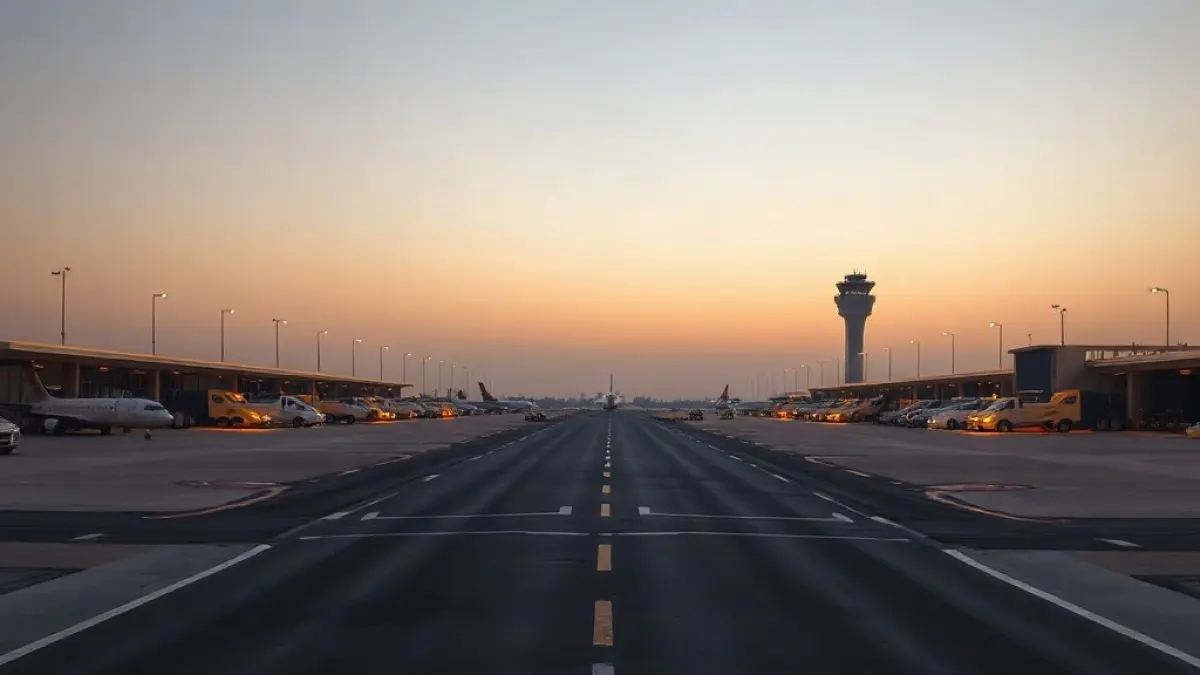
The UK's Foreign, Commonwealth and Development Office (FCDO) has widened its warning on Saudi Arabia, advising against all but essential travel to almost the entire country. The updated guidance, issued on 17 October 2026, follows strikes on two of the country's main civilian international airports that killed and injured people and disrupted flights.
Key facts
- The FCDO advises against all but essential travel to almost all of Saudi Arabia, up from only certain cities and areas a few weeks earlier
- The FCDO continues to advise against all travel to within 10km of the Yemen border
- An attack on King Fahd International airport in Dammam on 21 October 2026 killed two people and injured eight
- A strike on King Khalid International airport in Riyadh on 10 October 2026 killed at least 13 people and injured hundreds
- Houthi missiles and drones have targeted areas of Saudi Arabia since 13 July 2026
What has happened at Saudi airports?
Two people were killed and eight injured in an attack on King Fahd International airport in Dammam on Wednesday 21 October 2026, according to the country's aviation authority. Those who died included a Saudi citizen and an Indian national, and injuries ranged from minor to serious.
The strike led to many flights being cancelled and others diverted on the day, but the aviation authority said airport operations had returned to normal as of Thursday 22 October 2026, while damage from the attack was still being assessed.
That attack followed a strike on King Khalid International airport in Riyadh on 10 October 2026 that killed at least 13 people and injured hundreds, plus another strike at the same airport the following day that killed one more person. The FCDO says the Riyadh airport "continues to be targeted and remains at risk of further attacks".
What is the UK government advising?
The FCDO advises against all but essential travel to almost the whole of Saudi Arabia, a change from a few weeks earlier, when only certain cities and areas carried that warning. It continues to advise against all travel to within 10km of the Yemen border.
The FCDO says that since 13 July 2026, the Houthis have launched missiles and drones at several areas of Saudi Arabia, and points to a heightened threat against airports, Saudi military and defence buildings, military bases, ports and energy infrastructure in Abha, Jizan, Najran, Riyadh, Jeddah, Dammam and Yanbu, as well as shipping in the Red Sea. It also notes the possibility of renewed attacks by Iran in addition to the Houthi threat.
Are flights still operating?
Flights are departing from Saudi Arabia. The FCDO advises travellers who choose to fly to confirm their booking and check the status of their flight before leaving for the airport, to stay alert and to follow instructions from local authorities.
Operations at King Fahd airport had resumed as of Thursday 22 October 2026. Saudi airlines have been operating from King Khalid airport in Riyadh since Wednesday, while Air France, British Airways and Lufthansa are among major carriers that have suspended flights.
How can I leave Saudi Arabia without flying?
The FCDO says British nationals who want to leave should consider travelling by land to a neighbouring country and flying from there. It advises planning the journey carefully, checking travel advice for the country being travelled through and confirming entry and exit requirements so you have the correct documentation and are not denied entry.
Anyone travelling by car must use a vehicle that is wholly owned and registered in their name; vehicle authorisations can be issued through the Absher portal. Passengers using commercial transport should check updates from their airline or tour operator and confirm that the operator can carry them across the border, follow local authorities' instructions and check the status of border crossings before travelling. Travellers should carry emergency supplies, water and essential medication, and are told that travel within or out of Saudi Arabia is at their own risk.
What this means for travellers
British travellers should treat almost all of Saudi Arabia as an area where only essential travel is advised, and should avoid any travel within 10km of the Yemen border. The FCDO also advises staying away from oil infrastructure and military facilities, refraining from capturing or sharing images of conflict-related incidents, and following instructions from local authorities. Saudi Civil Defence may issue early warning alerts; people told to take shelter should move indoors to the nearest safe building or designated shelter, with an interior stairwell or a room with as few external walls or windows as possible offering more protection. The greatest risk is identified as falling debris from intercepts.
Travellers are urged to read the government's crisis abroad guidance, sign up for FCDO travel advice email alerts for Saudi Arabia, and monitor local and international media. Further attacks on airports, along with disruption and cancellations, are described as very likely, so flight status and border crossing conditions should be checked before any journey.
Also about:  United Kingdom
 Yemen
 India