
 PolandTravel
Poland Steps Up Border Security After Incident Near Kaliningrad
Poland says it thwarted a suspected provocation on its border with Russia's Kaliningrad exclave overnight. Extra police, troops and counter-terrorism units have been deployed in the north-east amid warnings of possible sabotage in early November.
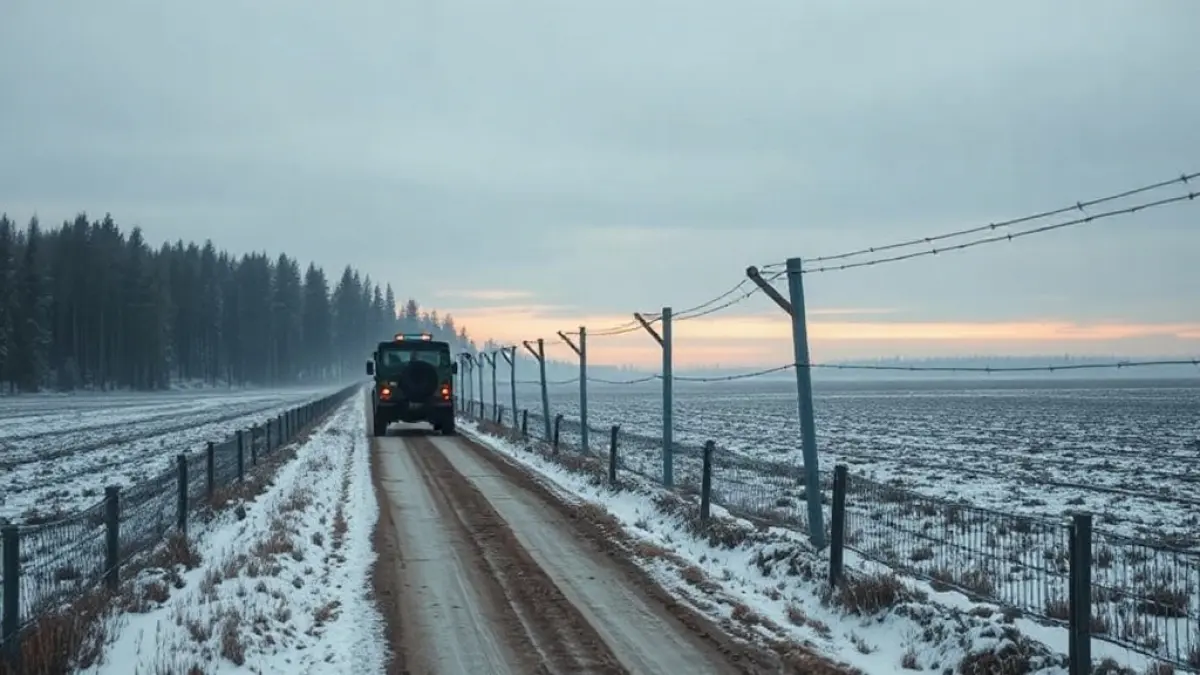
Polish Prime Minister Donald Tusk said on 3 November that Poland had prevented a suspected "provocation" on its border with the Russian exclave of Kaliningrad overnight. He gave few details but said Polish guards stopped any incident from happening.
Key facts
- The activity was reported just after midnight on the border in northern Poland
- Polish guards observed "individuals with flashlights" in the border area
- A special police-coordinated operation is under way in Warmia-Masuria and Podlaskie
- Extra police, troops and counter-terrorism units were sent to the north-east
- Authorities warned of possible sabotage, including an armed incursion, in early November
What happened?
Tusk said he was informed shortly after midnight of suspicious movement along the Polish-Russian border in the north of the country. "Individuals with flashlights" were observed in the border area, and Polish guards prevented any incident from happening, he told reporters.
Tusk said it could not be confirmed with full certainty that the incident was an attempted provocation. He also said Russia's intensified escalation would continue and was unlikely to be limited to this incident.
Where is security being stepped up?
Polish police, working with the military, border guards and intelligence services, have been carrying out additional activities to strengthen security along Poland's borders with Russia and Belarus, including near Kaliningrad. A police spokesperson said the preventive measures were being conducted in the north-eastern regions of Warmia-Masuria and Podlaskie.
On 3 November, Tusk confirmed a special operation coordinated by police was taking place in the two border regions. Additional police and other troops, including counter-terrorism units, were recently directed to the north-east after authorities received "more precise" information that acts of sabotage, including a potential incursion into Poland by armed people, were possible in the first half of November.
Why is this happening?
Tusk said Polish and allied services had been warning for some time that acts of diversion or more serious provocations on the border with Russia, or sabotage acts orchestrated by hostile services, could occur. He said he received further warnings about possible escalations from Alexus Grynkewich, NATO's Supreme Allied Commander in Europe, during a visit to Warsaw in October.
Poland, described as NATO's largest member on the alliance's eastern flank, borders Russia's Kaliningrad exclave to the north and Belarus to the east. Tusk has been warning for months that Russia might be preparing a more serious hybrid attack against a NATO country, citing intelligence from NATO, Ukrainian and US secret services, he said.
What this means for travellers
Travellers heading to or through Poland's north-eastern border regions should be aware that a police-coordinated security operation is under way there. The source does not state any changes to border crossings, entry rules or travel documents, and gives no end date for the operation.
No further details on next steps or dates to watch have been announced.
 Russia
 Belarus