
 PeruTravel
Lima's Restaurant Honours Raise the Stakes for 2027 Machu Picchu Tickets
Peru hosted The 50 Best Restaurants 2026 in Lima on 4 November, with three Lima restaurants in the global top 50. Travellers face capped Machu Picchu tickets and a new rule requiring separate site entry for Inca Trail hikers.
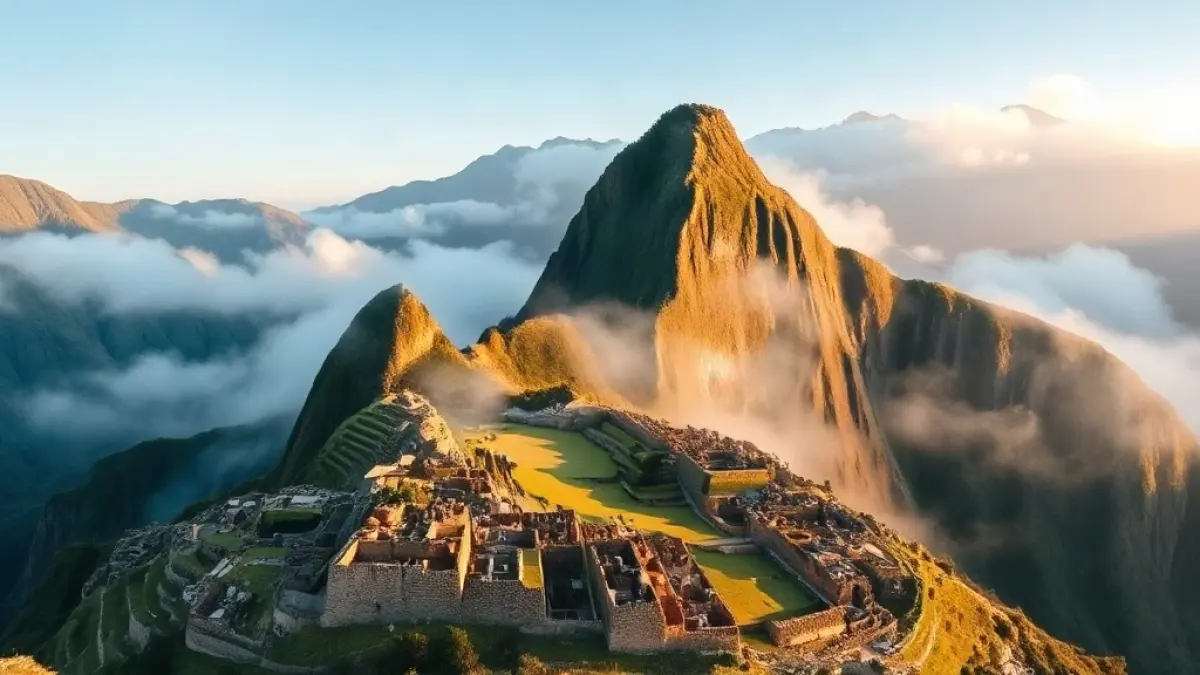
Lima hosted The 50 Best Restaurants 2026 ceremony at the Teatro Municipal de Lima on 4 November 2026 — the first time in the awards' 24-year history that the event has been held in South America. Three Lima restaurants placed in the global top 50, and the resulting attention is expected to tighten booking windows for Peru in 2027, particularly for Machu Picchu.
Key facts
- 4 November 2026: The 50 Best Restaurants ceremony held in Lima, with the 50 Best Talks on 3 November and collaborative dinners over several days
- Lima restaurants in the 2026 top 50: Kjolle (No. 7), Mérito (No. 13), Mayta (No. 45)
- Machu Picchu daily caps: 5,600 visitors on peak days, 4,500 on standard days
- Standard foreign-adult ticket: S/152 (about US$40); circuits including Huayna Picchu or Machu Picchu mountain: S/200 (about US$53)
- Since 2026, Inca Trail permits no longer include Machu Picchu entry
- US citizens need no visa for tourist stays of up to 183 days
What happened in Lima?
Spain's Asador Etxebarri, a wood-fire restaurant in the Basque region run by chef Bittor Arguinzoniz, took the No. 1 title. Lima dominated the middle of the list: Kjolle, the restaurant of chef Pía León, placed No. 7; Mérito, led by Venezuelan-born chef Juan Luis Martínez, placed No. 13; and Mayta, chef Jaime Pesaque's Andean-focused dining room, placed No. 45.
Central and Maido, which won the global No. 1 title in 2023 and 2025 respectively, have been retired to the Best of the Best hall of fame. The event now runs under the rebranded name The 50 Best Restaurants after the organisation adopted the umbrella brand The 50 in September 2026.
How hard is it to get Machu Picchu tickets?
Peru's Ministry of Culture caps daily visitors at 5,600 on peak days and 4,500 on standard days. There is no waiting list and no secondary purchase system through official channels: when a date is full, it is full. The first five available days of January 2026 sold out within 12 minutes of going on sale.
The government-run booking portal is tuboleto.cultura.pe. Third-party resellers commonly charge two to five times the official price. For travellers without a confirmed timed-entry ticket, the Ministry of Culture makes 1,000 tickets available each morning in Aguas Calientes for same-day access, but availability is not guaranteed.
What changed for Inca Trail hikers?
Since 2026, Inca Trail permits no longer include Machu Picchu entry. Hikers who book a permit through a licensed trek operator must buy their Machu Picchu ticket separately via tuboleto.cultura.pe. This applies to all Inca Trail circuits, including the Classic 4-day route. The trail closes every February for annual maintenance, and permits for the full year go on sale in January, historically selling out within hours.
What do US citizens need to enter Peru?
US citizens do not require a visa and may stay on a tourist basis for up to 183 days. A valid passport with at least six months of remaining validity and two blank pages is required. No vaccinations are mandatory for Lima, Cusco or the Machu Picchu circuit; a yellow fever vaccination is recommended if the itinerary includes Amazon jungle regions.
Is Peru safe, and when should travellers go?
The U.S. Department of State rates Peru at Level 2, Exercise Increased Caution, citing crime and civil unrest; the designation was last updated 4 September 2026. The Loreto department on the Colombia-Peru border and the VRAEM region in the southeastern jungle both carry Level 4 "Do Not Travel" ratings. Lima, Cusco, the Sacred Valley and Machu Picchu fall under the general Level 2 designation. The advisory flags express kidnappings in Lima and recommends app-based ride services such as Uber and Cabify rather than street taxis.
The dry season, May through September, is the standard planning target for highland Peru, with July and August the busiest and most expensive months. May and September offer a balance of dry weather and thinner crowds. The wet season runs roughly November through March, when the site stays open, trails are quieter and prices drop.
What this means for travellers
Anyone targeting a 2027 Machu Picchu visit should expect competition for tickets and plan around the daily caps, buying through tuboleto.cultura.pe rather than resellers. Inca Trail hikers must now budget for and purchase a separate Machu Picchu entry ticket. Travellers should also check whether their passport meets the six-month validity and blank-page rules before booking.
One infrastructure change will not help in the near term: the new Chinchero International Airport, 30 kilometres from Cusco, stood at 33 percent completion as of mid-2025 and its opening has been pushed to late 2027. Designed for about 7 million passengers annually, it would replace the current Alejandro Velasco Astete Airport. For 2026 and early 2027 trips, the existing Cusco airport remains the entry point.
Also about:  United States
 Spain