
 PeruTravel
Pope Leo XIV's Peru Visit: What Travellers Need to Arrange Before Going
Peruvian government agencies have issued guidance for travellers heading to events for Pope Leo XIV's visit to Peru, covering entry requirements, documents, bookings, ticket access and emergency contacts.
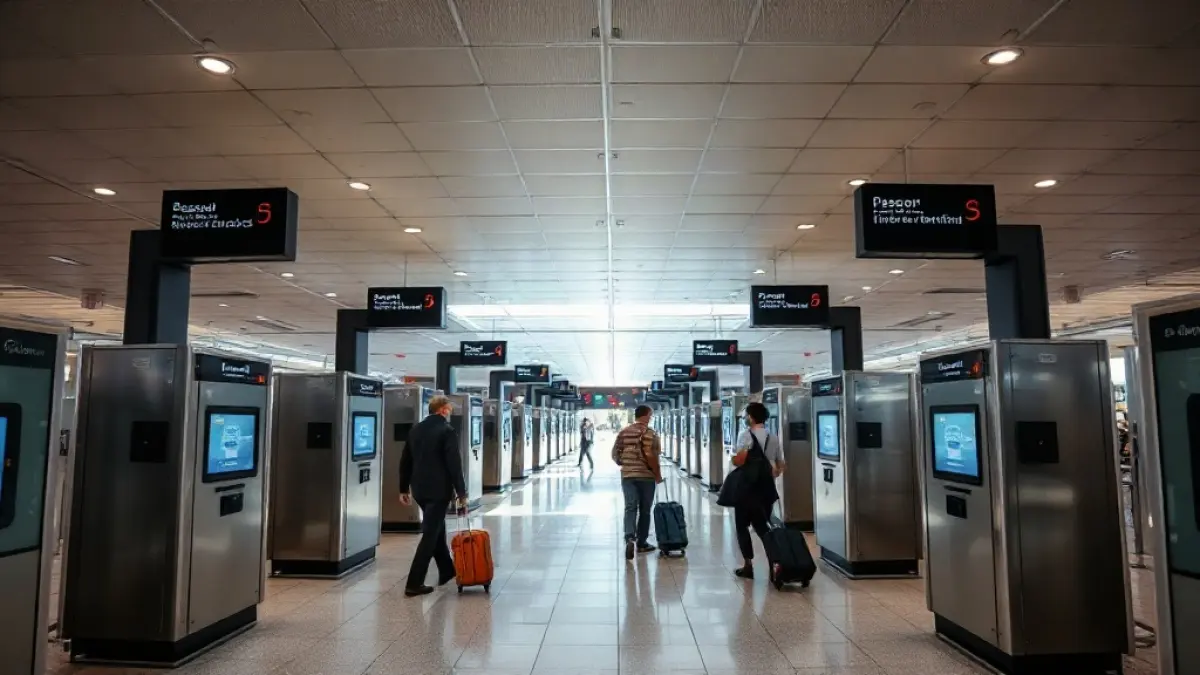
Travellers heading to Peru to follow Pope Leo XIV's visit should sort out entry requirements, travel documents and event access well in advance, according to guidance issued by Peruvian government agencies. The advice aims to help visitors avoid scams, logistical problems and unnecessary discomfort during the visit.
Key facts
- Foreign visitors must meet Peru's entry requirements, including visa rules that depend on nationality
- Some papal events require prior registration or advance, virtual ticket reservation
- Peru is experiencing the effects of the El Niño phenomenon, with heavy rainfall, flooding and rising temperatures
- Emergency numbers: SAMU medical care 106, fire service 116, National Police of Peru 105
What should travellers from abroad arrange first?
The government recommends that international visitors familiarise themselves with, and meet, all entry requirements for Peru. The Ministry of Foreign Affairs has a webpage setting out those requirements, including whether a visa is needed according to the traveller's nationality.
Travellers should also buy their travel tickets well in advance and read the terms and conditions carefully. Official websites can be checked for which items are permitted to bring into the country and which are prohibited, and the National Superintendency of Tax Administration (SUNAT) explains which goods must be declared on arrival.
What should you carry and check?
Everyone — Peruvian or foreign — should keep a national identity document or passport on them at all times. To avoid problems when moving between cities, the government also advises keeping a physical or digital copy or backup of air or land travel tickets.
When booking accommodation and transport, check the provider's details and make sure the written agreement lists the services to be delivered, their cost, the exchange rate applied if foreign currency is involved, and any event cancellation policies. The Ministry of Foreign Trade and Tourism keeps a National Directory of Qualified Tourism Service Providers, listing certified accommodation, travel and tourism agencies, restaurants, tour guides and tourist transport services.
Payments should go to accounts that actually belong to the service providers. Verification codes and passwords should never be shared during transactions.
What about routes and weather?
Travellers are advised to monitor the condition of the routes to their destinations and to check departure times and boarding points for air or land transport. The Superintendency of Land Transport of Persons, Cargo, and Goods (Sutran) offers an Interactive Alert Map with real-time information on the status of land routes across the country.
The National Observatory for Weather, Water, and Climate, run by the National Service of Meteorology and Hydrology (Senamhi), includes a section on weather conditions for the locations the Pope will visit.
How do you get into the papal events?
Through the organising entities, travellers should confirm scheduled times, the entry procedures — some events require prior registration or advance, virtual ticket reservation — and which items are allowed inside the venues. Restrictions and off-limits areas will apply during the events, and attendees are asked to follow instructions at the venues.
What if something goes wrong?
Admission to ceremonies involving the Pope is not necessarily included in accommodation or tour packages sold by travel agencies, so this should be verified before buying any package. Iperú provides official tourist information on attractions, routes, destinations and tourism service companies, and advises what to do if contracted services are not delivered as promised; the same information can be requested on WhatsApp at +51 944492314.
If services differ from what was contracted, travellers should demand an immediate solution from the provider and keep records of all payments. Unresolved complaints can be recorded in the provider's official Complaint Book (Libro de Reclamaciones) and reported to Indecopi through its Reclama Virtual portal.
For medical or health emergencies, the Mobile Emergency Care System (SAMU) answers on 106; other emergencies go to the General Fire Department on 116 and police-related emergencies to the National Police of Peru on 105.
What this means for travellers
Visitors planning to attend the events should confirm entry requirements for Peru, carry identity documents and ticket backups at all times, verify event registration rules before travelling, and check route and weather updates ahead of each journey. The government also advises consulting official sources before each event for the latest protocols and any changes to itineraries or schedules.