
 PeruTravel
Kuélap in Northern Peru Adds New Trail and Exhibits for 2027 Visits
The pre-Incan fortress of Kuélap in northern Peru will offer new exhibits at its Apu Chuillaxa visitors' centre and a newly opened trail at the Malcapampa dig in 2027. Chachapoyas, an hour north, has daily flights from Lima.
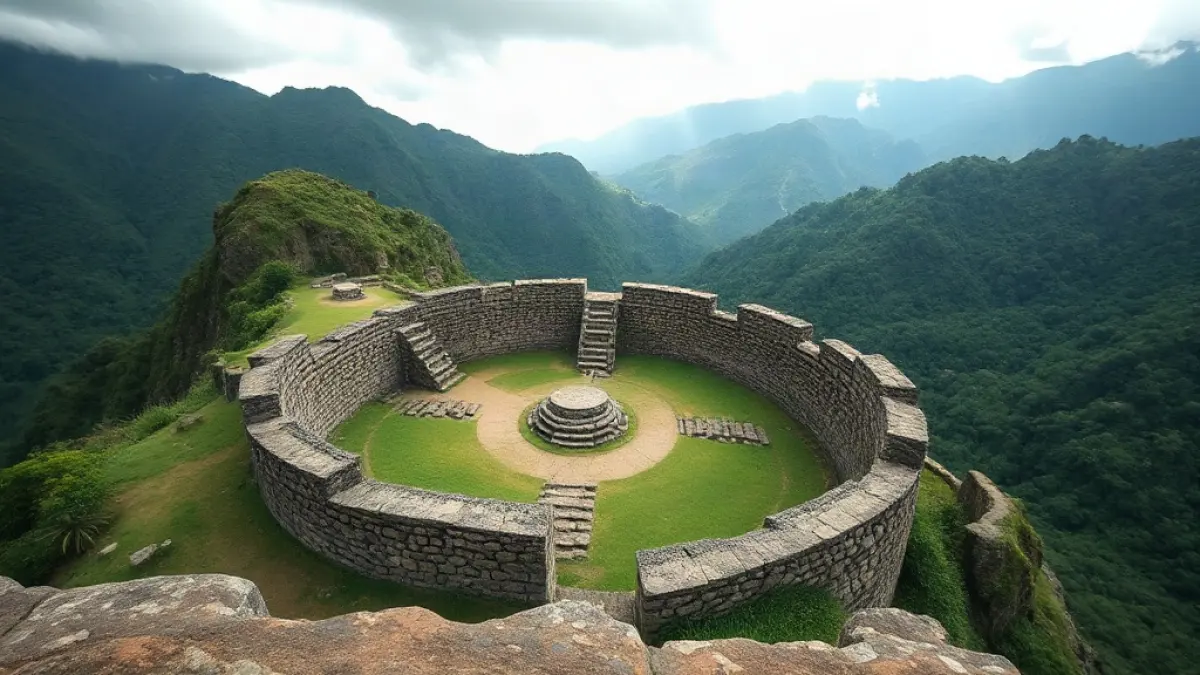
Travellers heading to northern Peru in 2027 will find more to explore at Kuélap, the pre-Incan Chachapoya citadel that predates Machu Picchu by roughly a thousand years yet draws far smaller crowds. New exhibits are due in the Apu Chuillaxa visitors' centre, and a new trail at Malcapampa, an active archaeological site, has been newly opened to the public.
Key facts
- 2027: new exhibits at the Apu Chuillaxa visitors' centre and a new trail at Malcapampa
- Site age: built by the Chachapoya people around 500 A.D. above the Utcubamba River
- Access: a tram from Nuevo Tingo reaches Kuélap in 20 minutes; it opened in 2017
- Nearest airport: Chachapoyas, an hour north of Kuélap, with daily flights from Lima
- Best conditions: dry season from May through October
What is changing for visitors?
Kuélap sits on a narrow limestone ridge high above the Utcubamba River, a setting compared to Machu Picchu's perch above the Vilcanota River. For 2027, the additions are the new displays in the Apu Chuillaxa visitors' centre and the Malcapampa trail, which gives access to a dig that is still being excavated.
When is the best time to go?
The warm, rainy season in these cloud forests runs from November to April. More than a thousand orchid species are in bloom during that period and the waterfalls run with extra volume. The cooler dry season from May through October brings better road conditions and drier trails, making it easier to reach archaeological sites around Kuélap.
What else is there to see nearby?
Several Chachapoya sites lie within a couple of hours' drive. The cliffside mausoleums at Revash are a half-hour walk from the village of Santo Tomás, and the Sarcophagi of Karajia are a half-hour walk from San Miguel de Cruzpata. The Lake of the Condors, a high-altitude lagoon, is usually reached on a three-day horse-packing trip with camping beside the lake; mummies recovered from nearby mausoleums are now displayed at the Leymebamba museum, which opened in 2000.
Wildlife watching includes the spatuletail hummingbird, often seen around Cocachimba, an hour north of Kuélap, and at Huembo Lodge. The endangered yellow-tailed woolly monkey may be seen at Owlet Lodge in the Abra Patricia Reserve, about three hours north of Kuélap. Waterfalls reachable on day hikes include Gocta, a three-mile walk from Cocachimba with two drops totalling 2,530 feet, and Yumbilla, which tumbles 2,938 feet over four drops after emerging from the San Francisco Cave.
How do you get there and around?
The closest airport is at Chachapoyas, an hour north of Kuélap, with daily flights from Lima. Cars can be rented in Chachapoyas, though hiring a local guide with their own transport is often the better option for finding hard-to-locate sites and for spotting wildlife. For a longer trip, travellers can fly to Tarapoto and continue overland for about eight hours to Chachapoyas, stopping at Moyobamba, known as the City of Orchids for the 3,500 species growing in the nearby rainforest.
What this means for travellers
Visitors planning a 2027 trip can factor in the Malcapampa trail and the new visitors' centre exhibits when building an itinerary. Those combining Kuélap with the surrounding sites should allow time for walks of up to a half hour and, for the Lake of the Condors, a three-day trip.
No opening dates for the new exhibits or the Malcapampa trail have been announced beyond 2027.