
 MoroccoTravel
Most Bodies From Ceuta Border Crossing Still Unnamed in Spain
Only nine of the around 90 people buried in Ceuta after a mass border crossing from Morocco have been identified, the cemetery manager said in late September. The other 81 graves carry numbers instead of names.
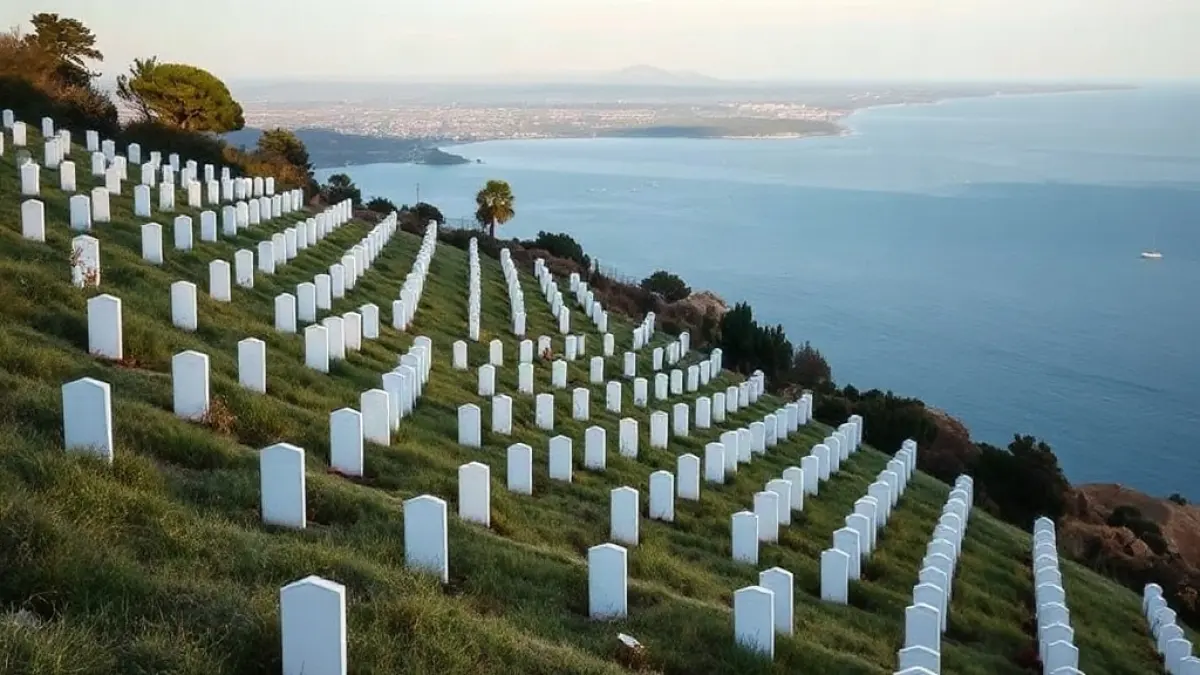
Around 90 people who died during a mass crossing from Morocco into the Spanish exclave of Ceuta this summer have been buried in the city's Sidi Embarek Muslim cemetery, but only nine of them have been identified. The rest lie under numbered headstones, leaving families with no confirmation of what happened to relatives who disappeared during the crossing.
Key facts
- 30 and 31 July: the dates on which the dead drowned in the Mediterranean Sea
- More than 70,000 people crossed the border during the mass crossing
- Around 90 people are buried in Ceuta's Sidi Embarek Muslim cemetery
- Nine bodies had been identified by late September, according to the cemetery's manager
- 81 graves remain nameless
What happened at the Ceuta border crossing?
More than 70,000 people crossed the border into Ceuta during the mass crossing this summer, and people drowned in the Mediterranean Sea on 30 and 31 July. The Sidi Embarek cemetery, which overlooks the sea, has taken in around 90 of the dead.
Among them was Mohamed Said Arif, a 21-year-old from the Moroccan town of M'diq, less than 30 kilometres (19 miles) from Ceuta. He was buried in the cemetery after being identified.
How were the dead buried?
The bodies were washed, shrouded and laid on their right side, facing Mecca. Where no name could be confirmed, the grave was marked with a numbered headstone rather than a name.
By late September, the cemetery's manager said only nine bodies had been identified. The remaining 81 graves still have no names attached to them.
Why are so many of the dead unidentified?
When people die on dangerous journeys, fragmented systems can leave their bodies unidentified, with cemeteries left holding numbered graves. Families are left searching for news of relatives who set out on the crossing and were never heard from again.
The account does not say whether any of the remaining 81 graves are expected to be identified, or what process families should follow to trace a missing relative.
Also about:  Spain