
 MauritaniaTravel
Travellers to Mauritania's far north face drone risk as border strip is cleared
Mauritania has ordered artisanal gold miners to leave a 10-kilometre strip along the Western Sahara border within 14 days, warning they risk being struck by Moroccan drones. The zone lies in the far north, in the Bir Moghrein area.
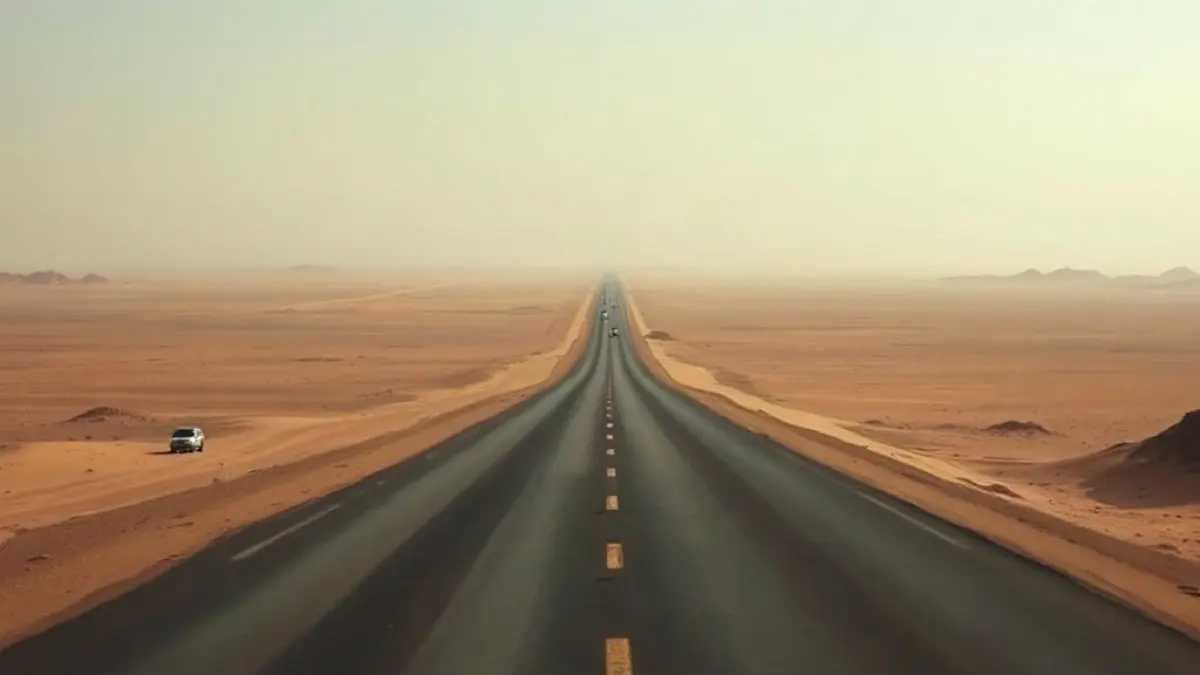
Mauritanian authorities have given artisanal gold miners working near the Western Sahara border 14 days to leave the area. Government representatives have been sent to the northern region of Tiris Zemmour to notify workers on the ground.
The stated aim is to protect Mauritanian citizens and prevent drones operated by Morocco's Royal Armed Forces (FAR) from mistaking miners for Polisario Front patrols and striking them.
Key facts
- Deadline: 14 days to dismantle and vacate
- Zone: any operation within 10 kilometres of the border
- Where: Tiris Zemmour region, mainly the Bir Moghrein department in the far north
- Reason: risk of drone strikes by Moroccan forces
- After the deadline: no one may remain prospecting for gold inside the strip
What is changing?
Officials told workers they must dismantle and leave any mining operation located within 10 kilometres of the border. Once the two weeks have passed, no one will be permitted to keep prospecting for gold inside that strip.
According to the Mauritanian Information Agency (AMI), the Governor of Tiris Zemmour, Idrissa Demba Correra, spent two days touring the mining camps with Mohamed Yahya Ould Ahmed Ghadhi, Director General of Maaden Mauritania, the national agency that regulates artisanal mining.
Why is the border area considered dangerous?
Mauritania's executive says clearing the 10-kilometre strip is essential for its own armed forces to carry out border surveillance and control without civilian interference. Scattered off-road vehicles and makeshift camps belonging to gold prospectors hamper identification efforts and raise the risk of incidents in what the report describes as a heavily militarised area.
The strip east of the Moroccan defensive barrier is treated by Rabat as a military buffer and exclusion zone, and has seen skirmishes and harassment since the ceasefire broke down in November 2020. Morocco has intensified its use of drones to detect and neutralise suspicious vehicle movement approaching the wall from Mauritanian or Algerian territory.
The artisanal gold rush in northern Mauritania has pushed thousands of prospectors into remote, poorly demarcated desert areas, and miners sometimes cross into buffer zones east of the Sand Wall. In the past, civilian convoys of Mauritanian miners have been hit by projectiles or drone strikes after being spotted on routes routinely used by Polisario Front armed units.
What this means for travellers
The order applies to the border area of northern Mauritania, in Tiris Zemmour and the Bir Moghrein department. Anyone moving through that part of the country should be aware that a 10-kilometre strip along the border is now closed to mining activity and is the focus of military deployment, including a reinforcement of Mauritanian forces in the sector of Gliebat El Foula this week.
Mauritania has historically kept a stance of active neutrality on the Western Sahara dispute and maintains security cooperation channels with Rabat, but the deaths of Mauritanian citizens in such operations remain a source of internal tension for the government.
No further dates beyond the 14-day deadline have been announced.
Also about:  Morocco