
 MauritaniaTravel
Mali violence keeps pushing refugees into south-eastern Mauritania
UNHCR estimates Mauritania hosted about 305,000 refugees and asylum-seekers as of 31 August 2026, most of them in Hodh Chargui near the Malian border, where services, water and pasture remain under pressure.
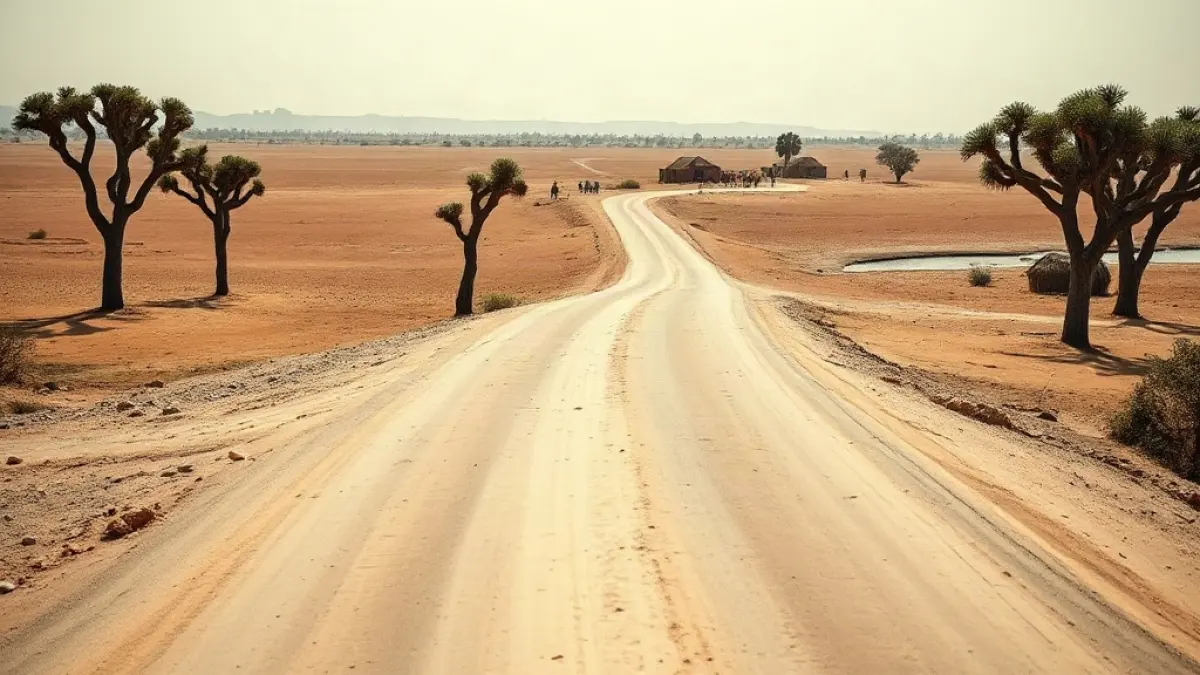
Insecurity and violence in central and northern Mali continue to drive people across the border into Mauritania, according to the International Federation of Red Cross and Red Crescent Societies (IFRC). In its Population Movement Operation Update #4, published on 7 October 2026, the IFRC said the arrivals are concentrated in Hodh Chargui, in south-eastern Mauritania, where services and natural resources are already stretched.
Key facts
- 31 August 2026: UNHCR estimated Mauritania was hosting about 305,000 refugees and asylum-seekers.
- 189,881 of them were registered nationally, including 177,542 registered refugees in Hodh Chargui.
- Earlier in 2026, UNHCR reported more than 170,000 refugees living in over 70 host villages in Hodh Chargui, plus about 120,000 people in Mbera Camp.
- Red Crescent assistance covers Bassikounou, Néma, Amourj and Adel Bagrou.
- Humanitarian Service Points operate in Dowinkara and Fassala.
What is happening at the border?
Disruption of livelihoods, reduced access to basic services and persistent protection concerns in Mali are contributing to displacement towards neighbouring areas of Mauritania, the IFRC said. Refugees and returnees arriving in border areas need shelter, safe water, sanitation, health care, protection and other essential services.
A large share of refugees live within host communities rather than in Mbera Camp. The IFRC said this settlement pattern adds pressure on local infrastructure, services and natural resources, and increases the importance of assistance that covers both displaced and host populations.
What conditions do travellers face in these areas?
Communities in Hodh Chargui and other remote parts of the response area face gaps in shelter, safe water, sanitation, food, health care, protection and livelihood opportunities. The IFRC noted that access to services and humanitarian assistance remains limited in remote communities.
Climate-related shocks compound the situation. Flooding, drought, bushfires and environmental degradation affect livelihoods, water availability, pasture, infrastructure and humanitarian access, particularly in remote areas, the report said. Pressure on water, pasture and other resources also affects host communities, and continued arrivals may contribute to tensions over access to limited resources.
Public health risks remain a concern where communities have limited access to safe water and adequate sanitation, according to the IFRC.
What response is under way?
The Mauritanian Red Crescent, supported by the IFRC, is providing shelter, multipurpose cash assistance, water, sanitation and hygiene, health, protection, migration and community engagement activities in Bassikounou, Néma, Amourj and Adel Bagrou. Two Humanitarian Service Points, in Dowinkara and Fassala, support people on the move with first aid, psychological first aid, information and referrals.
The IFRC said implementation has been affected by funding constraints, competing operational demands, the remoteness of the intervention areas and supply-chain capacity gaps, which have delayed procurement follow-up, supplier settlement and the completion of some planned activities. It has recruited a full-time Supply Chain Delegate to support procurement, delivery verification, stock reconciliation and transport arrangements.
What this means for travellers
The report describes the Mali–Mauritania border region of Hodh Chargui as remote, with limited access to services and humanitarian assistance, and exposed to flooding, drought and bushfires that affect infrastructure and access. Travellers heading to south-eastern Mauritania should factor those conditions into their planning and check local conditions before moving through border areas.
The Mauritanian Red Crescent and the IFRC said they will continue coordinating with local authorities and humanitarian partners to complete remaining activities, with a focus on protection, accountability and the priority needs of affected communities. No further update date was announced.
Also about:  Mali