
 IranTravel
Iran Land Borders Hit by Closures and Delays With Pakistan, Iraq and Turkey
Crossings with Pakistan and Iraq are closed or restricted and trucks face long delays at Iran's Turkish border, adding to US maritime and air limits. Land routes via Turkmenistan, Azerbaijan and Armenia remain open.
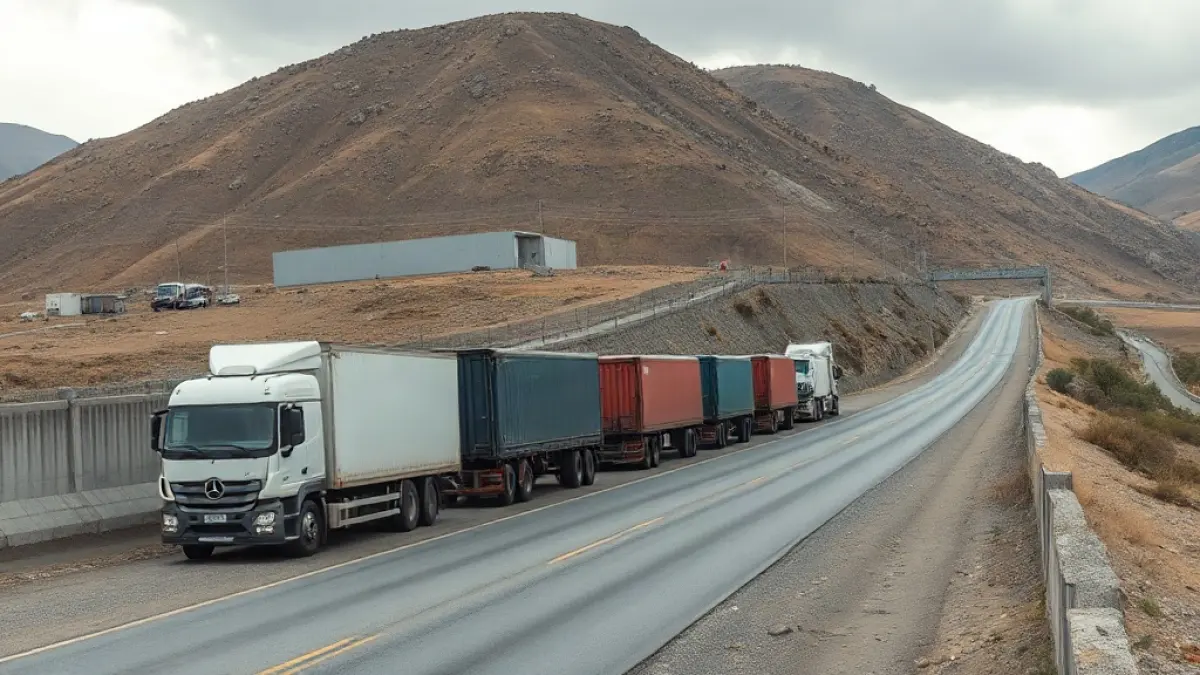
Border crossings linking Iran with Pakistan and Iraq have been shut or restricted, and freight traffic at Iran's Turkish border faces long delays, raising concern in Tehran that the country's remaining trade corridors could narrow further. The moves follow a US maritime blockade and air restrictions that have grounded most Iranian flights.
Key facts
- Pakistan closed the Rimdan–Gabd and Taftan crossings on Tuesday, citing security concerns and efforts to prevent smuggling.
- Iraq's Chazabeh–Al-Shaib crossing was closed on Wednesday; no general closure of the Iraq–Iran border has been announced.
- Delays of up to 20 days have been reported at Iran's Bazargan crossing with Turkey.
- Iran and Iraq have 13 official border crossings.
- Crossings with Turkmenistan, Azerbaijan, Armenia and Afghanistan remain open.
- No land blockade of Iran has been declared.
What is happening at the Pakistani border?
Pakistan shut the Rimdan–Gabd and Taftan crossings on Tuesday during a visit to Tehran by Pakistani Army Chief Asim Munir, citing security concerns and anti-smuggling efforts. Iranian officials said Munir ordered the crossings reopened during the visit, but the latest reports indicated Pakistan was allowing only Iranian gas tankers and perishable fruit and vegetable shipments to pass.
Iran's Foreign Ministry spokesman Esmaeil Baghaei attributed the suspension of operations at the crossings to "technical problems" on the Pakistani side and said the two countries were discussing reopening them. After the US maritime blockade took effect, Iranian traders increasingly used Pakistani ports as alternatives, but tighter requirements for electronic bills of lading and difficulties transferring money have complicated trade, according to Peyman Sanandaji, a senior official at the Tehran Chamber of Commerce.
Fada-Hossein Maleki, head of the Iran–Pakistan parliamentary friendship group, warned on Thursday that Iran could close its own border if Islamabad kept preventing trucks from crossing. The source notes that Pakistan moves some exports through Iranian territory toward Turkey, Central Asia and the Caucasus, and receives Iranian gasoline and diesel through official trade and smuggling.
What about Iraq and Turkey?
Iraq has not announced a general closure, but the Chazabeh–Al-Shaib crossing was shut on Wednesday on the direct orders of Prime Minister Ali al-Zaidi, and further crossings were expected to close. Abdul Amir Taiban, an adviser to Iraq's prime minister, said on Thursday that Chazabeh was closed to prevent the entry of drugs and counterfeit dollars and dinars. Iraq temporarily closed its crossings with Iran a month earlier after a drone attack on Saudi Arabia's east–west pipeline from Iraqi territory was attributed to Iran-aligned groups, reopening them several days later.
Iran's Deputy Interior Minister Ahmad Zeynivand said Tehran had sent Baghdad an official note seeking clarification, while claiming that trade in essential goods through maritime routes and northern borders continued without disruption.
At Bazargan in West Azerbaijan province — Iran's most important land gateway to Turkey and European markets — Iranian media have reported delays of as long as 20 days in recent months. Turkey has capacity to receive 1,000 Iranian trucks daily but has reportedly allowed only 200 to 300 through, while around 600 Turkish trucks enter Iran each day. Turkey is Iran's third-largest trading partner, with formal and informal bilateral trade estimated at $23 billion to $30 billion.
Which routes remain open?
Iran shares land borders with seven countries. Crossings with Turkmenistan, Azerbaijan and Armenia remain open, providing routes toward Central Asia, Russia and the Caucasus. Afghanistan is also open, but inadequate infrastructure and chronic congestion limit its usefulness as a transit corridor.
What this means for travellers
Anyone planning overland travel to, from or through Iran should check the current status of individual crossings before setting out, since the Pakistani and Iraqi crossings named in this report are closed or restricted to specific cargo and the Turkish crossing is experiencing long delays. Most Iranian flights have been grounded by air restrictions, so routes into and out of the country are limited.
President Masoud Pezeshkian has said the maritime blockade halted trade through southern sea routes, which previously accounted for 75% to 80% of Iran's trade. Mohsen Rezaei, secretary of Iran's Supreme National Security Council, acknowledged in an interview published on Thursday that a prolonged blockade would hurt, saying "Anyone who says otherwise is not being realistic," while arguing that economic pain would not force Tehran to accept US demands. Several land routes remain open, and no land blockade has been declared.
Also about:  Pakistan
 Iraq
 Türkiye
 Turkmenistan
 Azerbaijan
 Armenia
 Afghanistan