
 GuineaTravel
Guinea travellers: no armed front inside, but Mali-based JNIM uses border areas
A study published on 25 October 2026 finds the JNIM group entrenched in southwestern Mali and using some Guinean border areas, while finding no territorial control or armed front inside Guinea.
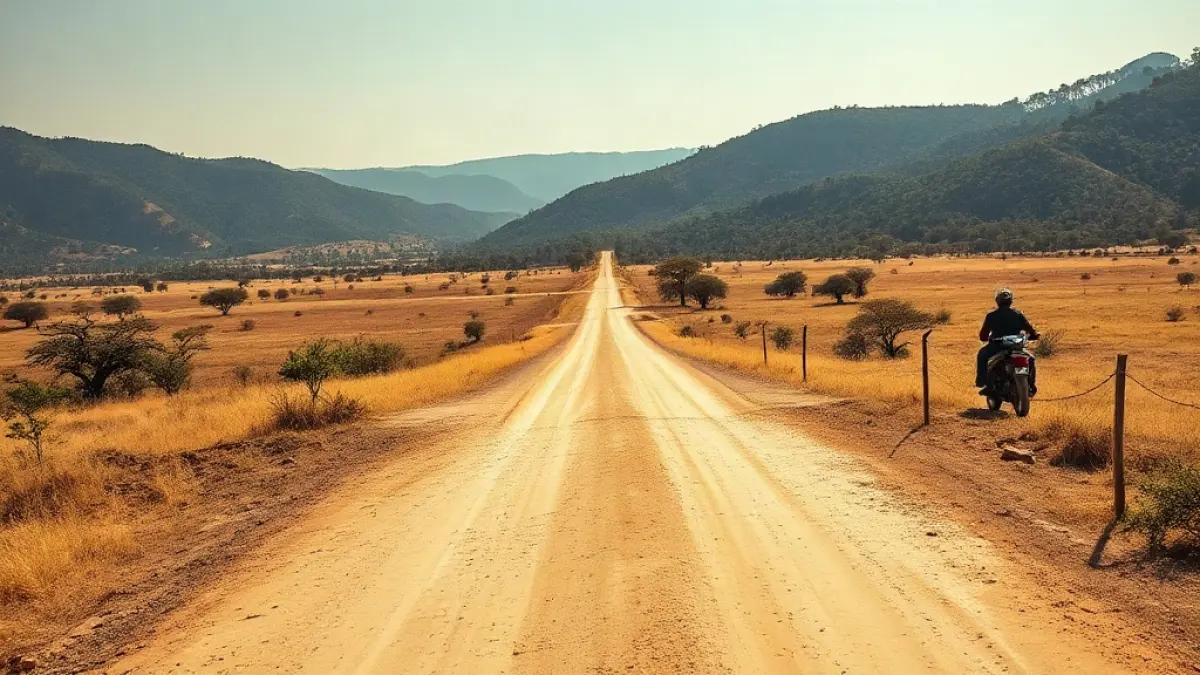
A study published on 25 October 2026 examines how the Jama'at Nusrat al-Islam wal-Muslimin (JNIM) group is consolidating its presence in southwestern Mali and extending its influence towards Guinea. The research highlights a border region it describes as increasingly important to regional security, including transport links running from Bamako to the Guinean border and the port of Conakry.
Key facts
- Published 25 October 2026 by the Konrad-Adenauer-Stiftung's Regional Programme Security Policy Dialogue in West Africa (SIPODI)
- Research conducted by the Sentinelle Internationale Contre le Terrorisme et la Criminalité Organisée (SITOC)
- Fieldwork carried out in June and July 2026 in southwestern Mali and Upper Guinea
- 68 people consulted, including local officials, civil society representatives, security stakeholders, artisanal gold miners and people involved in pastoral mobility
- Finding: JNIM entrenched in southwestern Mali, with infiltration and use of some Guinean border areas, but no territorial control in Guinea
What does the study look at?
The study focuses on cross-border dynamics between southwestern Mali and neighbouring areas of Guinea, which it says have received comparatively little research attention. It examines the drivers of JNIM's expansion and identifies ways to strengthen prevention, local governance and cross-border cooperation.
The analysis draws on qualitative fieldwork conducted in June and July 2026. The 68 people consulted included local officials, civil society representatives, security sector stakeholders, artisanal gold miners and people involved in pastoral mobility, whose accounts shed light on how security dynamics, economic interests and community relations interact.
How is JNIM expanding?
The study describes a gradual expansion built on discreet infiltration, forest-based refuges, local networks and coercion. Gold mining sites, transhumance corridors and trade routes offer opportunities for movement, financing and influence, and the transport links connecting Bamako to the Guinean border and the port of Conakry are singled out as particularly significant.
The group also exploits land disputes, tensions over resources and limited access to justice and public services. The study stresses that artisanal gold mining and pastoral mobility are not themselves causes of radicalisation; rather, JNIM finds openings where institutions responsible for settling disputes and regulating economic activity are weak or lack legitimacy.
Does JNIM control territory in Guinea?
The report draws a clear distinction between the presence of fighters, established networks and territorial control. While the evidence supports JNIM's entrenchment in southwestern Mali, indications of infiltration and the use of certain Guinean border areas do not, it says, establish territorial control or a structured armed front in Guinea.
What does the report recommend?
The study calls for permanent bilateral cooperation on intelligence and early warning, stronger protection for civilians and a more effective civilian state presence. It also highlights mediation over land and pastoral disputes and inclusive, community-based early warning mechanisms.
What this means for travellers
The study describes southwestern Mali and border areas of Guinea as a region of growing security significance, and flags the Bamako–Guinean border–Conakry transport corridor as important to the group's mobility. It publishes no travel advice and lists no specific routes or incidents affecting travellers. Anyone planning to visit these border areas should check current security advisories before travelling.
SIPODI says the publication is intended to inform dialogue among policymakers, researchers, security stakeholders and civil society on responses to cross-border threats in West Africa. No further publications or follow-up dates are announced in the text.
Also about:  Mali