
 Guinea-BissauTravel
Bijagós Islands Win UNESCO Status as Guinea-Bissau Pushes Eco-Tourism
Guinea-Bissau's Bijagós Archipelago became the country's first UNESCO World Heritage Site on 13 July 2025. Around 45,000 people already visit each year, with a ferry link, island lodges and guided wildlife trips available.
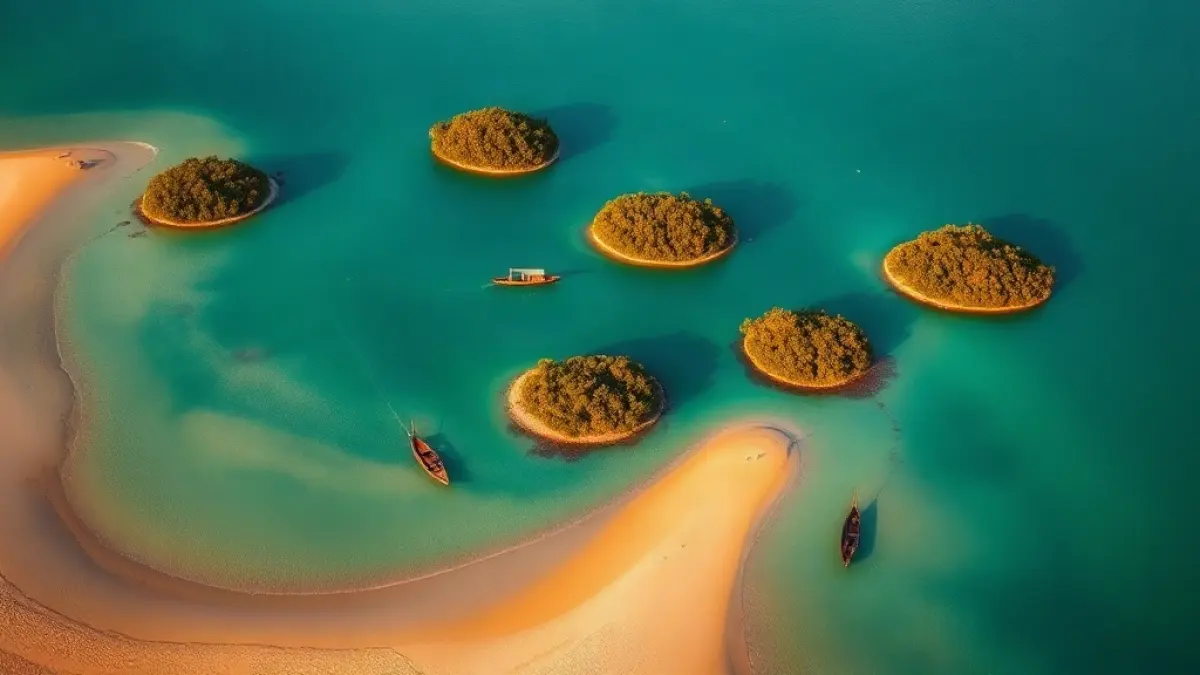
The Bijagós Archipelago became Guinea-Bissau's first UNESCO World Heritage Site on 13 July 2025, and the country is now promoting the islands as an eco-tourism destination. For travellers, the basics are already in place: a ferry link from Bissau, small-scale accommodation on several islands and guided wildlife visits in protected areas.
Key facts
- The Coastal and Marine Ecosystems of the Bijagós Archipelago – Omatí Minhô was inscribed on the World Heritage List on 13 July 2025
- The archipelago has 88 islands and islets, 21 of them inhabited by about 32,500 people
- An estimated 45,000 visitors a year travel to the Bijagós
- A ferry between Bissau and Bubaque traditionally runs on Fridays, with return services on Sundays
- Five of the world's seven sea turtle species occur in the archipelago
What has been recognised?
The World Heritage Committee approved the inscription at its 47th session in July 2025 under natural criteria (ix) and (x), covering the archipelago's ecological processes and biodiversity. UNESCO identifies the site as the only active deltaic archipelago on Africa's Atlantic coast, with extensive mangroves, mudflats and sandbanks that support marine species and migratory birds.
The Committee also credited the Bijagó people, whose community-based management draws on traditional knowledge, and encouraged further capacity and resources for the Institute for Biodiversity and Protected Areas. Guinea-Bissau's President described the listing as a historic distinction that creates opportunities for sustainable development and responsible ecotourism.
What can travellers see and do?
Five of the world's seven sea turtle species frequent the islands — green, olive ridley, hawksbill, leatherback and loggerhead turtles — alongside sharks, rays, manatees and Atlantic humpback dolphins. Green turtle nest counts averaged 27,251 a year between 2013 and 2017 and exceeded 62,000 on the Poilão beaches alone in 2020, while the IUCN cites about 50,000 nests a year. UNESCO's Man and the Biosphere Programme reports close to 800,000 Palearctic waders visiting annually, with more than 283 bird species recorded.
There are three marine protected areas: João Vieira and Poilão Marine National Park, Orango Islands National Park and the Urok Islands community area. A management plan for the wider biosphere reserve was adopted in 2023. Orango National Park covers 1,582 km² and holds almost 130 hippos and close to 250 bird species. Listed activities include guided visits to protected areas, green turtle observation, birdwatching, boat excursions and interactions with local communities.
How do you get there and where do you stay?
The Institute for Biodiversity and Protected Areas' ecotourism guide identifies a ferry between Bissau and Bubaque that traditionally operates on Fridays, with return services on Sundays. Accommodation includes hotels, lodges and community guesthouses on islands such as Bubaque and Orango. The guide also lists park entrance fees, local guides and boat services, but current availability and schedules should be confirmed with local operators.
Improving the Bubaque airstrip, visitor information facilities and park infrastructure are named priorities. In April 2024, Portugal's Estoril School of Hospitality and Tourism signed an agreement with Guinea-Bissau's government to establish a hospitality school on Bolama Island; it was expected to become operational within one year, but its current status requires confirmation.
What is being planned?
Guinea-Bissau's National Ecotourism Strategy for 2018–2023 and a Regional Master Plan for Responsible Tourism for the Bolama-Bijagós Biosphere Reserve, drawn up in November 2020, form the policy framework. Tourism and hospitality in the Bijagós are listed as a priority sector for private investment on the country's investment promotion portal, and the Minister of Economy, Planning and Regional Integration represented Guinea-Bissau at the Lusophone Africa Investment Forum in Cabo Verde on 26–27 October 2026.
A Global Biodiversity Framework Fund project targeting the Bijagós World Heritage Site, implemented by the United Nations Development Programme with the biodiversity institute as executing agency, had its concept approved on 24 March 2026. That approval does not mean the full financing package has been disbursed or that implementation has been completed.
What this means for travellers
Visitors should check ferry timings and accommodation availability before travelling, and follow conservation and community-management rules when visiting turtle, bird and other sensitive sites. Access to protected areas runs through established destinations such as Orango and João Vieira-Poilão for organised visits.
National international arrivals reached 52,400 in 2019, up from 22,300 in 2010. Whether the investment plans translate into easier access and more facilities will depend on project preparation, financing arrangements and implementation approvals still to come.
Also about:  Portugal