
 FinlandVisas
Finland Backs EU-Wide Russian Tourist Visa Ban; Proposals Due January 2027
Finland, Poland and the Baltic states are pressing the EU to ban tourist visas for Russian citizens, with European Commission proposals expected in January 2027. No ban has been agreed.
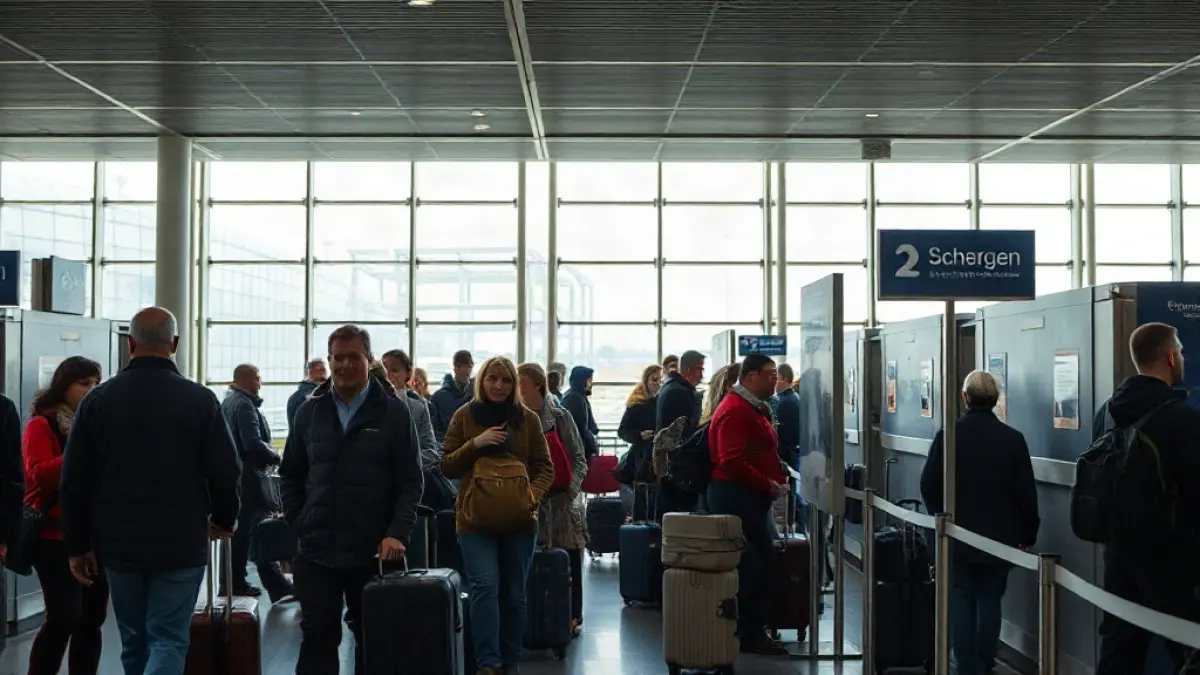
Finland is among the EU countries pressing for a Union-wide ban on tourist visas for Russian citizens, a debate that reignited after a failed drone attack at Leipzig Airport. The European Commission is expected to present proposals to update EU visa policy in January 2027, but no ban has been agreed.
Key facts
- The European Commission is expected to present updated EU visa policy proposals in January 2027.
- Finland, Poland and the Baltic states are pressing for an EU-wide ban on tourist visas for Russian citizens.
- Germany has proposed issuing Russian applicants only Limited Territorial Validity (LTV) visas.
- Schengen visas issued to Russians fell to 680,000 by the end of 2025, from 4 million in 2019.
- The debate reignited on 11 October 2026 after the Leipzig Airport drone attack.
What is being proposed?
Germany, which had kept a relatively moderate position on visa requirements for Russian citizens, proposed after the Leipzig incident that Russian applicants be issued only Limited Territorial Validity (LTV) visas — permits that restrict travel to one or a handful of Schengen Area countries.
Poland, Finland and the Baltic states want to go further and are pressing for an EU-wide ban on tourist visas for Russians. Finnish Prime Minister Petteri Orpo asked, "Why, in heaven's name, are we letting them into European territory as tourists?" EU Migration Commissioner Magnus Brunner has voiced similar security concerns and urged member states to issue fewer visas to Russians.
What has already changed for Russian travellers?
Since the start of the full-scale invasion of Ukraine, the European Commission has revoked the simplified issuance agreement for Schengen visas for Russian tourists and stopped granting multiple-entry visas. Almost half of EU member states have stopped processing visa applications from Russians, and some have closed their borders to them entirely.
The result, the article notes, is 680,000 visas issued by the end of 2025, compared with 4 million in pre-pandemic 2019.
Why is the debate intensifying?
The discussion shifted on 11 October 2026 and is now framed less around the ethics of wartime tourism and more around European security and the Kremlin's hybrid warfare. The failed drone attack at Leipzig Airport is described as the trigger, and Germany's LTV proposal followed it.
Would a visa ban stop sabotage?
The author argues it would not. Both suspects in the Leipzig case held a second nationality alongside Russian citizenship — Latvian and Belarusian. The Latvian passport allowed the operation's coordinator to enter the EU unhindered, while the Belarusian national, Andrei K., needed a Schengen visa, which he obtained from the Italian Embassy in Minsk in April 2026.
Andrei K. had been a suspect in a Łódź arson case treated as likely sabotage with Russian links in 2024, and appeared in criminal databases in Lithuania and Finland, where he had been convicted of offences including theft, the article states. The author argues this points to failures in sharing law enforcement information within the EU.
Citing a study by the International Centre for Counter-Terrorism, the article says the Kremlin organised 151 acts of sabotage in Europe over the past four years, involving 172 perpetrators. About half already lived in the countries concerned, holding residence permits or citizenship; the rest were mainly nationals of countries including Serbia, Moldova and Georgia, whose citizens travel to the EU without a visa. The author argues the GRU prefers perpetrators with visa-free passports.
What this means for travellers
No EU-wide tourist visa ban has been agreed, and Commission proposals are not expected until January 2027. Russian passport holders already face tightened Schengen rules — no simplified issuance, no multiple-entry visas and applications refused by almost half of member states — so they should check the current position before booking travel.
Finland's parliamentary elections are scheduled for the spring, and the article notes that restrictions on Russian citizens enjoy strong public support there. The European Commission's visa policy proposals are expected in January 2027.
Also about:  Russia
 Germany
 Poland
 Latvia
 Lithuania
 Belarus
 Italy