
 EthiopiaTravel
Ethiopia–Kenya crossing: trucks stuck 2 weeks, banks shut, birr disrupted
Fighting in Ethiopia's disputed Moyale area has pushed more than 50,000 people into Kenya, where gunfire continues, trucks have been stranded near the border for almost two weeks and bank closures have disrupted the Ethiopian birr.
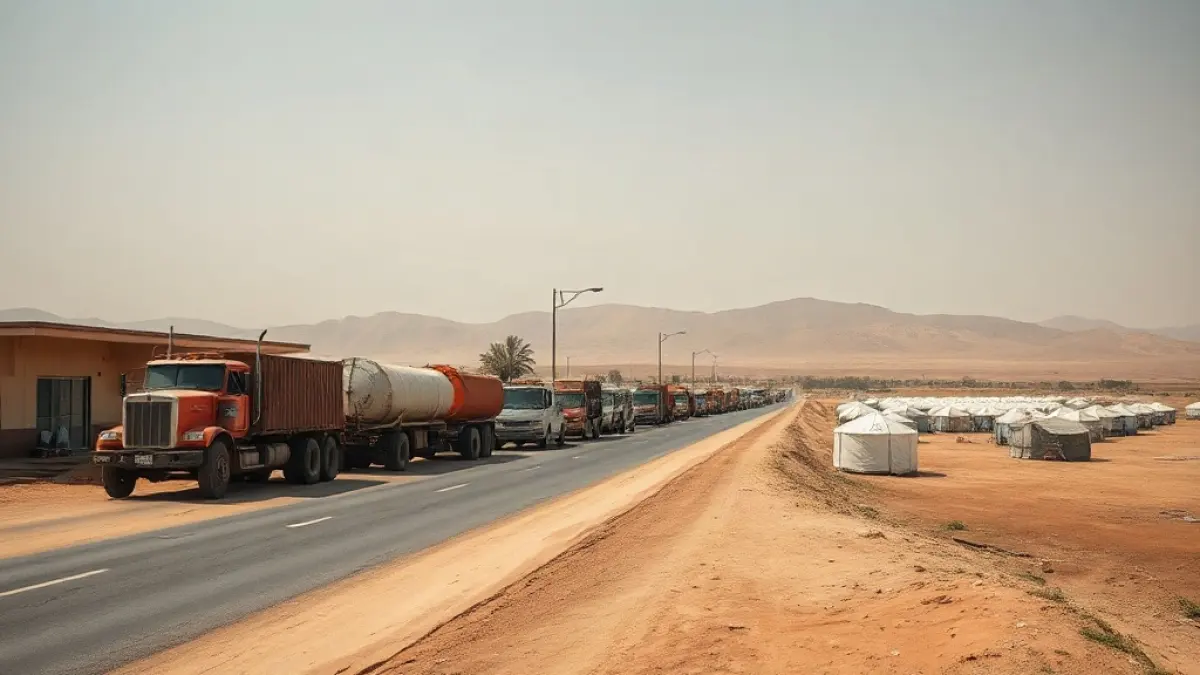
Clashes along the Ethiopia-Kenya border near Moyale have displaced more than 50,000 people and are disrupting movement and trade across the crossing, according to Kenyan officials and humanitarian organisations. Kenya Red Cross regional head Malik Adan said the number of displaced people had risen from an estimated 36,000 to more than 50,000, covering both temporary settlements and people staying with relatives and host families.
Key facts
- More than 50,000 people displaced, according to the Kenya Red Cross regional head.
- A government-led assessment on 29 and 30 October counted 35,950 people displaced as of 24 October.
- Violence is centred on the disputed Moyale area on the Ethiopia-Kenya border.
- Trucks on the Mombasa-Addis Ababa route have been stranded near the border for almost two weeks.
- Kenya's Inspector General of Police said additional officers would be deployed along the border.
What is happening at the border?
The fighting stems from a long-standing dispute over land and administrative control between Ethiopia's Oromia and Somali regional administrations. Tensions escalated around 18 October over the raising of the Somali regional flag in the disputed Moyale area, reflecting competing claims over territory and authority.
Gunfire could still be heard in Moyale, Kenya's acting commissioner for refugee affairs Mwasaru Mercy and UNHCR's representative in Kenya Fatima Mohammed Cole both said. Cole appealed for a ceasefire that would allow families to return home.
How is travel and trade being affected?
Moyale serves as a trading point between Kenya and Ethiopia, and the clashes have strained that link. Abdi Maalim, a member of the Moyale Cross-Border Peace Committee, said trucks carrying goods between Mombasa and Addis Ababa had been stranded near the border for almost two weeks, Kenyan trucks were also stuck in Ethiopia, and businesses in Moyale had slowed sharply.
Bank closures have disrupted the circulation of the Ethiopian birr, and traders reported price rises of about 20 percent as supplies became harder to move. Maalim said some Kenyan families had moved further inland after bullets and heavy weapons landed close to their homes, and he called for more border patrols to prevent armed groups crossing into Kenya.
What are authorities doing?
Mercy said a multi-agency government team had been deployed to Moyale, with the Department of Refugee Services coordinating with local authorities and the UN High Commissioner for Refugees (UNHCR). The government is working with UNHCR to register arrivals and assess their needs, but Mercy said no refugee camp had been established because the security situation must improve first.
Kenya's Inspector General of Police, Douglas Kanja, said during a visit to Moyale on 5 November that additional officers would be deployed along the border and that Kenya was engaging Ethiopia's federal government to help end the conflict. He said one Kenyan had died after being hit by a stray bullet, while a police report indicated an Ethiopian man had also died from gunshot wounds sustained in Kenya.
Inside Ethiopia, the Ethiopian Red Cross Society said it had provided emergency shelter and household items worth about 30 million Ethiopian birr ($182,970) to 1,000 households displaced from Moyale town and surrounding areas, including 2,000 tarpaulins, blankets, sleeping mats, dignity kits, jerrycans, kitchen sets, soap and solar lamps.
What this means for travellers
Anyone planning to use the Moyale crossing or roads in the area should note that gunfire has continued on the Kenyan side and that goods vehicles have already been stranded near the border for almost two weeks. Kenya is deploying extra police along the border, but no refugee camp has been set up because of the security situation. Travellers should check current conditions before arranging overland travel between Kenya and Ethiopia.
No confirmed final displacement figure has been published: the overall number of displaced people has yet to be independently established. Kenyan officials said they were trying to mobilise humanitarian organisations and donors, while UNHCR continued to appeal for a ceasefire.
Also about:  Kenya