
 EstoniaEntry rules
Travellers to Russia: Estonia closes its border crossings from 1 Dec indefinitely
Estonia will shut its border crossings with Russia from 1 December 2026, Prime Minister Kristen Michal said, after an alleged arson attempt on a defence technology company that Estonian authorities blame on Russian military intelligence. No reopening date has been given.
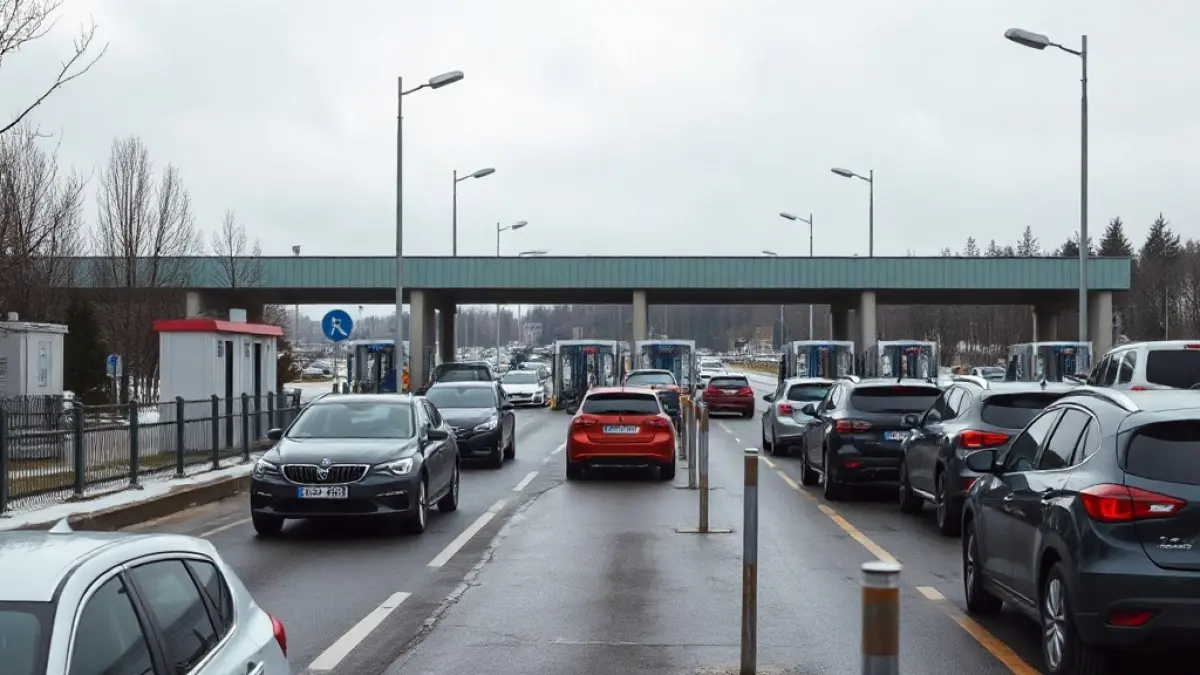
Estonia will close its border crossings with Russia from 1 December 2026, Prime Minister Kristen Michal announced on Sunday, after an attempted arson attack on a defence technology company that Estonian authorities blame on Moscow. No date has been announced for the crossings to reopen.
Key facts
- Border crossings with Russia close from 1 December 2026
- No reopening date has been announced
- Eight people were detained over an alleged arson attempt overnight on Saturday
- No one was injured in the incident
- Estonian security services say the attempt was ordered by Russia's military intelligence service, the GRU
What is changing?
Estonia's border crossings with Russia will be closed from 1 December, Michal said in a statement on Sunday. He did not say when they would reopen. Video from the Narva border crossing on Sunday showed people still crossing between Estonia and Russia before the closure takes effect.
Why is Estonia closing the border?
Eight people were detained after allegedly attempting an arson attack on a defence technology company overnight on Saturday, according to authorities. No one was injured. Estonian security services say the attempted attack was carried out on the orders of Russia's military intelligence service, the GRU.
Michal said that if Russia continues what he described as hybrid operations in Estonia, and Russian intelligence services exploit border crossings to exert influence over people, Estonia must be prepared to reduce the risks it faces. Closing the border, he said, would reduce the threat to people in Estonia and show that attacks on the country's defence industry and defence capabilities are unacceptable.
What have officials said?
Foreign Minister Margus Tsahkna called the weekend's events an attempted sabotage and said hostile actions must have consequences. He said he expected further sanctions targeting Russian individuals and entities to be adopted at a meeting of foreign affairs ministers in Brussels, Belgium on Monday.
Russian Foreign Ministry spokesperson Maria Zakharova said the move was part of a wider pattern of what she called Russophobia, and said Moscow would check the plans for veracity. Ukraine's Foreign Minister Andrii Sybiha welcomed Estonia's decision and encouraged other European countries to take note.
What this means for travellers
Anyone planning to cross between Estonia and Russia should expect the border crossings to be closed from 1 December 2026. The source gives no reopening date, so travellers relying on land crossings such as Narva should check the latest position before making plans.
Further sanctions on Russian individuals and entities were expected to be discussed at the foreign affairs ministers' meeting in Brussels on Monday.
 Russia
 Ukraine