
 EstoniaEntry rules
Drivers and Pedestrians Lose All Estonia–Russia Road Routes from 1 December 2026
Estonia plans to close its three road border crossings with Russia — Narva, Luhamaa and Koidula — on 1 December 2026, blocking both vehicles and pedestrians. The move follows an attempted arson attack on a drone factory.
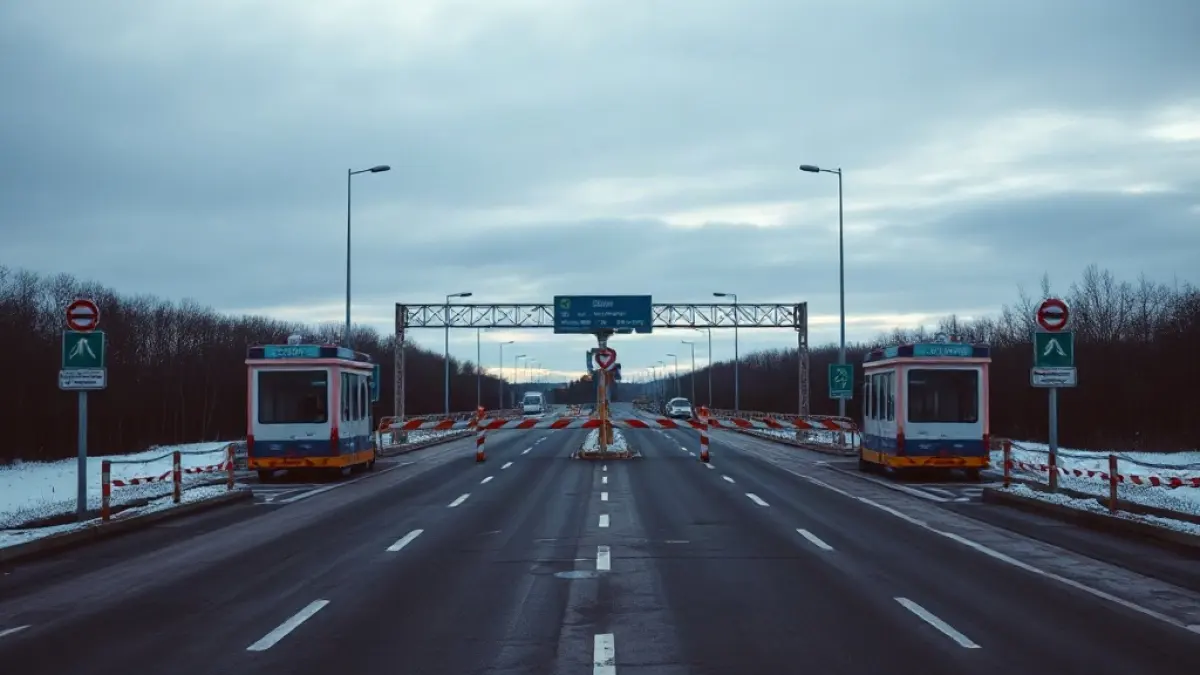
Estonia plans to close all of its road border crossing points with Russia on 1 December 2026, cutting off the only road routes between the two countries. Estonian Foreign Minister Margus Tsahkna announced the move on the social media platform X, linking it to an attempted act of sabotage at a drone manufacturing facility that Tallinn has blamed on Russian intelligence services.
Key facts
- Effective date: 1 December 2026
- Crossings affected: Narva, Luhamaa and Koidula — all three road border crossings between Estonia and Russia
- Who is affected: both pedestrians and vehicles
- Announced by: Estonian Foreign Minister Margus Tsahkna
- Duration: not yet decided — temporary or indefinite
What is changing?
Under the announced plans, the three road border crossings between Estonia and Russia — Narva, Luhamaa and Koidula — will stop operating on 1 December. The restrictions apply to both pedestrians and vehicles, so once the decision takes effect it will no longer be possible to cross the Estonia–Russia border at these checkpoints.
The duration of the restrictions has not yet been determined. The Estonian government still has to decide whether the closure will be temporary or indefinite.
Why is Estonia closing the border?
The decision follows events on 14 November, when an attempted act of sabotage was reportedly prevented at Threod Systems, a defence company that manufactures drones. According to Estonian law enforcement authorities, the suspects planned to set fire to the facility but failed to carry out their plan. Eight people were detained in connection with the incident.
Estonian authorities stated that the attack had been planned on the orders of Russia's GRU military intelligence agency. Tallinn considers the incident a direct threat to national security and says additional protective measures are necessary. Tsahkna said closing the border should limit Russia's ability to carry out similar operations on Estonian territory, and the authorities also hope to strengthen enforcement of sanctions against Russia and reduce opportunities to circumvent them.
Moscow denies the allegations. On 16 November, Kremlin spokesperson Dmitry Peskov called Estonia's accusations baseless and criticised the plans to close the border. Despite Russia's position, Estonian authorities say the planned closure is linked not only to the latest incident but also to the need to prevent further threats.
What this means for travellers
Once the crossings close, it will no longer be possible to drive or walk between Estonia and Russia at Narva, Luhamaa or Koidula. Estonian Interior Minister Igor Taro warned that citizens currently in Russia should take the upcoming restrictions into account when planning their return home, as travel routes could become significantly longer and more complicated.
Tsahkna said he had informed his counterparts in Finland, Latvia and Lithuania about the planned border closure. The Estonian government's decision on how long the restrictions will remain in force is still pending.
Also about:  Russia