
 CubaTravel
Canada warns against non-essential travel to Cuba; airlines suspend flights
The Government of Canada advises Canadians to avoid non-essential travel to Cuba, where all Canadian airlines have suspended service. Eight winter sun destinations carry advisories, most at 'exercise a high degree of caution'.
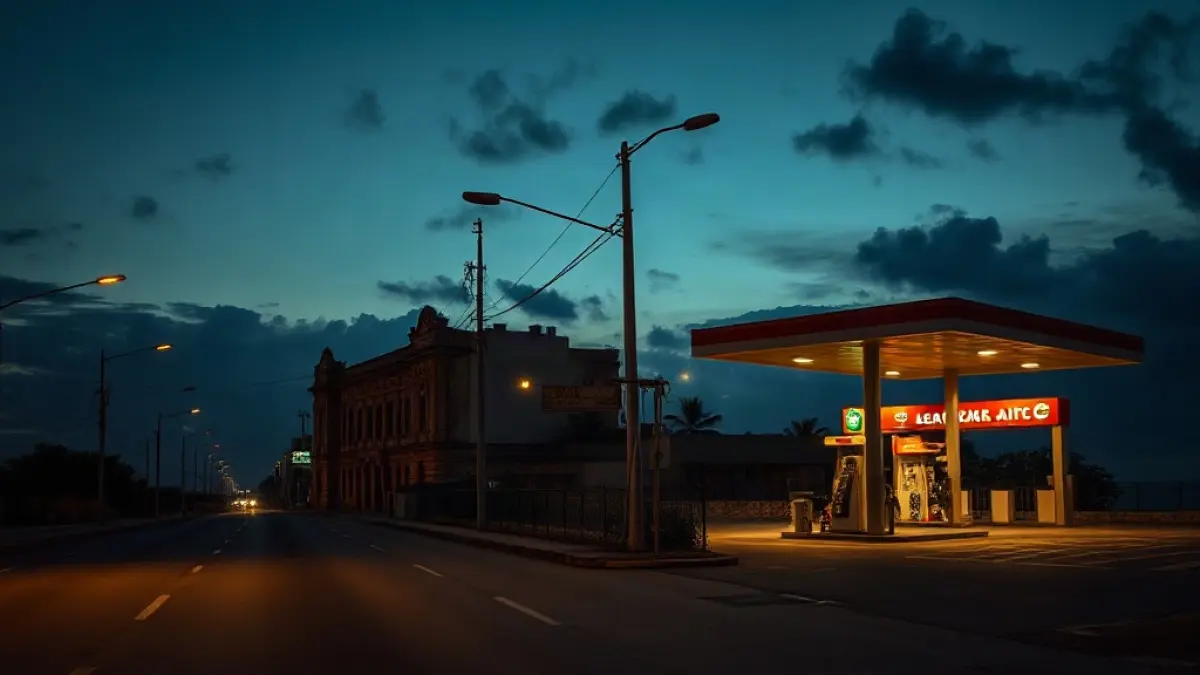
Canadians dreaming of a winter beach escape should check Ottawa's travel advice before booking, after the Government of Canada updated its warnings for eight popular sun destinations. Cuba carries the strictest level of the group: officials advise against non-essential travel, and all Canadian airlines have suspended service to the island until further notice.
Key facts
- Cuba: avoid non-essential travel; advisory last updated 5 October 2026.
- All Canadian airlines have suspended flights to Cuba until further notice.
- Mexico, Thailand, Peru, Costa Rica, The Bahamas, Jamaica and the Dominican Republic sit at "exercise a high degree of caution".
- Visa and Mastercard credit and debit cards have not been accepted in Cuba since 6 June 2026.
- The advisories reviewed were last updated between 26 May 2026 and 19 October 2026.
What has changed?
Canada's travel advisory system uses four levels: take normal security precautions, exercise a high degree of caution, avoid non-essential travel, and avoid all travel. Seven of the eight destinations reviewed sit at "exercise a high degree of caution", which means travel is still possible but travellers should know the specific risks.
Cuba is the exception at "avoid non-essential travel". For Mexico, the latest update removed an earlier advisory against non-essential travel to the country's west-central coast, although regional warnings remain in place.
Why is Cuba at the strictest level?
Ottawa points to worsening shortages of fuel, electricity and basic necessities including food, water and medicine. Long, unpredictable power cuts happen daily, and nationwide outages can last more than 24 hours. Most large resorts rely on generators, but fuel shortages can affect food service, lighting, running water and hot water, while taxis and other transport are often disrupted; some travellers have been stranded after rental cars ran out of gas.
Payment is another practical problem: since 6 June 2026, Visa and Mastercard credit and debit cards are no longer accepted in Cuba, so travellers need to bring enough cash for the whole trip. U.S. dollars and euros are more widely accepted than Canadian dollars.
Officials also say the local security situation has deteriorated and that foreigners may face a greater risk of opportunistic crime. Anyone who does travel should pack all the medication, toiletries and basic supplies they need and keep an emergency kit on hand.
What about the other destinations?
Mexico (updated 19 October 2026) is flagged for criminal activity and kidnapping. Regional warnings cover Chihuahua, Guerrero, Michoacán, Sinaloa, Tamaulipas and Zacatecas, plus parts of Chiapas, Colima, Guanajuato, Jalisco, Nayarit, Nuevo León and Sonora; some places, including Ixtapa/Zihuatanejo and parts of Mazatlán, are exempt when reached by air. Express kidnappings, spiked drinks, unregulated alcohol and low balcony railings are among the cited risks.
Thailand (13 October 2026) carries warnings for political tensions and demonstrations. Canada advises avoiding all travel within 50 kilometres of the Thailand-Cambodia border, where a ceasefire has been in effect since 27 December 2025 and land crossings are closed, and to Narathiwat, Pattani, Yala and parts of southern Songkhla, including Hat Yai.
Peru (15 October 2026) is flagged for crime, social conflicts and strikes that can disrupt travel, including trains to Machu Picchu. Canada advises avoiding all travel to the VRAEM and non-essential travel to the Upper Huallaga River Valley and areas within 20 kilometres of the Colombia and Ecuador borders.
Costa Rica (14 October 2026) is flagged for crime, especially passport theft, which spikes from November to May. In The Bahamas (13 October 2026) crime rates are high in Nassau and Freeport. Jamaica and the Dominican Republic (both updated 26 May 2026) are flagged for violent crime and theft respectively, including petty theft inside resort rooms in the DR and, in Jamaica, harassment and abuse experienced by 2SLGBTQI+ travellers, as same-sex sexual acts remain illegal.
What this means for travellers
Travellers should check the advisory level for their destination before booking and again closer to departure, and confirm what their travel insurance covers. For Cuba, officials warn that commercial flights on international carriers could become limited on short notice, and say Canadians already on the island should consider leaving while they can.
Ottawa notes that advisories can change quickly. No new dates or rule changes beyond those listed have been announced.
Also about:  Canada
 Mexico
 Thailand
 Peru
 Costa Rica
 Bahamas
 Jamaica