
 CanadaVisas
Travellers who overstay Canadian visas now tracked in first national count
Canada has begun its first-ever count of people living in the country without legal status after overstaying visas or permits. Statistics Canada is leading the exercise, which draws on border and immigration databases.
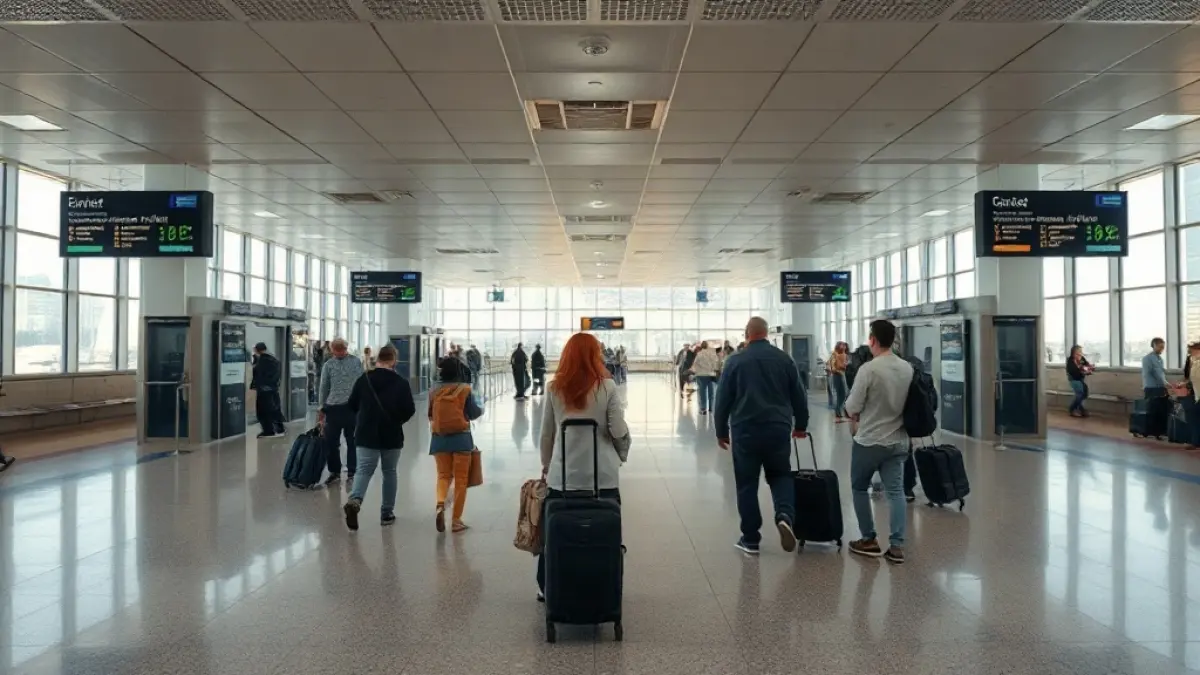
Canada has launched its first-ever population count to establish how many people are in the country without legal status after overstaying a visa or permit. The federal government has acknowledged there is no reliable estimate, and Statistics Canada has set up a special unit in its demographics section to produce one.
Key facts
- Statistics Canada is leading the count, with help from academics including Université de Montréal demography professor Alain Gagnon.
- Estimates of the population without legal status range from 20,000 to 500,000, according to Immigration, Refugees and Citizenship Canada (IRCC).
- Opposition Leader Pierre Poilievre cited a figure of two million earlier this year.
- The count will largely integrate the Canada Border Services Agency (CBSA) entry-exit database with IRCC's visa-issuing system.
- A March 2026 auditor general report found about 23,500 former international students whose study permits expired in 2024 could not be accounted for.
Why is Canada counting now?
Statistics Canada demographer Julien Berard-Chagnon said the agency wants to avoid a repeat of the dramatic correction it made two months ago. That correction, on 23 September, added more than 200,000 people to Canada's population count after it emerged that many temporary residents believed to have lost status had in fact renewed their visas or permits.
Berard-Chagnon said Canada is in a period of historical demographic change, citing inter-provincial migration, historically low fertility rates and high immigration levels since the COVID-19 pandemic. An immigration official noted the count is not straightforward because the population generally tries to stay undetected.
Who is included in the population being counted?
The exercise covers three broad categories of undocumented non-permanent residents: people who have stayed beyond the duration of their work or study permits, illegal border crossers, and failed refugee claimants who are candidates for deportation.
The issue is politically contested. The Conservatives called last week for a better system to track the departure of temporary visa holders. The government is also aware that the number of unauthorised immigrants in the United States, which reached an all-time high of 14 million in 2023, has been a polarising issue there for years.
What do the tracking gaps show?
The March 2026 auditor general report found that of 549,000 people whose study permits expired in 2024, about 39,500 had no legal immigration status and should have left Canada. CBSA could confirm the departure of only 16,000.
An April 2026 CBSA briefing acknowledged limits in its entry-exit tracking system. About 91 per cent of traveller records are matched automatically; the rest require manual reconciliation, creating a substantial backlog. The agency warned this could result in travellers being incorrectly identified as having overstayed a visa or permit.
What this means for travellers
Spokespeople for CBSA and IRCC said an accurate figure for the population without legal status is crucial to restoring the integrity of the immigration system. Both agencies pointed to continuous monthly updates of immigration removal statistics as part of the government's plan to ramp up deportations.
CBSA said it is mandated to remove foreign nationals who are inadmissible and subject to an enforceable removal order as soon as possible. Cases involving security, organised crime, human rights violations and criminality are the highest priority, followed by failed refugee claimants, with all other immigration violations considered afterwards. The agency said even lower-priority removals must be actioned because of their impact on the immigration system's integrity.
No completion date for the population count has been announced.