
 CanadaTravel
Fewer Canadians crossed into Vermont in 2025, with card spending down 47%
Roughly 28% fewer Canadians visited Vermont in 2025 than in 2024, a Vermont Agency of Commerce and Community Development report shows. Credit card spending from Canada fell about 47% and overnight visitors dropped 4.4%.
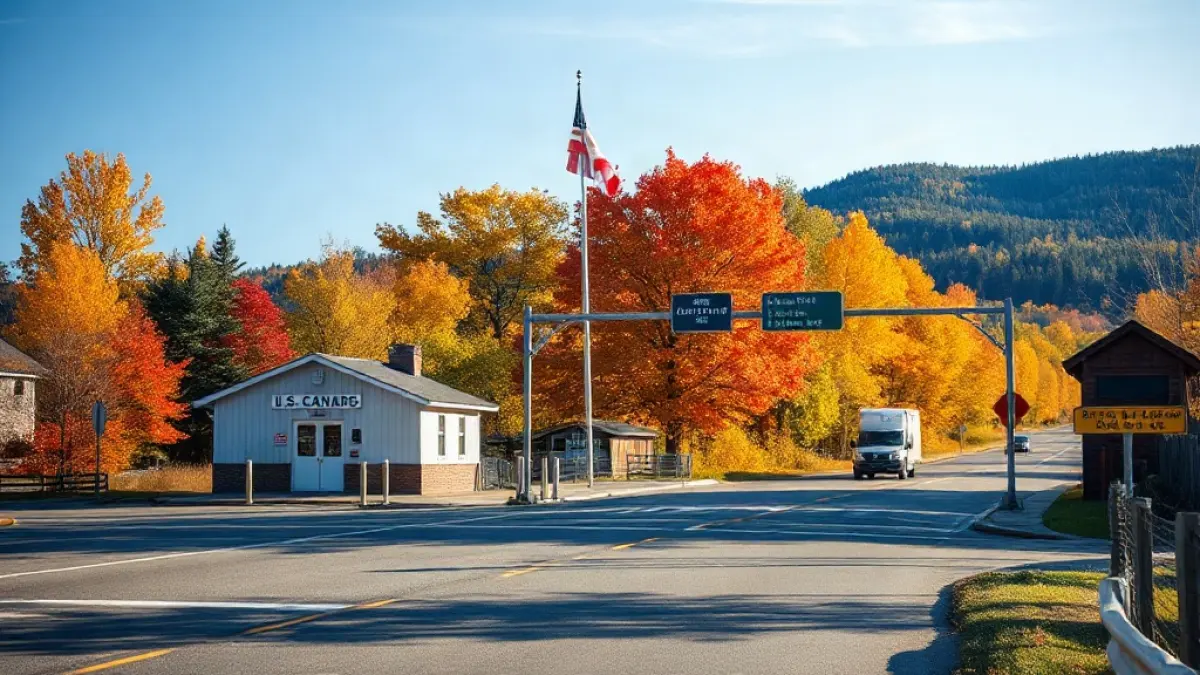
The number of Canadians visiting Vermont fell by roughly 28% in 2025 compared with 2024, according to new figures from the Vermont Agency of Commerce and Community Development. The state's tourism sector still added about $4.1 billion to the economy last year, but that was about $80 million less than in 2024, a decline the study linked in part to cross-border tensions.
Key facts
- About 28% fewer Canadians visited Vermont in 2025 than in 2024
- Visitor spending contributed about $4.1 billion to the state economy in 2025, roughly $80 million below 2024
- Overnight visitors to Vermont decreased 4.4%
- Credit card spending from Canada dropped about 47% in 2025 versus 2024
- Tourism generated about $350 million in local and state taxes and supported about 32,000 Vermont jobs
How far have Canadian visits fallen?
State officials who have been tracking visitor behaviour in recent years report that border crossings between Vermont and Canada are down substantially over the last two years. During the peak summer months of 2025, counts of Canadian visitors returning home from Vermont dropped by more than 30% from the previous year, according to the agency.
A separate state analysis of credit card spending from Canada points to a decline of about 47% in 2025 compared with 2024. In 2026 to date, those numbers have edged back up but remain roughly 38% below the levels recorded before President Donald Trump began his second term.
What is behind the decline?
Vermont Deputy Secretary of Commerce and Community Development Heather Pelham said in an interview that the dip was due in large part to fewer visits from Canada. She added that general economic pressures likely left travellers across the country with less disposable income than the year before.
Economists in Vermont point not only to federal trade policy, including volatile tariffs, but also to Trump's rhetoric toward Canadian leadership. Tom Kavet, an economist who advises the Vermont Legislature, called the White House's approach to Canada a "costly unforced error".
What else did the tourism data show?
Beyond the loss of some international tourists, the number of visitors staying overnight in Vermont fell 4.4%. Lodging is the largest subdivision of the state's tourism economy, generating more than $1 billion annually, which makes that drop particularly costly.
Vermont's interim tourism and marketing commissioner, Sara DeFilippi, said Canada is a primary tourism market but not the only country showing reluctance to visit the United States. Over the last two years, she said, the state has seen fewer visitors from countries including Germany and the Netherlands.
DeFilippi described the slight rebounds in border crossings and credit card spending as small but positive indicators. She said she hopes cultural signals such as this month's electoral rebuke of Trump will help restore Vermont's once-warm relationship with Canada.
Also about:  United States